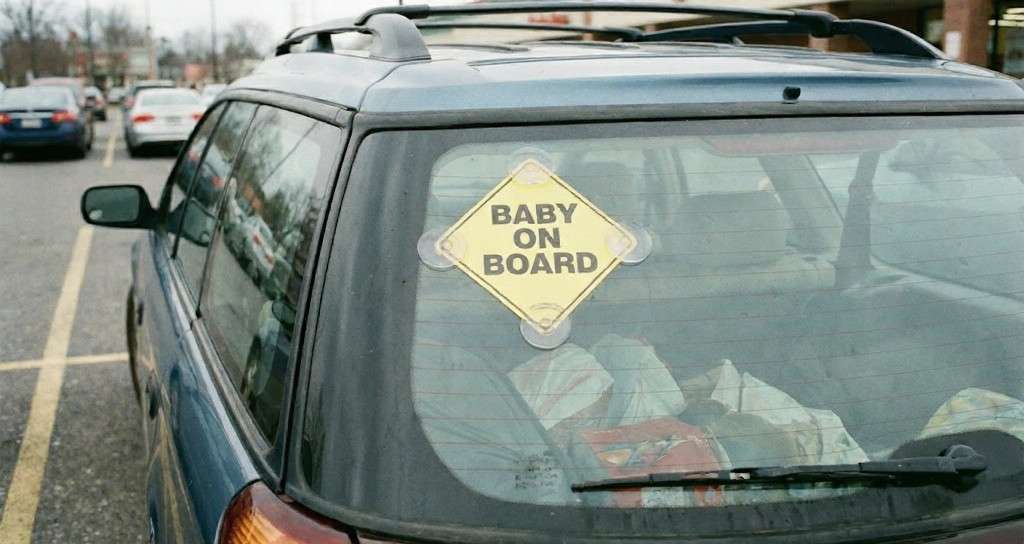
Charged with DUI with child endangerment in Diamond Bar? You are not just fighting a DUI — you are fighting a criminal case that threatens your freedom, your parental rights, your professional license, and your relationship with your children. A DUI with a minor passenger triggers two simultaneous legal battles: a criminal prosecution in the Pomona Superior Court and a parallel investigation by the Los Angeles County Department of Children and Family Services (DCFS). Whether charged under Vehicle Code § 23572 for the sentencing enhancement, Penal Code § 273a for child endangerment, or both, a conviction can mean jail or state prison, mandatory DUI programs, license revocation, formal probation, and a child welfare case that can separate you from your children. These charges carry deep personal, legal, and collateral consequences — which is exactly why you need an experienced DUI with child endangerment defense attorney in Diamond Bar fighting for you from the moment of arrest.
Free Confidential Consultation: (888) 315-3326 | Available 24/7 | Hablamos Español
Diamond Bar is a residential community of approximately 57,000 people at the convergence of the 57 and 60 freeways in eastern Los Angeles County, where families, commuters, and working parents share some of the most heavily patrolled DUI enforcement roads in the state. When law enforcement makes a DUI arrest and discovers a child in the vehicle, the charge escalates immediately — officers document the child’s presence, notify child welfare agencies, and the prosecutor’s office files enhanced charges designed to carry maximum penalties. According to the California Office of Traffic Safety (OTS)[1], thousands of DUI arrests occur annually in Los Angeles County alone, and the presence of a child passenger is treated as an aggravating factor that shapes both the charging decision and the sentencing recommendation.
At Tu Defensor Criminalista, we defend parents, guardians, and caregivers charged with DUI with child endangerment throughout Diamond Bar, the San Gabriel Valley, the Pomona Valley, and all of Los Angeles County. Our criminal defense team understands both the criminal prosecution and the child welfare system — and we work aggressively to protect your freedom and your family simultaneously.
Facing a DUI with child endangerment charge in Diamond Bar and unsure what laws apply to your case? California prosecutes DUI with a minor passenger under two separate legal frameworks that can be charged independently or together, dramatically increasing the penalties and collateral consequences you face.
Vehicle Code § 23572 is a sentencing enhancement — not a standalone crime — that applies when a person is convicted of DUI under Vehicle Code § 23152 or § 23153 and a child under the age of 14 was in the vehicle at the time of the offense. This enhancement does not require any injury to the child. The child’s mere presence in the vehicle while you are alleged to have been driving under the influence triggers mandatory additional jail time stacked on top of any base DUI sentence.
The additional jail time under VC § 23572 is:
These are mandatory minimums — the court has no discretion to waive them. They are added consecutively to whatever base sentence the DUI conviction carries. According to the California Legislative Information portal[2], VC § 23572 was enacted specifically to protect children from the documented risks of riding in vehicles operated by impaired drivers.
Penal Code § 273a is a standalone criminal charge — separate from the DUI itself — that applies when a person willfully causes or permits a child to be placed in a situation where the child’s health or safety is endangered. A DUI with a minor passenger is routinely charged as child endangerment under PC § 273a because driving under the influence with a child in the vehicle is considered conduct that places the child in a dangerous situation.
PC § 273a is a wobbler offense in California:
In many Diamond Bar DUI with child endangerment cases, prosecutors file both VC § 23572 (as an enhancement to the DUI) and PC § 273a (as a separate standalone charge). This means you face: the base DUI sentence, plus the mandatory additional jail under VC § 23572, plus a separate criminal conviction for child endangerment under PC § 273a — each carrying its own penalties, probation terms, and collateral consequences. Understanding the interaction of these charges and building a defense strategy that addresses both is essential.
Accused of DUI with child endangerment in Diamond Bar? The penalties extend far beyond the courtroom. A conviction triggers a cascading series of consequences that affect every major area of your life — your freedom, your family, your finances, your professional future, and your immigration status.
For a first-offense DUI with child passenger under VC § 23572:
For a second or subsequent DUI with child passenger:
California’s penalty assessment multiplier transforms base fines into severe financial obligations. A first DUI carries a base fine of $390–$1,000, but with all state and county penalty assessments applied, the total can reach $4,000–$8,000. Child endangerment charges add additional fines. Mandatory DUI school costs, probation fees, ignition interlock device installation and monitoring, restitution (if any), and court costs mean the total financial impact of a DUI with child endangerment conviction can easily exceed $15,000–$25,000 or more.
The California Department of Motor Vehicles[3] imposes an administrative license suspension independent of criminal court proceedings. A DUI arrest triggers an APS (Administrative Per Se) suspension unless you request a DMV hearing within 10 days of arrest. A conviction adds a court-ordered suspension or revocation on top of the administrative action. Installation of an ignition interlock device (IID) is required before any restricted driving privileges are restored — a device that requires you to blow into a breathalyzer to start your vehicle.
A DUI with child endangerment conviction requires mandatory completion of a California-licensed DUI program. The length of the program depends on your DUI history:
These programs cost money, require regular attendance, and must be completed as a condition of probation and license reinstatement.
DUI with child endangerment probation in Los Angeles County typically includes: 3 to 5 years of informal (summary) probation for misdemeanor charges; formal (supervised) probation for felony charges requiring regular check-ins with a probation officer; random drug and alcohol testing; prohibition on driving with any measurable blood alcohol; mandatory DUI school completion; community service or community labor; and a Mothers Against Drunk Driving (MADD) victim impact panel. Violation of any probation term can result in immediate custody and imposition of additional jail or prison time.
A DUI with child endangerment conviction triggers mandatory reporting to California professional licensing boards. According to the California Department of Consumer Affairs[4], licensees in healthcare, education, law, real estate, contracting, and dozens of other regulated professions face potential disciplinary action — including suspension or revocation of their professional license — upon conviction of a crime involving moral turpitude or directly related to the duties and responsibilities of the profession. Teachers, childcare workers, and healthcare providers face particularly severe consequences when the crime involves child endangerment.
For non-citizen residents of Diamond Bar — a community with a substantial immigrant population according to the U.S. Census Bureau’s American Community Survey[5] — a DUI with child endangerment conviction can trigger devastating immigration consequences. Child endangerment under PC § 273a may be classified as a crime involving moral turpitude or a crime of violence under federal immigration law, potentially triggering deportation proceedings, bars to naturalization, and inadmissibility. Immediate consultation with a criminal defense attorney and an immigration attorney is essential.
One of the most immediate and alarming consequences of a DUI with child endangerment arrest in Diamond Bar is the automatic referral to the Los Angeles County Department of Children and Family Services (DCFS). Law enforcement is required to notify DCFS when a child is present during a DUI arrest. DCFS will open a child welfare investigation, may conduct home visits, require participation in services, and — in serious cases — can petition the Los Angeles County Dependency Court to remove the child from your custody. According to the Los Angeles County Department of Children and Family Services[6], the agency handles hundreds of thousands of referrals annually and takes DUI-related child endangerment referrals seriously as potential indicators of child neglect.
Accused of DUI with a minor passenger in Diamond Bar under VC § 23572? The enhancement requires proof that a child under the age of 14 was present in the vehicle at the time of the alleged DUI offense. This seemingly simple allegation presents several legitimate defense opportunities that an experienced attorney can use to challenge the enhancement and reduce your exposure.
The VC § 23572 enhancement applies only to children under 14 years of age. If the child in the vehicle was 14 or older at the time of the alleged offense, the enhancement does not apply. Birth certificates, school records, and other documentation establishing the child’s age can be critical to defeating this enhancement.
The VC § 23572 enhancement has no independent existence — it attaches only to a DUI conviction under VC § 23152 or § 23153. If the underlying DUI charge is defeated, reduced to a lesser offense, or dismissed, the enhancement falls with it. This is why an aggressive defense of the DUI itself is the most powerful strategy against the minor passenger enhancement.
In some cases, the prosecution’s evidence of the child’s presence in the vehicle at the time of the alleged DUI conduct may be insufficient. Witness testimony, video footage, and documentation of when the child entered or exited the vehicle all bear on this element.
Even where the enhancement cannot be legally defeated, an experienced Diamond Bar DUI defense attorney can negotiate with the Los Angeles County District Attorney’s Office to dismiss or not file the VC § 23572 enhancement as part of a negotiated resolution — particularly in cases involving first-time offenders, where the child was uninjured, and where the driver’s BAC was near the legal limit.
Facing child endangerment charges under PC § 273a alongside your DUI in Diamond Bar? The prosecution must prove that you willfully caused or permitted a child to be placed in a dangerous situation — and in a DUI case, this typically means proving that your impaired driving created a danger to the child. Each element of this charge presents defense opportunities.
Facing a DCFS investigation triggered by a DUI with child endangerment arrest in Diamond Bar? This is one of the most frightening aspects of these charges — the involvement of the child welfare system runs parallel to the criminal case and operates under entirely different rules, timelines, and standards of proof. Understanding both systems and how they interact is critical to protecting both your freedom and your family.
Under California law, law enforcement officers are mandated reporters. When an officer makes a DUI arrest and a child is present in the vehicle, the officer is legally required to file a report with the California Department of Social Services Child Abuse Reporting System and notify DCFS. This happens automatically — regardless of whether the child was injured, regardless of the driver’s BAC, and regardless of the circumstances. According to the California Department of Social Services[7], California’s mandated reporter laws are among the broadest in the country.
After receiving a referral, DCFS assigns a social worker who will: contact you directly (sometimes at your home without advance notice), interview your child separately from you, interview other household members and people who have knowledge of the family, review school records, medical records, and prior DCFS history, and assess whether the child is at risk of future abuse or neglect. The social worker’s findings are documented in a report that determines whether the case is substantiated, inconclusive, or unfounded.
A substantiated finding of child abuse or neglect in a DCFS investigation results in placement of your name on the California Child Abuse and Neglect Reporting Act (CANRA) Child Abuse Central Index (CACI) — a statewide database accessible to law enforcement, licensing boards, and employers in child-related professions. Placement on the CACI can affect your ability to work in childcare, healthcare, education, and other fields that require background checks. You have the right to challenge a CACI listing, and our attorneys assist clients in navigating both the DCFS process and CACI challenges.
In the most serious DUI with child endangerment cases — particularly where blood alcohol was very high, where a collision occurred, or where there is a history of prior DUI or child welfare involvement — DCFS may petition the Los Angeles County Juvenile Dependency Court to declare the child a dependent of the court. Dependency proceedings can result in: removal of the child from your home, placement with relatives or foster care, reunification services and requirements, and permanent termination of parental rights in the most extreme circumstances. The Los Angeles County Superior Court Dependency Division[8] processes thousands of dependency petitions annually.
The criminal case and the DCFS/dependency case are legally separate but practically intertwined. What you say in the criminal case can be used in the dependency case, and vice versa. Your Fifth Amendment right to remain silent applies in both proceedings, but exercising it in the dependency case can have consequences for reunification with your children. Effective representation in DUI with child endangerment cases requires coordinated strategy across both legal systems. Tu Defensor Criminalista works with family law attorneys when necessary to ensure that your defense strategy in the criminal case does not inadvertently harm your position in the dependency case.
Understanding the specific environment in Diamond Bar that leads to DUI with child endangerment charges helps you understand the enforcement landscape you are navigating and the defense strategies most relevant to your case.
Diamond Bar is a family-oriented suburb where many residents commute on the 57 and 60 freeways daily. Parents regularly transport children to school, sports practices, tutoring centers, and family activities — making the presence of child passengers in vehicles common throughout the day and evening. According to Caltrans Traffic Data[9], the 57 and 60 freeways in the Diamond Bar area carry some of the highest daily traffic volumes in the eastern San Gabriel Valley, and the CHP maintains intensive enforcement presence on these corridors around the clock.
DUI with child endangerment arrests in Diamond Bar frequently occur during evening hours and on weekends, when parents may be returning from family gatherings, birthday parties, holiday celebrations, or restaurant dinners where alcohol was served. The proximity of Diamond Bar to Pomona, Brea, Fullerton, and the greater San Gabriel Valley means many Diamond Bar residents travel to and from areas with active restaurant and bar scenes. The California Office of Traffic Safety[1] funds sobriety checkpoint operations throughout Los Angeles County, including corridors serving Diamond Bar, and these checkpoints are specifically designed to catch impaired drivers during peak entertainment hours.
Diamond Bar is served by the Los Angeles County Sheriff’s Department’s Industry Station, with CHP covering the freeway corridors and Pomona Police operating in adjacent areas. This multi-agency environment creates overlapping enforcement presence that increases the likelihood of DUI contacts and means that officers from different agencies — each with their own training, procedures, and documentation practices — may be involved in your case. Identifying procedural inconsistencies across agencies can be a valuable component of your defense.
According to the U.S. Census Bureau[5], Diamond Bar has a significantly diverse population with large Asian-American and Latino communities and a substantial number of foreign-born residents. For immigrant residents, the stakes of a DUI with child endangerment charge are dramatically higher than for citizens — the immigration consequences alone can be life-altering. Our attorneys at Tu Defensor Criminalista are experienced in navigating the intersection of criminal defense and immigration consequences in Los Angeles County.
Arrested for DUI with child endangerment in Diamond Bar and unsure what comes next? Understanding the criminal court process gives you the knowledge to make informed decisions and take the right steps to protect your rights and your family.
At Tu Defensor Criminalista, we understand that a DUI with child endangerment charge is not just a criminal case — it is a threat to your family and everything you have worked to build. Our criminal defense team defends parents, guardians, and caregivers throughout Diamond Bar, the San Gabriel Valley, the Pomona Valley, and all of Los Angeles County against DUI with child endangerment charges at every stage, from arrest through trial.
We defend against:
We serve Diamond Bar and surrounding communities including Walnut, Rowland Heights, Pomona, Chino Hills, West Covina, La Verne, San Dimas, Covina, Azusa, Baldwin Park, Industry, and all of Los Angeles County.
Contact Tu Defensor Criminalista today for an immediate, confidential consultation.
Visit us online:tudefensorcriminalista.com
Do not wait. Do not speak to law enforcement or DCFS investigators without an attorney. Your freedom and your family are at stake. Call our criminal defense team now.
VC § 23572 is a sentencing enhancement that adds mandatory jail time when a child under 14 is present during a DUI — it is not a separate crime. PC § 273a is a standalone criminal charge for child endangerment that can be filed alongside the DUI and carries its own penalties, including up to 6 years in state prison if charged as a felony.
Not automatically. A DCFS investigation will be opened, but removal of a child from the home requires a finding that the child faces immediate risk of serious harm. Most DUI with child endangerment cases result in DCFS monitoring and service requirements rather than immediate removal. However, without experienced legal representation, the risk of escalation increases significantly.
Yes. If PC § 273a is charged as a felony — which the prosecution may do when the circumstances are particularly dangerous — it carries 2, 4, or 6 years in state prison. Additionally, a DUI with child passenger becomes a felony if the DUI itself is felony-level, such as a DUI causing injury (VC § 23153) or a fourth DUI (VC § 23566).
Yes. Both the DUI conviction and the child endangerment conviction become part of your permanent criminal record. A felony child endangerment conviction under PC § 273a(a) cannot be expunged under PC § 1203.4 if state prison time was served. Misdemeanor convictions may be eligible for expungement after successful completion of probation.
DCFS will open an investigation, but removal requires a court order based on a finding of immediate danger. Many families navigate DCFS investigations without removal by cooperating appropriately (while exercising legal rights), engaging in voluntary services, and demonstrating that the child is safe. Legal representation during the DCFS investigation process is strongly recommended.
Yes. For non-citizens, a DUI with child endangerment conviction — particularly a felony child endangerment conviction — can be classified as a crime involving moral turpitude or a crime of violence under federal immigration law, triggering deportation, inadmissibility, and bars to naturalization or adjustment of status. Consult a criminal defense attorney with immigration experience immediately.
The VC § 23572 enhancement applies only to children under 14 years of age. If the child was 14 or older, the enhancement does not apply. However, the prosecution may still file PC § 273a child endangerment charges for passengers under 18, depending on the circumstances.
Immediately — and no later than within 10 days. The 10-day DMV hearing deadline is absolute and cannot be extended. Beyond the DMV deadline, the sooner your attorney begins reviewing evidence, investigating your case, and communicating with DCFS on your behalf, the stronger your defense will be.
Possibly. The absence of injury to the child is a mitigating factor that an experienced attorney can use in negotiating with prosecutors. In appropriate cases — particularly for first-time offenders with low BAC and no accident — dismissal or reduction of the PC § 273a charge is achievable through skilled negotiation.
The California Child Abuse Central Index (CACI) is a statewide database of individuals with substantiated child abuse or neglect findings. Being listed can affect employment in childcare, education, healthcare, and other fields. California law provides a process to challenge a CACI listing through a grievance procedure, and listings can be removed if the underlying finding is successfully challenged.
Remember:
Attorney Armando Josué Cespedes is rated 5.0 on Avvo, with 34 five-star reviews from clients praising his dedication, professionalism, and results. Many note how his trial skills and attention to detail led to reduced charges or outright dismissals.



 English English
 Español de México English English Español de México
Thank you! We need your help. Would you share your experience on one of these sites?
If you have concerns you wish to address privately
