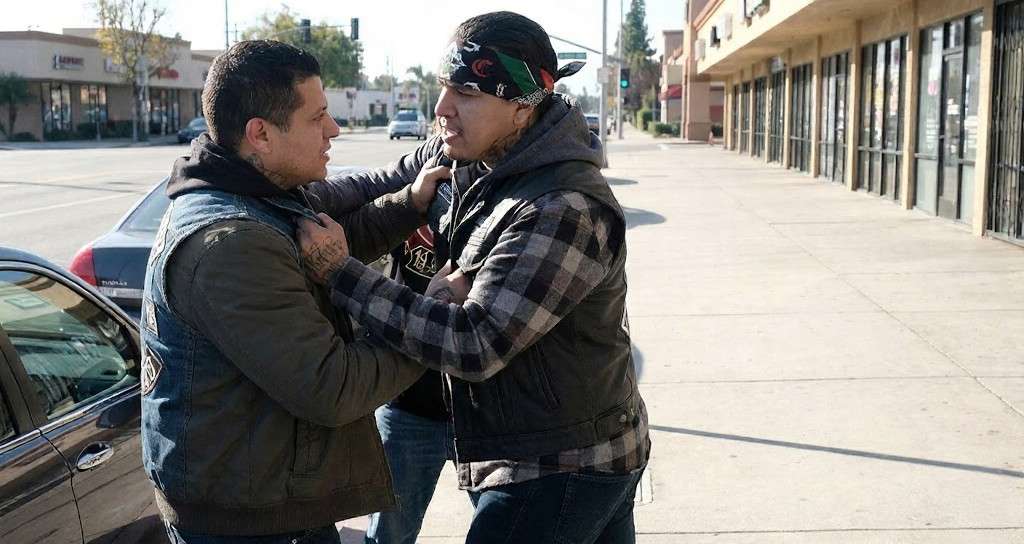
Charged with assault or battery in West Covina? You’re facing criminal convictions ranging from simple battery misdemeanors to aggravated assault felonies with STRIKE allegations, prison sentences, victim restitution orders, and permanent criminal records branding you as violent offender. Whether accused under California Penal Code § 242 for simple battery, PC § 240 for assault, PC § 245(a)(1) for assault with deadly weapon, PC § 243(d) for battery causing serious bodily injury, PC § 417 for brandishing weapon, or PC § 245(a)(4) for assault on peace officer, assault and battery convictions devastate employment prospects, professional licenses, gun rights, immigration status, and future opportunities with collateral consequences extending far beyond criminal penalties.
At Tu Defensor Criminalista, we provide aggressive, strategic defense representation for clients facing assault and battery charges, violent crime allegations, and related offenses throughout West Covina and Los Angeles County. Our criminal defense attorneys understand that assault and battery charges frequently result from mutual combat situations, self-defense scenarios, false accusations, exaggerated injury claims, and bar fights or altercations where facts are disputed and witness accounts conflict. We’ve successfully defended hundreds of clients against assault and battery charges through strategic litigation, witness impeachment, self-defense claims, and comprehensive defense preparation achieving dismissals, acquittals, and charge reductions that protect freedom, reputation, and futures.
West Covina assault and battery arrests occur through various mechanisms including bar fights and altercations at entertainment venues, road rage incidents on Interstate 10 and local streets, domestic violence situations involving family members or intimate partners, mutual combat situations where both parties engaged in fighting, self-defense scenarios where defendants protected themselves from attackers, gang-related violence allegations, school fights involving juveniles, workplace confrontations, and disputes escalating to physical violence. Law enforcement agencies including West Covina Police Department, Los Angeles County Sheriff’s Department, and California Highway Patrol respond to assault calls, often making arrests based on limited investigation, witness statements from biased parties, and mandatory arrest policies that don’t consider self-defense or mutual combat circumstances.
Understanding California’s assault and battery laws, available defenses, degrees of charges, and strategic options is essential when facing violent crime allegations in West Covina. Early intervention by experienced assault and battery defense attorneys can mean the difference between convictions with devastating consequences and case dismissals protecting your freedom, rights, and future.
Free Confidential Consultation: (888) 315-3326 | Available 24/7 | Hablamos Español
California law distinguishes between assault (attempted battery) and battery (completed unlawful touching), with multiple code sections criminalizing various forms of violent conduct carrying penalties from misdemeanor jail time to serious felony prison sentences.
California Penal Code § 240 defines assault as unlawful attempt, coupled with present ability, to commit violent injury upon another person. Assault doesn’t require physical contact or injury—the crime is complete when you attempt to apply force and have ability to carry out the attempt.
To prove PC § 240 violations, prosecutors must establish you did an act that would directly result in application of force to another person, you acted willfully, you were aware of facts that would lead reasonable person to realize your act would directly and probably result in force application, and you had present ability to apply force when you acted.
Penalties for PC § 240: Simple assault constitutes a misdemeanor punishable by up to six months county jail, fines up to $1,000, probation with conditions including anger management classes, and restitution to victims. While classified as misdemeanor, assault convictions create permanent criminal records affecting employment, professional licensing, and background checks.
California Penal Code § 242 defines battery as any willful and unlawful use of force or violence upon another person. Battery requires actual physical contact, distinguishing it from assault which is attempted contact. The force or violence need not cause injury—any unwanted touching constitutes battery.
Prosecutors must prove you touched another person willfully, the touching was harmful or offensive, and you didn’t act in self-defense or defense of others. “Willfully” means you acted intentionally, not that you intended to harm or offend.
Penalties for PC § 242: Simple battery constitutes a misdemeanor punishable by up to six months county jail, fines up to $2,000, probation, anger management or violence prevention programs, and victim restitution. Battery convictions carry crime of moral turpitude designation affecting immigration status and professional licenses.
California Penal Code § 243(d) criminalizes battery causing serious bodily injury, elevating penalties when battery results in substantial injuries. “Serious bodily injury” means serious impairment of physical condition including loss of consciousness, concussion, bone fractures, protracted loss or impairment of function of bodily member or organ, wounds requiring extensive suturing, serious disfigurement, or brain injury.
Penalties for PC § 243(d): Violations constitute misdemeanors or felonies (“wobblers”) punishable by up to one year county jail for misdemeanors or two, three, or four years state prison for felonies. Felony convictions create serious felony records with immigration consequences, gun rights loss, and professional licensing impacts.
California Penal Code § 245(a)(1) criminalizes assault with deadly weapon or instrument, or by means of force likely to produce great bodily injury. This serious felony applies when you assault someone using weapons (guns, knives, baseball bats, bottles, vehicles) or use force likely to cause serious injury even without weapons.
Prosecutors must prove you committed assault as defined in PC § 240, you used deadly weapon or force likely to produce great bodily injury, you acted willfully, and you were aware of facts that would lead reasonable person to realize your act would directly and probably result in force application.
Penalties for PC § 245(a)(1): Violations constitute felonies punishable by two, three, or four years state prison when no firearm used. Firearm use increases penalties to three, six, or nine years state prison. Additional enhancements apply for great bodily injury (PC § 12022.7), gang involvement (PC § 186.22), and prior serious felony convictions. Assault with deadly weapon constitutes STRIKE under California’s Three Strikes Law when great bodily injury results, doubling sentences for subsequent felonies.
California law imposes enhanced penalties for assaults and batteries on peace officers, firefighters, paramedics, and other emergency personnel. PC § 243(b) and PC § 243(c) criminalize battery on peace officers and emergency personnel, while PC § 245(a)(4) and PC § 245(c) criminalize assault on these protected classes.
Penalties: Battery on peace officer under PC § 243(b) or PC § 243(c) constitutes misdemeanors or felonies punishable by up to one year county jail for misdemeanors or 16 months to three years state prison for felonies. Assault on peace officer under PC § 245(a)(4) or PC § 245(c) constitutes felonies punishable by three to five years state prison, with additional enhancements when officers suffer great bodily injury.
California Penal Code § 417 criminalizes drawing or exhibiting deadly weapon or firearm in rude, angry, or threatening manner, or using firearm in fight or quarrel. Brandishing charges frequently accompany assault allegations when defendants displayed weapons during confrontations without actually using them.
Penalties for PC § 417: Brandishing deadly weapon (not firearm) constitutes misdemeanor punishable by up to one year county jail. Brandishing firearm constitutes misdemeanor punishable by three months to one year county jail. Brandishing firearm in presence of peace officer constitutes felony punishable by 16 months to three years state prison.
California Penal Code § 203 and § 205 criminalize mayhem—unlawfully and maliciously depriving person of bodily member, disfiguring, disabling, or rendering useless a member. Mayhem constitutes serious felony punishable by two, four, or eight years state prison, with life sentences possible for aggravated mayhem.
When assault or battery causes great bodily injury (significant or substantial physical injury beyond minor harm), prosecutors add PC § 12022.7 enhancements increasing sentences by three to six years consecutive to underlying offenses. Great bodily injury enhancements constitute STRIKES under Three Strikes Law, creating severe sentencing consequences.
Understanding typical scenarios leading to assault and battery charges helps identify defense opportunities:
Assault and battery arrests frequently result from bar fights, nightclub altercations, and disputes at entertainment venues in West Covina’s commercial districts including East Garvey Avenue corridor, Plaza West Covina area, and other nightlife locations. These incidents often involve alcohol consumption, conflicting witness accounts, mutual combat situations, and self-defense scenarios where facts are disputed.
Defense strategies focus on demonstrating you acted in self-defense, proving mutual combat where alleged victims were aggressors, establishing you attempted to retreat or avoid confrontation, presenting witnesses supporting your version of events, and exposing inconsistencies in prosecution witnesses’ testimony.
Road rage confrontations on Interstate 10, Azusa Avenue, Francisquito Avenue, and other West Covina roadways result in assault charges when disputes escalate to physical violence. These cases often involve conflicting accounts of who initiated confrontations, whether weapons were involved, and whether defendants acted defensively or aggressively.
Defense strategies include obtaining traffic camera footage, dash cam recordings, and witness statements proving you didn’t initiate violence, demonstrating you reasonably feared for safety, establishing you attempted to drive away but were prevented by alleged victims, and proving alleged victims were primary aggressors.
Many assault arrests involve mutual combat where both parties willingly engaged in fighting. California law recognizes mutual combat as defense reducing or eliminating criminal liability when both parties voluntarily agreed to fight. However, police often arrest one party while treating the other as victim, particularly when one party sustains more visible injuries.
Defense strategies emphasize mutual combat, demonstrate alleged victims initiated violence or agreed to fight, prove you weren’t initial aggressor, establish both parties engaged in physical confrontation, and argue prosecution selectively charged you while ignoring alleged victim’s role.
Self-defense constitutes complete defense to assault and battery when you reasonably believed you faced imminent danger, reasonably believed immediate force use was necessary to defend against danger, and used no more force than reasonably necessary. Self-defense applies when protecting yourself or others from harm.
Defense strategies include presenting evidence of threats or aggressive conduct by alleged victims, demonstrating your injuries showing you were attacked, proving alleged victims’ violent histories and reputations, establishing you attempted to retreat before using force, and presenting witnesses who observed alleged victims’ aggression.
Assault and battery accusations sometimes result from false reports motivated by revenge, attempts to gain advantage in other legal proceedings, insurance fraud, or situations where alleged victims exaggerate minor contact into serious assault claims. Defense investigation often reveals motivations to fabricate accusations and evidence contradicting alleged victims’ claims.
Defense strategies focus on exposing false accusation motivations, demonstrating inconsistencies in alleged victims’ statements, proving physical evidence contradicts accusations, establishing alleged victims have credibility problems or histories of false reports, and presenting witnesses contradicting alleged victims’ versions.
Assault and battery charges in domestic relationships may be charged under general assault and battery statutes or domestic violence-specific statutes. These cases involve unique dynamics including mandatory arrest policies, protective orders, custody implications, and allegations that may be false, exaggerated, or result from mutual combat.
Defense strategies mirror domestic violence defenses including exposing false accusations, proving self-defense, demonstrating mutual combat, establishing lack of injury or exaggerated injury claims, and presenting evidence contradicting alleged victims’ accounts.
Assault and battery convictions impose severe direct penalties and catastrophic collateral consequences:
Jail and Prison: Misdemeanor convictions carry up to six months or one year county jail depending on specific charges, while felony assault convictions carry two to nine years state prison (longer with enhancements). Serious felonies like assault with deadly weapon and assault on peace officers carry substantial prison sentences even for first-time offenders.
Fines and Restitution: Courts impose fines ranging from $1,000 to $10,000, plus victim restitution for medical expenses, lost wages, counseling, and other damages often totaling tens of thousands of dollars. Restitution obligations survive bankruptcy and create long-term financial burdens.
Probation: Assault and battery convictions typically result in probation lasting three to five years with restrictive conditions including anger management programs, violence prevention counseling, community service, protective orders, stay-away requirements, search and seizure waivers, drug and alcohol testing, and other intrusive terms.
Serious assault felonies including assault with deadly weapon causing great bodily injury and assault on peace officers constitute STRIKES under California’s Three Strikes Law. STRIKE convictions double sentences for subsequent felonies and can result in 25-years-to-life sentences upon third STRIKE convictions. Single STRIKE convictions eliminate half-time credit, require service of 85% of sentences, and create life-altering sentencing consequences.
Felony assault and battery convictions trigger lifetime firearm prohibitions under California and federal law. Certain misdemeanor violent convictions also result in 10-year gun prohibitions. Convicted individuals must relinquish all firearms, face additional charges for subsequent possession, and permanently lose Second Amendment rights unless successful record relief restores rights.
Assault and battery convictions constitute crimes involving moral turpitude and crimes of violence under federal immigration law, triggering deportation proceedings for non-citizens, inadmissibility determinations preventing reentry, and bars to naturalization. Aggravated felony assault convictions result in mandatory deportation without relief options. Even misdemeanor assault and battery convictions create serious immigration exposure requiring specialized defense addressing both criminal and immigration consequences.
Criminal background checks revealing assault and battery convictions devastate employment prospects in healthcare, education, childcare, law enforcement, security, professional services, and any field requiring background clearances. Employers routinely reject applicants with violent crime convictions due to liability concerns and workplace safety policies.
Professional licensing boards including medical boards, nursing boards, teaching credential commissions, legal bar admissions, and other regulatory agencies may deny, suspend, or revoke licenses based on assault and battery convictions involving moral turpitude or violence. Licensed professionals face career-ending consequences from violent crime convictions.
Assault and battery convictions create civil liability for victims’ damages including medical expenses, lost wages, pain and suffering, and punitive damages potentially totaling hundreds of thousands of dollars. Victims can sue for damages in civil court using criminal convictions as evidence of liability. Restitution orders and civil judgments create lasting financial consequences surviving bankruptcy.
Assault and battery convictions create permanent criminal records appearing in background checks accessible to employers, landlords, licensing boards, educational institutions, and others. Violent crime convictions carry severe social stigma affecting reputation, relationships, community standing, and opportunities throughout life. Even dismissed charges create negative perceptions when arrest records appear online or in databases.
Experienced assault and battery defense attorneys employ comprehensive strategies defending violent crime charges:
California law recognizes rights to use reasonable force defending yourself or others from imminent harm. Self-defense requires proving you reasonably believed you or someone else faced imminent danger of suffering bodily injury or being touched unlawfully, you reasonably believed immediate force use was necessary to defend against danger, and you used no more force than reasonably necessary.
Defense strategies include presenting your injuries showing you were attacked, demonstrating alleged victims’ violent histories and aggressive reputations, proving you attempted to retreat or avoid confrontation before using force, establishing threats or aggressive conduct by alleged victims justified your response, presenting witnesses who observed alleged victims’ aggression, and proving you used minimal force necessary to protect yourself.
Self-defense doesn’t require you to retreat before using force, but evidence of retreat attempts strengthens self-defense claims. You can defend others even if they don’t need defense, so long as you reasonably believed they faced danger.
Mutual combat occurs when both parties willingly engaged in fighting. While mutual combat doesn’t completely excuse criminal liability in California, it can reduce charges, support lesser-included offense convictions, negate specific intent requirements for serious charges, and provide mitigation supporting lenient sentencing.
Defense strategies emphasize alleged victims initiated violence or agreed to fight, both parties engaged in physical confrontation rather than one-sided attack, alleged victims can’t claim victim status when they voluntarily fought, and selective prosecution targeting you while ignoring alleged victims’ conduct is unjust.
Assault and battery convictions require willful conduct—intentional actions. Accidental contact, unintentional touching resulting from stumbling or losing balance, defensive reactions without conscious thought, or involuntary movements don’t constitute criminal assault or battery.
Defense strategies prove contact was accidental rather than intentional, demonstrate you lacked criminal intent, establish circumstances show unintentional conduct, and argue prosecutors cannot prove willfulness beyond reasonable doubt.
Battery causing serious bodily injury charges under PC § 243(d) and great bodily injury enhancements under PC § 12022.7 require proof of substantial injuries. When alleged victims lack serious injuries, have minor injuries inconsistent with claimed violence, or have injuries from other sources, prosecutors cannot prove essential elements.
Defense strategies include obtaining independent medical examinations, presenting medical records showing minor or absent injuries, proving injuries resulted from other causes, demonstrating alleged victims exaggerated injury severity, and establishing reasonable doubt about injury sources or seriousness.
Assault with deadly weapon charges under PC § 245(a)(1) require proof you used deadly weapon or force likely to produce great bodily injury. When objects used weren’t inherently deadly and manner of use didn’t create likelihood of serious injury, prosecutors cannot sustain ADW charges.
Defense strategies challenge whether objects constitute deadly weapons, prove manner of use didn’t create great bodily injury likelihood, demonstrate alleged weapons weren’t used in dangerous manner, and argue prosecutors must reduce charges to simple assault or battery.
Assault and battery prosecutions often rely heavily on alleged victims’ testimony. When alleged victims have motivations to lie, histories of false reports, credibility problems, or provide inconsistent statements, aggressive cross-examination and investigation can defeat charges.
Defense strategies include exposing motivations for false accusations including revenge, custody disputes, or other litigation, demonstrating inconsistencies in alleged victims’ statements over time, proving physical evidence contradicts accusations, establishing alleged victims’ credibility problems through prior inconsistent statements or dishonest conduct, presenting witnesses who contradict alleged victims’ versions, and proving alleged victims fabricated or exaggerated claims.
Prosecutors must prove assault and battery beyond reasonable doubt. When cases rely on conflicting witness accounts, lack independent evidence, involve disputed facts with multiple reasonable interpretations, or present credibility contests between you and alleged victims, experienced attorneys create reasonable doubt preventing convictions.
Defense strategies emphasize lack of independent evidence, present contradictory witnesses, expose inconsistencies in prosecution evidence, demonstrate multiple reasonable interpretations of evidence, and argue prosecutors haven’t met their burden of proof.
Fourth Amendment violations including illegal searches, warrantless arrests without probable cause, and constitutional violations during evidence gathering provide grounds for suppression. Fifth Amendment violations including coerced statements and interrogations without Miranda warnings require statement suppression.
Defense strategies include filing motions to suppress illegally obtained evidence, challenging probable cause for arrests, proving statements were obtained through coercion or without warnings, and demonstrating officers violated constitutional rights requiring remedy through evidence exclusion.
Strategic negotiation can achieve reduced charges from felonies to misdemeanors, dismissal of STRIKE allegations and enhancements, amendments to non-violent offenses, diversion programs for first-time offenders, and resolutions minimizing custody and collateral consequences.
Experienced attorneys leverage case weaknesses, self-defense evidence, credibility problems with alleged victims, and mitigation to negotiate favorable outcomes avoiding convictions and consequences that devastate lives.
Understanding local assault and battery enforcement provides important perspective on these cases.
According to the California Department of Justice Criminal Justice Statistics, Los Angeles County reports thousands of assault-related arrests annually, with violent crime rates varying across different communities and enforcement jurisdictions. Los Angeles County’s large population results in substantial assault and battery prosecutions through the Los Angeles County District Attorney’s Office.
West Covina, located in eastern Los Angeles County’s San Gabriel Valley, experiences assault and battery incidents consistent with urban communities of similar size and demographics. The West Covina Police Department responds to assault calls involving bar fights, domestic disputes, road rage incidents, and other violent confrontations requiring law enforcement intervention.
According to FBI Uniform Crime Reporting data, aggravated assault rates vary significantly across California communities based on demographics, socioeconomic factors, entertainment and nightlife concentrations, and law enforcement practices. National statistics indicate many assault arrests involve alcohol consumption, disputes between acquaintances or family members, and situations where mutual combat or self-defense complicates determinations of criminal liability.
Research from the Bureau of Justice Statistics indicates substantial percentages of violent crime prosecutions result in dismissals or acquittals when defendants have adequate legal representation, evidence supports self-defense claims, or alleged victims have credibility problems. These statistics underscore importance of experienced legal representation in assault and battery cases.
The Los Angeles County District Attorney’s Office prosecutes assault and battery cases ranging from simple battery misdemeanors to serious violent felonies. Prosecution priorities emphasize cases involving serious injuries, weapon use, gang violence, domestic violence, and assaults on peace officers while offering more lenient treatment for first-time offenders charged with simple assault or battery without aggravating factors.
West Covina’s diverse population including substantial Latino, Asian American, and immigrant communities creates unique prosecution dynamics involving language barriers, cultural factors affecting witness cooperation, immigration consequences driving defense concerns, and varying perspectives on violence and conflict resolution.
California Penal Code Section 245(a)(1) assault with deadly weapon prosecutions constitute serious felonies carrying prison sentences and STRIKE allegations requiring aggressive defense.
PC § 245(a)(1) convictions require proof beyond reasonable doubt that you committed assault as defined in PC § 240, you used deadly weapon or force likely to produce great bodily injury, and you acted willfully with awareness of facts that would lead reasonable person to realize your act would result in force application.
Deadly Weapon: Prosecutors must prove objects used constitute deadly weapons—instruments inherently deadly or objects used in manner capable of causing and likely to cause death or great bodily injury. Firearms, knives, and similar weapons are inherently deadly, while everyday objects like bottles, baseball bats, or vehicles become deadly weapons based on usage.
Defense strategies challenge whether objects constitute deadly weapons under circumstances, prove manner of use didn’t create great bodily injury likelihood, and establish alleged weapons weren’t used in dangerous manner requiring ADW charges.
Force Likely to Produce Great Bodily Injury: Even without weapons, assault using force likely to produce great bodily injury supports PC § 245(a)(1) charges. “Force likely to produce great bodily injury” means force likely to cause significant or substantial injury, not minor harm.
Defense strategies prove force used wasn’t likely to cause great bodily injury, demonstrate circumstances show minor force application, establish alleged victims didn’t suffer serious injuries proving force wasn’t likely to cause such harm, and argue prosecutors must reduce charges to simple assault or battery.
When assault with deadly weapon causes great bodily injury, convictions constitute STRIKES under Three Strikes Law. STRIKE allegations trigger 85% minimum service requirements, double sentences for subsequent felonies, and potential 25-to-life sentences upon third STRIKES.
Defense strategies include negotiating dismissal of STRIKE allegations, proving great bodily injury didn’t result, demonstrating medical evidence doesn’t support serious injury findings, pursuing charge reductions eliminating STRIKE status, and litigating Romero motions to strike prior STRIKES when convictions occur.
PC § 245(a)(1) prosecutions involving firearms carry enhanced penalties of three, six, or nine years state prison, with additional enhancements under PC § 12022.5 and PC § 12022.53 for firearm use and discharge. These enhancements create severe sentencing exposure requiring strategic defense addressing both underlying charges and enhancement allegations.
California Penal Code § 243(d) battery causing serious bodily injury prosecutions elevate simple battery to felony status based on injury severity.
“Serious bodily injury” means serious impairment of physical condition including loss of consciousness, concussion, bone fractures, protracted loss or impairment of function of bodily member or organ, wounds requiring extensive suturing, or serious disfigurement. Minor injuries including bruises, scratches, or minor cuts don’t meet serious bodily injury standards.
Defense strategies prove alleged injuries don’t constitute serious bodily injury under legal definitions, demonstrate medical evidence shows minor injuries, establish alleged victims exaggerated injury severity, present independent medical examinations contradicting prosecution injury claims, and argue prosecutors must reduce charges to simple battery under PC § 242.
PC § 243(d) constitutes wobbler chargeable as felony or misdemeanor based on injury severity and circumstances. Defense strategies pursue misdemeanor reductions avoiding felony consequences, negotiate charge amendments to simple battery, demonstrate circumstances don’t warrant felony treatment, and present mitigation supporting lenient charging.
PC § 243(d) felony convictions constitute crimes involving moral turpitude and crimes of violence under immigration law, triggering deportation for non-citizens. Defense strategies for immigrants focus on achieving dismissals, misdemeanor reductions, or alternative dispositions avoiding deportation triggers.
Assault on peace officer charges under PC § 245(a)(4) and PC § 245(c) carry enhanced penalties and serious felony consequences.
Prosecutors must prove you committed assault on peace officer or emergency personnel engaged in performance of duties, you knew or reasonably should have known the person was peace officer performing duties, and other elements of assault.
Defense strategies include proving you didn’t know alleged victims were peace officers, demonstrating officers weren’t engaged in lawful performance of duties, establishing you acted in self-defense against excessive force, proving officers were aggressors or used unlawful force, and challenging whether alleged victims qualify as peace officers under statute.
When peace officers use excessive force, you have rights to defend yourself using reasonable force. Defense strategies expose police misconduct, prove officers used excessive or unlawful force, demonstrate you reasonably defended against police violence, present witnesses corroborating excessive force claims, and challenge officers’ credibility through cross-examination.
Assault on peace officer convictions carry three to five years state prison, with additional great bodily injury enhancements of three to six years when officers suffer serious injuries. These enhanced penalties require aggressive defense preventing convictions or negotiating reduced charges.
Assault is attempted battery—trying to apply force without necessarily making contact. Battery is completed unlawful touching—actual physical contact. You can be charged with assault without touching anyone if you attempted to apply force and had ability to do so. Battery requires actual physical contact, however minor.
Yes, if you reasonably believed you faced imminent danger and used reasonable force to defend yourself. Self-defense applies even if you weren’t injured, so long as you reasonably believed force was necessary. You don’t have duty to retreat in California before using force in self-defense.
If the alleged victim initiated violence and you defended yourself, you have strong self-defense claims. Your attorney will investigate who was the initial aggressor, whether you attempted to retreat or avoid confrontation, what witnesses observed, and whether your force was reasonable and necessary under circumstances.
Not necessarily. First-time simple assault or battery charges often result in probation rather than custody, particularly when you have no criminal history, injuries were minor, and mitigating circumstances exist. However, serious felonies including assault with deadly weapon may result in custody even for first offenders. Experienced attorneys can often negotiate favorable resolutions avoiding jail.
Yes, through various mechanisms including dismissal when prosecutors lack sufficient evidence, reduction to lesser charges through negotiation, diversion programs for first-time offenders, successful self-defense claims, or alleged victims declining to cooperate. Early attorney involvement provides best opportunity for favorable outcomes.
Voluntary intoxication isn’t defense to assault and battery but may affect intent elements for specific intent crimes. Intoxication can provide context for self-defense claims if you reasonably believed you faced danger. However, intoxication often aggravates charges rather than excusing them. Your attorney will evaluate how intoxication affects your specific case.
Absolutely. Even misdemeanor assault and battery convictions carry serious consequences including jail time, permanent criminal records, immigration consequences, professional licensing impacts, and victim restitution. Attorneys can often achieve dismissals, charge reductions, or diversion that unrepresented defendants don’t obtain. The stakes are too high to proceed without representation.
Assault with deadly weapon under PC § 245(a)(1) means assault using inherently deadly weapon like gun or knife, or assault using force likely to produce great bodily injury. Even everyday objects like bottles, baseball bats, or vehicles can constitute deadly weapons depending on how they’re used. ADW is serious felony carrying prison sentences and potential STRIKE allegations.
Yes. Assault is attempted battery—you can be convicted for attempting to apply force even if you didn’t make contact, so long as you had present ability to apply force and acted willfully. Throwing punches that miss, swinging weapons without connecting, or attempting to hit someone all constitute assault.
Remain silent, request an attorney immediately, and don’t explain what happened to police. Don’t consent to searches or provide statements trying to give your side of the story—everything you say will be used against you. Contact an experienced assault and battery defense attorney as soon as possible to protect your rights and begin building your defense.
Remember:
Attorney Armando Josué Cespedes is rated 5.0 on Avvo, with 34 five-star reviews from clients praising his dedication, professionalism, and results. Many note how his trial skills and attention to detail led to reduced charges or outright dismissals.



 English English
 Español de México English English Español de México
Thank you! We need your help. Would you share your experience on one of these sites?
If you have concerns you wish to address privately
