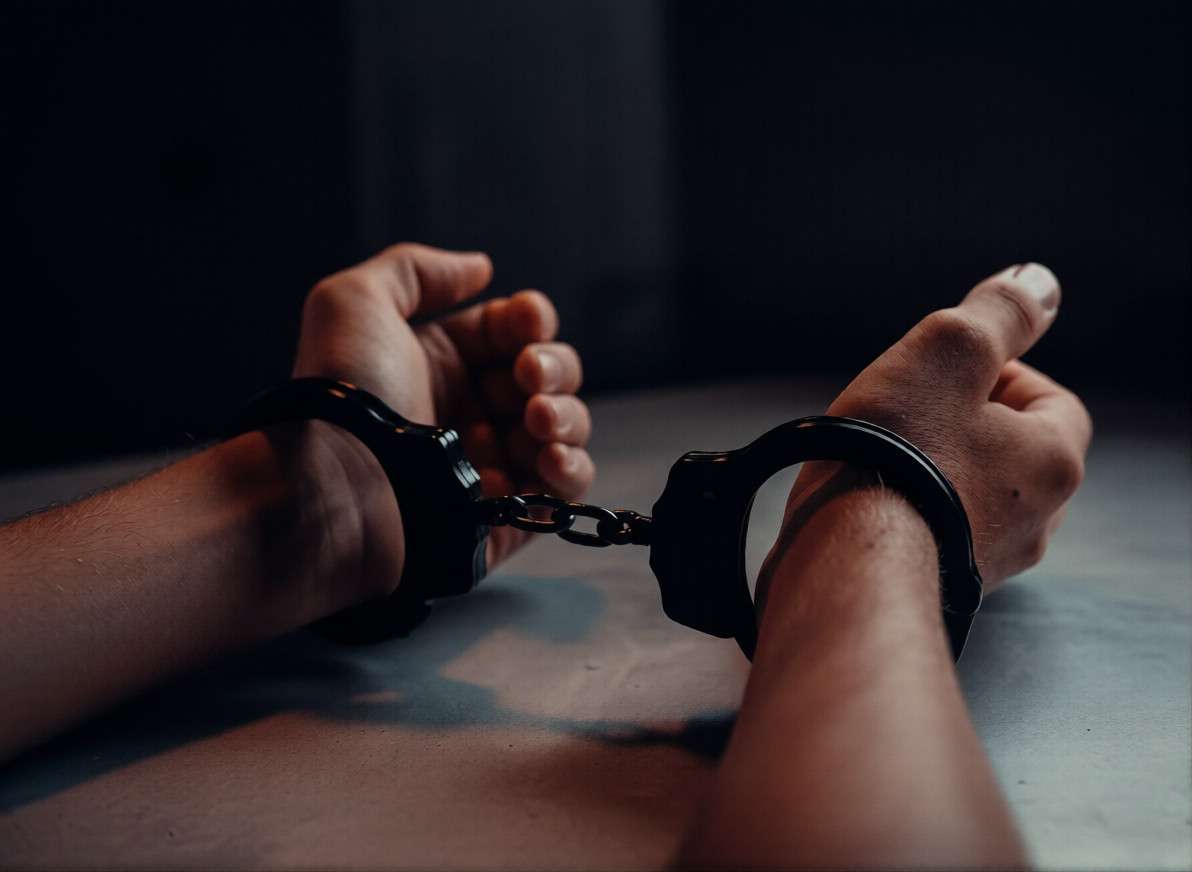
If you’ve been arrested or charged with assault or battery in Santa Clarita, you’re facing serious criminal charges that can result in jail time, heavy fines, a permanent criminal record, and lasting consequences affecting your employment, reputation, and freedom. At Tu Defensor Criminalista, we provide aggressive legal representation to defend against assault and battery charges throughout Santa Clarita and Los Angeles County.
Assault and battery charges arise from a wide range of situations—bar fights, domestic disputes, road rage incidents, self-defense situations, and misunderstandings that escalate into physical confrontations. Many people charged with these offenses are otherwise law-abiding citizens who made a mistake in a heated moment or are falsely accused. We’ve successfully defended countless clients facing assault and battery charges, achieving dismissals, acquittals, reduced charges, and favorable outcomes that protect our clients’ futures.
While people often use “assault and battery” as a single phrase, California law treats them as distinct offenses with different elements and penalties.
According to California Penal Code Section 240[1], assault is defined as an unlawful attempt, coupled with a present ability, to commit a violent injury on another person. Importantly, assault doesn’t require actual physical contact—the attempt and ability to cause injury are sufficient.
Elements prosecutors must prove for assault:
Simple assault is a misdemeanor punishable by up to six months in county jail and fines up to $1,000.
California Penal Code Section 242[1] defines battery as any willful and unlawful use of force or violence upon another person. Unlike assault, battery requires actual physical contact.
Elements prosecutors must prove for battery:
Simple battery is a misdemeanor punishable by up to six months in county jail and fines up to $2,000.
The key distinction is that assault is an attempt to use force, while battery is the actual use of force. You can be charged with assault without touching anyone, and you can commit battery without intending to cause injury. Often, defendants face both charges arising from the same incident—assault for the attempt and battery for the completed act.
Beyond simple assault and battery, California law includes numerous aggravated assault and battery offenses with enhanced penalties.
Assault with a deadly weapon, commonly called ADW, occurs when someone commits assault using a deadly weapon or instrument, or by means likely to produce great bodily injury. According to the California Department of Justice[2], assault with a deadly weapon represents a significant portion of violent crime arrests throughout California.
“Deadly weapons” include:
ADW can be charged as a misdemeanor or felony depending on circumstances including the weapon used, injuries caused, and victim identity. Felony ADW carries:
Aggravated battery involves causing serious bodily injury to another person. “Serious bodily injury” means significant or substantial physical injury beyond minor harm.
This felony offense carries:
When battery results in serious bodily injury—defined as serious impairment of physical condition including bone fractures, concussions, wounds requiring extensive suturing, or serious disfigurement—charges are enhanced to aggravated battery with felony penalties.
Assaulting police officers, firefighters, paramedics, or other peace officers performing their duties is a more serious offense. According to the Los Angeles County Sheriff’s Department[3], which provides law enforcement services to Santa Clarita, assaults on deputies are prosecuted aggressively.
Penalties include:
Battery against a spouse, cohabitant, dating partner, or parent of your child is charged as domestic battery with enhanced penalties and consequences including:
The California Department of Justice[4] reports that domestic violence arrests and prosecutions remain priorities throughout California law enforcement agencies.
Touching the intimate parts of another person against their will for sexual gratification, arousal, or abuse constitutes sexual battery. This offense can be charged as a misdemeanor or felony depending on circumstances, with felony convictions requiring sex offender registration.
Battery against victims 65 years or older constitutes elder abuse with enhanced penalties reflecting California’s commitment to protecting senior citizens. Santa Clarita has a significant senior population according to the U.S. Census Bureau[5], making elder abuse prosecutions common.
Santa Clarita, with a population exceeding 228,000 residents, experiences assault and battery incidents in various contexts and locations throughout the city.
The Los Angeles County Sheriff’s Department[3] Santa Clarita Valley Sheriff’s Station responds to assault and battery calls throughout the area including:
When deputies respond to assault and battery calls, they:
California’s mandatory arrest laws for domestic violence require deputies to arrest someone when probable cause exists that domestic violence occurred, even with minimal evidence or conflicting stories.
Assault and battery convictions carry both direct penalties and collateral consequences that affect many aspects of your life.
Simple Assault (Misdemeanor)
Simple Battery (Misdemeanor)
Aggravated Assault/Battery (Felony)
Beyond direct criminal penalties, assault and battery convictions create lasting collateral consequences:
Assault and battery charges can be defended using various legal strategies depending on your case’s specific facts. At Tu Defensor Criminalista, we thoroughly investigate every aspect of your arrest to identify the strongest defenses.
Self-defense is the most common defense to assault and battery charges. California law allows you to use reasonable force to defend yourself from imminent harm. To establish self-defense, you must show:
Self-defense applies even if you were mistaken about the danger, as long as your belief was reasonable. You’re not required to retreat before using force in self-defense.
Similar to self-defense, you can use reasonable force to defend another person from imminent harm. This defense applies when protecting family members, friends, or even strangers from attacks.
Assault and battery require willful conduct—intentional acts. If physical contact was accidental or unintentional, you should not be convicted. Examples include:
Unfortunately, false allegations of assault and battery are common, motivated by:
We investigate thoroughly to identify false accusers’ motives, gather evidence contradicting their claims, and present compelling evidence of innocence.
For assault charges, prosecutors must prove you had the present ability to inflict injury. If you couldn’t actually have caused injury—for example, if you were too far away, physically restrained, or the “weapon” was fake—assault charges should be dismissed.
Prosecutors bear the burden of proving every element of assault or battery beyond a reasonable doubt. If evidence is insufficient, contradictory, or unreliable, charges should be dismissed. Common evidentiary weaknesses include:
In limited circumstances, consent can be a defense to battery. If the alleged victim consented to the contact—such as in sporting events or consensual mutual combat—battery charges may not apply. However, consent is limited to the scope agreed upon and doesn’t extend to excessive force.
If law enforcement violated your constitutional rights during investigation or arrest, evidence obtained illegally can be suppressed. Violations include:
Suppressing critical evidence often results in case dismissal or favorable plea agreements.
When both parties willingly engage in a fight—mutual combat—California law sometimes provides defenses or reduces culpability. If video or witness testimony shows both parties agreeing to fight rather than one party attacking another, charges may be reduced or dismissed.
While California limits the use of force in defense of property, you can use reasonable force to protect your property from being taken or damaged. However, the force must be proportional to the threat, and you cannot use deadly force solely to protect property.
Understanding what happens after an arrest helps you navigate this challenging process and make informed decisions.
Following arrest for assault or battery, you’ll be transported to the Santa Clarita Valley Sheriff’s Station for booking, which includes:
For misdemeanor assault and battery, bail is typically $20,000 to $50,000. For felony charges, bail can range from $30,000 to $100,000 or more depending on circumstances.
You have several options for release from custody:
We can file motions for bail reduction or OR release, presenting evidence that you’re not a flight risk or danger to the community.
Your first court appearance, the arraignment, typically occurs within 48 hours of arrest (excluding weekends and holidays). At arraignment:
We strongly recommend having an attorney at arraignment to enter not guilty pleas, negotiate bail, and begin building your defense immediately.
Following arraignment, your case enters the pretrial phase including:
If your case proceeds to trial, you can choose between a jury trial (12 jurors for felonies, 6 or 12 for misdemeanors) or court trial (judge alone). Trials involve:
We provide aggressive trial representation, cross-examining prosecution witnesses, challenging evidence, and presenting compelling defenses to juries.
If convictions occur through plea agreements or trial verdicts, sentencing proceedings determine punishment. We present mitigation evidence including:
Our advocacy at sentencing seeks minimal penalties, alternatives to incarceration, and protection of your future opportunities.
Not all assault and battery cases result in convictions. Various diversion programs and alternative resolutions allow defendants to avoid permanent criminal records.
For defendants with minimal criminal histories, prosecutors may offer pretrial diversion. If you complete requirements including classes, counseling, community service, and restitution, charges are dismissed. You can then petition to seal your arrest record.
Some assault cases qualify for deferred entry of judgment where you plead guilty but judgment is deferred while you complete probation conditions. Upon successful completion, guilty pleas are withdrawn and cases dismissed.
California Penal Code Section 1001.36 provides mental health diversion for defendants with qualifying mental health conditions. If mental health issues contributed to your offense, you may receive treatment instead of prosecution, with charges dismissed upon successful completion.
According to the California Courts[8], mental health diversion recognizes that treatment is often more effective than incarceration for defendants with mental health conditions.
Completing anger management programs, counseling, or therapy before case resolution demonstrates responsibility and rehabilitation. We help clients enroll in appropriate programs and present completion certificates to prosecutors and judges, supporting arguments for dismissal or reduced charges.
When complete dismissal isn’t achievable, we negotiate for reduced charges with lesser consequences. For example:
Reduced charges result in lower penalties, less severe criminal records, and reduced collateral consequences.
Assault and battery charges arising from domestic relationships carry unique complications and consequences.
Domestic violence convictions require:
At arraignment in domestic violence cases, judges typically issue protective orders requiring you to:
Violating protective orders results in additional criminal charges and custody. According to California Courts[9], protective orders are civil orders designed to prevent future violence and harassment.
California Family Code creates rebuttable presumptions against awarding custody to parents convicted of domestic violence. Even arrests without convictions can be used against you in custody proceedings. Protecting against convictions is critical for maintaining relationships with your children.
For non-citizens, domestic violence convictions constitute deportable offenses under federal immigration law. Even misdemeanor convictions can trigger removal proceedings. We coordinate with immigration attorneys to develop strategies protecting immigration status while defending criminal charges.
Understanding the prevalence of assault and battery charges provides context for these common offenses.
According to the California Department of Justice[2] crime statistics, Los Angeles County reports thousands of aggravated assault arrests annually. While Santa Clarita maintains lower violent crime rates than many Los Angeles County communities, assault and battery incidents still occur regularly throughout the city.
The Los Angeles County Sheriff’s Department[3] prioritizes response to violent crimes including assault and battery, particularly domestic violence cases. Sheriff’s deputies assigned to Santa Clarita receive specialized training in domestic violence response, evidence collection, and victim assistance.
Many people arrested for assault or battery consider handling cases themselves or minimizing the seriousness of charges. This is almost always a mistake. Assault and battery convictions create permanent criminal records with serious, lasting consequences.
At Tu Defensor Criminalista, our assault and battery defense services include:
Altercations in bars often involve alcohol, mutual combat, unclear aggression, and conflicting witness accounts. We investigate to identify who started the fight, whether you acted in self-defense, and whether mutual combat defenses apply. Security video footage often provides critical evidence supporting defenses.
Road rage cases frequently involve competing accounts of who was the aggressor. Dash camera footage, traffic camera footage, and witness testimony help establish what actually occurred. We investigate thoroughly to present evidence that you were defending yourself or that the alleged victim was the aggressor.
Assault charges involving students or occurring on school property carry additional consequences including school discipline, expulsion, and impacts on college admissions. We work to minimize both criminal and educational consequences.
Altercations during sporting events or recreational activities sometimes constitute mutual combat or occur within the scope of consent to physical contact inherent in sports. We present evidence of the sporting context and consent to physical contact.
Assault or battery at work can result in both criminal charges and employment termination. We coordinate defense of criminal charges with employment matters, seeking resolutions that protect both liberty and livelihood.
Yes. Simple assault requires no physical contact or injury—only an attempt with the present ability to cause injury. Simple battery requires only offensive touching, not injury. Lack of injury helps in defense and mitigation but doesn’t prevent charges.
Self-defense is a complete defense to assault and battery. If you reasonably believed you were in imminent danger and used reasonable force to defend yourself, you should not be convicted. We investigate thoroughly to establish self-defense claims.
Not automatically. While alleged victims’ wishes factor into prosecutors’ decisions, prosecutors can proceed even when victims don’t want prosecution. This is especially common in domestic violence cases. However, uncooperative victims make prosecution more difficult, sometimes resulting in dismissals.
Video evidence can help or hurt depending on what it shows. We obtain and analyze all video footage to determine whether it supports defenses or can be challenged. Sometimes video shows self-defense, mutual combat, or contradicts prosecution witnesses.
Cases typically take several months to over a year from arrest to final resolution. Simple misdemeanors may resolve more quickly, while serious felonies or cases going to trial take longer. We work efficiently while ensuring thorough preparation.
Not necessarily. Many first-time misdemeanor assault defendants receive probation without jail time. Diversion programs, charge reductions, or dismissals are also possible. However, serious injuries, weapons, or victim characteristics can result in jail even for first-time offenders.
California allows expungement of most misdemeanor and some felony assault and battery convictions after completing probation or sentences successfully. Expungement doesn’t erase convictions but changes records to show dismissals, helping with employment and housing.
Contact an experienced defense attorney immediately. Don’t contact the accuser, don’t make statements to police without an attorney present, and preserve evidence supporting your innocence. We investigate thoroughly to expose false allegations and present compelling evidence of innocence.
If you’ve been arrested or charged with assault or battery in Santa Clarita, time is critical. Early intervention by experienced legal counsel can mean the difference between dismissal and conviction, between protecting your future and suffering lasting consequences.
At Tu Defensor Criminalista, we provide aggressive legal representation for assault and battery cases throughout Santa Clarita and Los Angeles County. We understand the serious nature of these charges and fight tirelessly to protect your rights, freedom, and future.
Don’t let assault or battery charges destroy your future. Contact us today for a confidential consultation to discuss your case, explore your options, and begin building your defense.
The earlier you retain legal counsel, the better your chances of favorable outcomes. Early representation allows us to:
Many of our best outcomes result from early intervention before prosecutors have solidified their cases and charging decisions.
At Tu Defensor Criminalista, we are committed to:
While our focus is Santa Clarita, we serve clients throughout the Santa Clarita Valley and northern Los Angeles County including:
We understand the local courts, judges, prosecutors, law enforcement agencies, and legal landscape of the Santa Clarita area. This local knowledge combines with our specialized experience in assault and battery defense to provide comprehensive, effective representation.
An assault or battery charge doesn’t have to define your future. With experienced legal representation, many individuals facing these charges achieve outcomes that protect their freedom, their records, and their futures.
The path forward begins with a single step: contacting experienced legal counsel to discuss your case confidentially, understand your options, and begin building your defense.
Contact Tu Defensor Criminalista today at (888) 315-3326[10]. We’re available 24/7 to provide the immediate assistance you need.
Don’t face assault or battery charges alone. Don’t make statements to police without an attorney present. Don’t assume that charges automatically result in convictions.
Your future is worth fighting for. Let us fight for you.
Throughout this content, we have referenced statistics, facts, and information from authoritative sources to provide accurate, reliable information about assault and battery laws, enforcement, and criminal justice in Santa Clarita and California.
Below is a complete list of sources cited in this content:
Attorney Armando Josué Cespedes is rated 5.0 on Avvo, with 34 five-star reviews from clients praising his dedication, professionalism, and results. Many note how his trial skills and attention to detail led to reduced charges or outright dismissals.



 English English
 Español de México English English Español de México
Thank you! We need your help. Would you share your experience on one of these sites?
If you have concerns you wish to address privately
