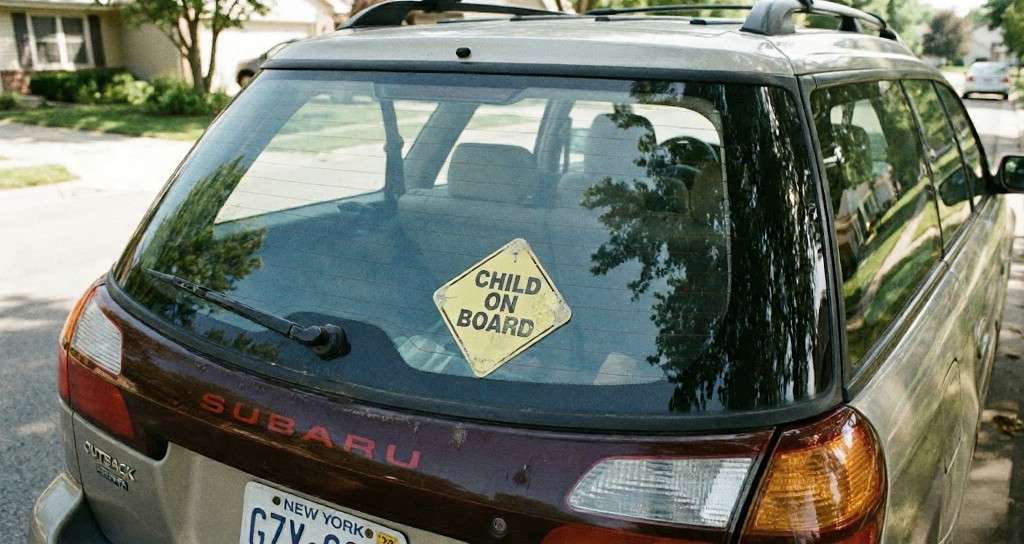
Arrested for DUI with a child passenger in West Covina? You’re facing enhanced criminal penalties including mandatory minimum jail sentences, extended license suspensions, Child Protective Services investigations, potential loss of custody or visitation rights, and felony charges that permanently brand you as someone who endangered children. Whether stopped on Garvey Avenue, Interstate 10, Azusa Avenue, or anywhere in West Covina’s jurisdiction, DUI child endangerment charges under California Vehicle Code Section 23572 carry life-altering consequences that extend far beyond standard DUI penalties—threatening your parental rights, professional licenses, immigration status, and freedom.
The stakes couldn’t be higher when children are involved in DUI allegations. West Covina prosecutors and Los Angeles County District Attorney’s Office aggressively pursue these cases with zero tolerance policies, mandatory sentencing enhancements, and coordinated efforts with Department of Children and Family Services. You need immediate, specialized legal defense that understands both the criminal charges and family law implications threatening everything you’ve built.
When law enforcement arrests you for DUI with a child under 14 years old in your vehicle, you’re not just facing standard DUI charges—you’re confronting sentence enhancements, child welfare investigations, and potential felony prosecution that can result in state prison sentences. West Covina Police Department, California Highway Patrol, and Los Angeles County Sheriff’s deputies operating in the area treat these cases as serious public safety threats, often conducting immediate vehicle impounds, mandatory blood draws, and notifications to Child Protective Services before you’re even booked at West Covina Police Department or Industry Station.
The consequences cascade quickly: DUI conviction, enhanced sentencing under VC 23572, CPS investigation, possible removal of children from your home, family court proceedings, professional license discipline, immigration consequences for non-citizens, and permanent criminal records accessible to employers, landlords, and licensing boards. Whether you’re a single parent, professional, first-time offender, or someone with prior record, DUI child endangerment charges in West Covina demand immediate action from experienced defense counsel who understands the intersection of criminal law, family law, and administrative proceedings.
California Vehicle Code Section 23572 mandates enhanced punishment when any person transports a child under 14 years of age while driving under the influence. The enhancement adds mandatory jail time to any DUI conviction: 48 consecutive hours for first offense, 10 days for second offense, 30 days for third offense, and 90 days for fourth or subsequent offense—all mandatory minimum sentences that judges cannot reduce or suspend. These enhancements apply whether the child is your own, a relative, friend’s child, or stranger, and regardless of whether the child was properly restrained or suffered any injury.
Free Confidential Consultation: (888) 315-3326 | Available 24/7 | Hablamos Español
California law treats DUI with child passengers as aggravated offense requiring enhanced punishment beyond standard DUI penalties. The enhancement applies automatically when prosecutors prove three elements: (1) you drove a vehicle, (2) while under the influence of alcohol, drugs, or combination thereof, (3) with a child under 14 years old as passenger. Prosecutors need not prove you intended to endanger the child, that the child was actually harmed, or that your driving was particularly reckless—merely having the child present during DUI is sufficient.
West Covina cases typically begin with traffic stops on major corridors including Interstate 10, Garvey Avenue, Azusa Avenue, Francisquito Avenue, Cameron Avenue, or residential streets throughout the city’s 16.1 square miles. Officers cite common violations: weaving within lane, speeding, running stop signs at intersections near West Covina High School or South Hills High School, equipment violations, or checkpoint stops at DUI saturation patrols frequently conducted on weekend evenings near the Eastland Center area or along Valley Boulevard.
Once stopped, officers observe “objective signs of intoxication”: odor of alcohol, bloodshot/watery eyes, slurred speech, fumbling with license and registration, admission of alcohol consumption. When officers notice child passengers—whether through direct observation, child restraint systems, children’s belongings, or your statements—the investigation intensifies. Officers separate you from children, question you about relationship to child, drinking timeline, childcare arrangements, and often contact other parent or Child Protective Services before arrest.
Field sobriety tests on West Covina streets present challenges: uneven pavement, poor lighting, traffic noise, weather conditions, footwear issues, physical limitations, and officer subjective scoring. Horizontal Gaze Nystagmus (HGN), Walk-and-Turn, and One-Leg Stand tests produce “clues” that officers interpret as impairment, though medical conditions, fatigue, anxiety, and non-alcohol factors cause identical symptoms. Preliminary Alcohol Screening (PAS) breath tests—optional for drivers over 21 absent probation—provide unreliable readings affected by mouth alcohol, GERD, diabetes, equipment calibration, and officer administration errors.
Arrest triggers multiple consequences: booking at West Covina Police Department or Industry Station, chemical test (breath or blood), vehicle impound, notification to child’s other parent or emergency contact, potential CPS notification, and DMV administrative action. Blood tests at local hospitals including Emanate Health Queen of the Valley Hospital or California Hospital Medical Center occur when you refuse breath testing, appear too intoxicated for breath sample, or officers suspect drug influence. Blood samples preserved for independent testing provide critical defense evidence often revealing testing errors, contamination, fermentation, or results below statutory limits.
DUI child endangerment convictions carry layered penalties that compound standard DUI consequences, creating cascading effects on your liberty, finances, family relationships, and future opportunities. Understanding complete exposure helps you make informed decisions about defense strategy, plea negotiations, and trial preparation.
First-offense DUI typically results in misdemeanor conviction with probation, fines, alcohol program, and possible jail time. Adding VC 23572 child endangerment enhancement mandates 48 consecutive hours county jail that cannot be suspended, substituted, or avoided—you serve actual custody. Second offense: 10 mandatory days. Third offense: 30 mandatory days. Fourth offense: 90 mandatory days. These minimums apply regardless of BAC level, prior record, or mitigating circumstances, and judges cannot grant probation without serving the mandatory custody.
According to California Department of Justice statistics[1], Los Angeles County prosecutes thousands of DUI cases annually, with enhanced charges involving children resulting in conviction rates exceeding 85% when defendants lack experienced legal representation. National Highway Traffic Safety Administration research[2] indicates that over 1,100 children were killed in alcohol-impaired driving crashes nationally in 2022, driving aggressive prosecution policies in jurisdictions like West Covina.
DMV administrative action runs parallel to criminal case. First-offense DUI triggers four-month suspension (administrative per se) or six-month suspension following conviction, with restricted license potentially available after 30-day hard suspension. However, child endangerment convictions may result in enhanced DMV sanctions, extended suspension periods, and stricter ignition interlock device (IID) requirements under California’s IID pilot program expanded statewide.
Child Protective Services Investigations: DUI child endangerment arrests trigger mandatory reporting to Los Angeles County Department of Children and Family Services. Social workers investigate your home, interview family members, assess child safety, review criminal history, and may petition juvenile court for protective orders removing children from your custody. Even unfounded allegations create permanent CPS records accessible in future investigations, employment background checks for positions involving children, and family court proceedings.
Criminal convictions become evidence in custody and visitation proceedings. Other parent may seek emergency orders restricting your parenting time, supervised visitation requirements, or complete custody modification based on “endangerment” findings. Family court judges consider DUI child endangerment convictions as substantial evidence of poor judgment, substance abuse, and risk to children’s welfare, potentially reducing or eliminating your custody rights even if criminal court imposes lenient sentence.
Professional License Discipline: Healthcare providers, teachers, childcare workers, commercial drivers, attorneys, and other licensed professionals face discipline from California licensing boards including Medical Board, Board of Registered Nursing, Commission on Teacher Credentialing, and State Bar. Licensing agencies impose probation, suspension, or revocation based on criminal convictions involving children, regardless of whether offense was job-related. Commercial driver’s license (CDL) holders face federal disqualification for DUI convictions, ending trucking and transportation careers.
Non-citizens including lawful permanent residents face severe immigration consequences. While DUI alone typically doesn’t trigger deportation, child endangerment elements may constitute “crime involving moral turpitude” or “crime of child abuse” making you removable, inadmissible, or ineligible for naturalization. U.S. Citizenship and Immigration Services, Immigration and Customs Enforcement, and immigration judges consider convictions involving children as particularly serious, potentially resulting in detention, removal proceedings, and lifetime bars to reentry.
Financial Impact: Criminal penalties include base fines ($390-$1,000), penalty assessments (multiplying base fine 4-5 times), DUI program costs ($500-$2,500 depending on program length), license reissue fees, increased insurance premiums (averaging 50-100% increases for 3-10 years), ignition interlock device costs ($2.50-$3.50 daily), attorney fees, lost wages from custody, and potential civil liability if child or other parties claim damages.
Employment and Housing Barriers: Criminal records appear on background checks conducted by employers, landlords, and professional organizations. Positions involving children, driving, or professional licenses become unavailable. Many West Covina employers including educational institutions, healthcare facilities, and financial services companies conduct criminal background checks disqualifying applicants with DUI child endangerment convictions. Housing applications to rental properties throughout San Gabriel Valley and Los Angeles County may be denied based on criminal history.
Effective defense requires attacking every element of prosecution case while protecting your rights through parallel DMV proceedings, CPS investigations, and family court matters. Multiple defense strategies exist depending on specific facts, evidence, and circumstances.
Challenging the Traffic Stop: Fourth Amendment prohibits unreasonable searches and seizures. Officers must have reasonable suspicion of traffic violation or criminal activity to justify initial stop. Common defense: officer lacked reasonable suspicion, conducted pretextual stop, or extended detention beyond scope of initial justification. Successful suppression motions exclude all evidence obtained after illegal stop, resulting in case dismissal.
West Covina stops near Interstate 10 onramps, late-night residential areas, or checkpoint locations require scrutiny. Officers often cite “weaving within lane” or “failure to signal” as justification, though video evidence frequently contradicts these claims. Dashboard cameras, body-worn cameras, and independent witnesses provide evidence challenging officer credibility and stop legality.
Standardized Field Sobriety Tests (SFSTs) produce unreliable results affected by non-alcohol factors. HGN test validity depends on proper administration: correct stimulus positioning, timing, and observation angle. Officers frequently deviate from National Highway Traffic Safety Administration protocols, invalidating results. Walk-and-Turn and One-Leg Stand tests require smooth, level surfaces and specific instructions—conditions rarely present on West Covina streets at night.
Medical conditions, physical limitations, age, weight, footwear, weather, lighting, traffic, and anxiety produce identical “clues” that officers misinterpret as impairment. Video evidence often shows proper performance that officers scored as failure. Expert testimony from DUI defense experts, toxicologists, and medical professionals challenges test reliability and officer training.
Breath and blood testing procedures require strict compliance with California Code of Regulations Title 17. Breath machines (typically Draeger Alcotest 9510 or similar devices) require proper calibration, maintenance, and operator certification. Mouth alcohol from GERD, dental work, or recent consumption causes falsely elevated readings. Radio frequency interference, temperature variations, and ambient alcohol contamination affect accuracy.
Blood testing faces challenges including chain of custody, preservative and anticoagulant levels, fermentation, contamination, laboratory error, and testing delays. Independent laboratory retesting often reveals results different from prosecution testing, creating reasonable doubt. Experts analyze blood vials for proper collection, storage, and handling, frequently finding violations requiring evidence suppression.
Prosecution must prove you drove under the influence—meaning alcohol or drugs affected your nervous system, brain, and muscles impairing ability to drive with caution and prudence of sober person under similar circumstances. BAC level alone doesn’t prove impairment, particularly for experienced drinkers with tolerance, people with medical conditions affecting alcohol metabolism, or cases where BAC at time of driving was below legal limit though later testing showed elevated levels.
Rising blood alcohol defense applies when you consumed alcohol shortly before driving but BAC hadn’t peaked during actual driving. Alcohol requires 30 minutes to 3 hours for complete absorption. Testing occurring 1-2 hours after driving may show BAC above 0.08% though you drove with lower BAC. Expert testimony establishing drinking timeline, absorption rates, and retrograde extrapolation creates reasonable doubt.
Prosecution must prove child under 14 years old was passenger during DUI. Defense may challenge: child’s actual age (requiring birth certificate or reliable documentation), whether child was actually in vehicle (particularly in cases where child entered vehicle after stop), or whether you were actual driver (in cases where multiple adults were present).
Necessity and Duress Defenses: Limited circumstances justify driving under influence: you reasonably believed you or child faced immediate threat of great bodily injury requiring emergency driving, you had no reasonable alternative, you drove only as far as necessary to address emergency, and emergency wasn’t created by your intoxication. Medical emergencies involving child passenger sometimes support necessity defense, though prosecution aggressively contests these claims requiring compelling evidence.
Miranda Violations and Involuntary Statements: Officers must provide Miranda warnings before custodial interrogation. Statements made after arrest without proper warnings get suppressed. Many West Covina DUI arrests involve officer questions about drinking, timing, quantity, and childcare without Miranda warnings, creating suppression grounds. Additionally, statements made during medical treatment, extreme intoxication, or coercive circumstances may be involuntary and inadmissible.
Challenging CPS Involvement: Parallel CPS investigation requires separate defense strategy. Social workers often overreach, conducting searches without warrants, interviewing children without parental consent, and seeking removal orders without sufficient evidence. Constitutional protections limit CPS authority. Experienced defense counsel coordinates criminal defense with family law representation protecting your parental rights throughout investigation and potential juvenile court proceedings.
DUI child endangerment cases in West Covina proceed through Los Angeles County Superior Court system, typically at Pomona Courthouse located at 400 Civic Center Plaza, Pomona, CA 91766, though some cases may be assigned to nearby courthouses based on filing decisions and calendar availability.
Arraignment: First court appearance occurs within 48 hours of arrest if in custody, or via mailed notice if released. Prosecution files criminal complaint charging Vehicle Code violations: VC 23152(a) driving under the influence of alcohol, VC 23152(b) driving with BAC 0.08% or higher, and VC 23572 child endangerment enhancement. Arraignment involves: advisement of charges and constitutional rights, entry of plea (typically not guilty), release conditions, and setting of future court dates. Never appear at arraignment without attorney consultation—early intervention affects bail, release conditions, and discovery access.
Separate from criminal court, you have 10 days from arrest to request DMV hearing challenging license suspension. Failure to request hearing within 10-day deadline results in automatic suspension. DMV hearings address limited issues: whether officer had reasonable cause to stop, whether officer had probable cause to arrest, whether you were driving, and whether BAC was 0.08% or higher. Winning DMV hearing prevents administrative suspension though criminal court conviction still triggers license consequences.
Pretrial Proceedings: Multiple court appearances involve discovery exchange, motion filing, plea negotiations, and trial preparation. Prosecution provides: police reports, chemical test results, video evidence, witness statements, and supporting documentation. Defense conducts independent investigation: witness interviews, scene inspection, expert consultation, and evidence collection. Motions to suppress evidence, dismiss charges, or exclude testimony get filed and litigated at pretrial hearings.
Plea Negotiations: Most cases resolve through negotiated dispositions. Prosecution may offer: reduced charges (dry reckless, wet reckless, exhibition of speed), elimination of enhancement, reduced custody recommendations, or favorable probation terms. Defense negotiates based on case weaknesses, mitigating factors, and client objectives. Never accept plea offers without understanding complete consequences including immigration effects, license impacts, professional discipline, and family law implications.
Jury trial involves: jury selection, opening statements, prosecution case-in-chief (officer testimony, expert testimony, evidence presentation), defense case (cross-examination, defense witnesses, expert testimony), closing arguments, jury instructions, deliberations, and verdict. Trials typically last 2-5 days depending on complexity. Experienced trial counsel challenges prosecution evidence, presents alternative explanations, and emphasizes reasonable doubt throughout proceedings.
Sentencing: Following conviction (plea or trial), sentencing hearing determines punishment within statutory ranges. Factors affecting sentencing: prior criminal history, BAC level, child’s relationship to you, whether child was properly restrained, aggravating or mitigating circumstances, defendant’s allocution, victim impact (if applicable), probation report recommendations, and statutory mandatory minimums. Judges impose: custody time, fines and fees, probation conditions (alcohol programs, AA meetings, community service, testing, search conditions), license suspension, and protective orders.
DUI child endangerment charges involve intersecting areas of law requiring coordinated defense strategy. General criminal defense attorneys often lack specific expertise in DUI science, DMV administrative law, family law implications, and complex evidence challenges necessary for successful outcomes.
Time-Sensitive Deadlines: Ten-day DMV hearing deadline creates immediate action requirement. Blood preservation requests must be submitted immediately preventing sample destruction. CPS investigations move quickly with emergency removal hearings occurring within hours or days of initial contact. Early investigation preserves critical evidence: witness memories, video footage, scene conditions, and physical evidence that deteriorates or disappears over time.
Scientific Complexity: DUI defense requires understanding: alcohol pharmacology, blood and breath testing procedures, forensic toxicology, field sobriety test validation, medical conditions affecting testing, and expert testimony preparation. Challenging prosecution expert testimony requires defense experts with credentials and experience withstanding cross-examination and Daubert challenges.
Coordinating criminal defense, DMV hearings, CPS investigations, and family court matters requires comprehensive strategy addressing how each proceeding affects others. Statements made in one proceeding may be used in others. Outcomes in criminal court affect family court decisions. DMV hearing testimony becomes available for criminal trial impeachment. Siloed approach handling each proceeding separately produces worse results than integrated defense strategy.
Prosecution Resources: Los Angeles County District Attorney’s Office employs specialized DUI prosecutors, vertical prosecution models, expert witnesses, and extensive resources pursuing convictions. West Covina Police Department and California Highway Patrol officers receive specialized DUI training, maintain detailed documentation, and testify frequently in DUI trials. Unrepresented defendants or those with inexperienced counsel face overwhelming disadvantages against trained, experienced prosecution teams.
Long-Term Consequences: DUI child endangerment convictions create permanent criminal records affecting employment, housing, professional licenses, child custody, immigration status, and future opportunities for decades. Priorable offense means future DUI arrests within 10 years result in enhanced charges, mandatory minimums, and felony exposure. Avoiding conviction or achieving reduced charges dramatically affects life trajectory compared to conviction with “standard” sentencing.
West Covina’s location in San Gabriel Valley, demographics, and local law enforcement practices create specific considerations affecting defense strategy and case outcomes.
West Covina serves as residential community of approximately 106,000 residents in eastern Los Angeles County. Major thoroughfares including Interstate 10, Garvey Avenue, Azusa Avenue, and Francisquito Avenue experience heavy traffic flow creating frequent traffic enforcement presence. California Office of Traffic Safety data[3] indicates Los Angeles County experiences thousands of DUI arrests annually, with suburban communities like West Covina conducting regular DUI saturation patrols and sobriety checkpoints targeting impaired drivers.
West Covina Police Department maintains active traffic enforcement division conducting DUI investigations on city streets. California Highway Patrol maintains jurisdiction over Interstate 10, State Route 10, and other state highways passing through West Covina. Los Angeles County Sheriff’s Department provides services to nearby unincorporated areas. Multi-agency coordination through task forces and grant-funded enforcement campaigns increases DUI arrests during holiday periods and summer months.
Local prosecution occurs through Los Angeles County District Attorney’s Office with vertical prosecution units handling DUI cases. Pomona courthouse serves West Covina residents with experienced DUI prosecutors, established plea policies, and active trial calendars. Los Angeles County Superior Court judges familiar with DUI law preside over cases, some more favorable to defense than others depending on judicial philosophy and experience.
West Covina’s diverse population includes significant Latino, Asian, and immigrant communities. Language barriers, cultural differences, and immigration concerns affect client counseling and defense strategy. Non-citizen defendants require immigration consequence analysis and coordination with immigration attorneys preventing deportation, inadmissibility, and bars to naturalization.
Family dynamics in West Covina reflect broader Southern California patterns: working parents, dual-income households, extended family support systems, and childcare arrangements involving grandparents, relatives, and friends. DUI child endangerment cases often involve defendants transporting children for legitimate purposes: school pickup, extracurricular activities, family events, or emergencies. Context matters for negotiations and trial presentation distinguishing between defendants who chronically endanger children versus responsible parents who made one-time mistake.
Economic considerations affect case outcomes. West Covina median household income and cost of living require defendants to balance legal fees, court fines, and lost income. Alternative sentencing options including payment plans, community service, and diversion programs may be available depending on case facts and defendant circumstances.
Immediate actions following arrest significantly impact case outcomes and long-term consequences.
Contact Experienced DUI Child Endangerment Defense Attorney Immediately: Consultation should occur within hours of arrest, certainly before first court appearance or DMV hearing deadline. Early attorney involvement enables: timely DMV hearing request, evidence preservation, witness identification, bail review, CPS response coordination, and investigation before memories fade and evidence disappears.
Request DMV Administrative Hearing Within 10 Days: Automatic deadline cannot be extended or excused. Hearing request preserves temporary driving privileges and creates opportunity to challenge license suspension. Attorney representation at DMV hearing provides testimony preview, discovery information, and potential victory preventing administrative suspension.
Document Everything: Create written timeline of events including: drinking timeline, location and quantity of alcohol consumption, food consumption, medication use, activities before driving, reason for driving, route taken, observations of child’s condition, traffic stop details, officer statements and conduct, field sobriety test performance, chemical testing procedures, arrest circumstances, and jail conditions. Memory fades quickly—immediate documentation preserves critical details.
Preserve Evidence: Identify potential witnesses, video surveillance from businesses or residences near arrest location, receipts from bars or restaurants establishing drinking timeline, medical records documenting conditions affecting testing, and photographs of arrest scene, weather conditions, or relevant physical evidence.
Jail calls are recorded and monitored. Social media posts become prosecution evidence. Statements to friends, family, or CPS investigators may be used against you. Exercise right to remain silent except when communicating with your attorney under attorney-client privilege.
Address Child Welfare Concerns: If CPS contacts you, understand your rights: right to refuse warrantless home entry, right to attorney before questioning, right to refuse child interviews without your presence, and right to contest removal petitions. Cooperative approach balancing children’s safety with legal rights produces better outcomes than confrontational stance or complete capitulation to CPS demands.
Attend All Court Dates: Failure to appear results in bench warrant, bail forfeiture, and additional charges. Calendar all court dates, arrive early, dress appropriately, and bring attorney contact information.
Begin Proactive Mitigation: Enrollment in alcohol education programs, counseling, AA meetings, parenting classes, or community service before court mandate demonstrates rehabilitation and responsibility influencing prosecution negotiations and judicial sentencing.
Protect Professional Licenses: Report arrest to licensing boards only as required by specific licensing requirements and timelines. Consult with attorney regarding reporting obligations and consequences before making disclosures that may trigger discipline proceedings.
Address Immigration Concerns: Non-citizens should immediately consult immigration attorney analyzing criminal consequences and coordinating defense strategies preventing deportation and preserving immigration status.
California offers various alternative sentencing options potentially available depending on criminal history, case facts, and defendant eligibility.
DUI Diversion Programs: Some California counties offer pretrial diversion for first-time DUI offenders involving alcohol program completion, abstinence monitoring, and compliance conditions resulting in case dismissal upon successful completion. Los Angeles County has limited diversion availability primarily through specialized courts rather than standard DUI cases. Eligibility requires: no prior DUI history, no refusal of chemical test, no accident with injury, and no aggravating factors. Child endangerment charges typically preclude diversion eligibility, though negotiation may achieve charge reduction enabling diversion consideration.
Misdemeanor Probation with Alternative Sentencing: Judges may impose probation with custody alternatives including: residential treatment programs, home detention with electronic monitoring, community service, work release programs, or weekend jail service. Los Angeles County Sheriff’s Department operates alternative custody programs for eligible defendants avoiding full-time jail custody while serving sentences.
Specialized court programs for defendants with substance abuse issues involve: intensive supervision, regular court appearances, random testing, treatment participation, and graduated sanctions and rewards. Successful completion results in reduced charges or sentencing. Eligibility varies by court with some programs accepting first-time offenders and others requiring multiple convictions or documented addiction.
Immigration-Safe Dispositions: Non-citizen defendants require dispositions avoiding immigration consequences. Strategies include: negotiating non-deportable charges, avoiding conviction through diversion, achieving disposition labeled as infraction or violation rather than misdemeanor, or structuring plea to minimize moral turpitude or child abuse findings. Immigration consequences analysis must occur before accepting any plea offer.
Vehicle Code Section 23572 mandates enhanced penalties: 48 consecutive hours county jail for first offense, 10 days for second offense, 30 days for third offense, and 90 days for fourth offense. These mandatory minimums add to standard DUI penalties including fines, license suspension, DUI program, and probation. Judges cannot suspend, reduce, or eliminate the mandatory jail time.
Not automatically, but CPS investigation creates custody risks. Los Angeles County Department of Children and Family Services may investigate, interview family members, and assess child safety. Depending on findings, CPS may: take no action, offer voluntary services, or petition juvenile court for protective orders. Criminal conviction becomes evidence in family court custody proceedings potentially resulting in modified custody, supervised visitation, or other restrictions.
Yes, through various legal strategies: challenging illegal traffic stop, suppressing chemical test results, attacking field sobriety tests, proving lack of impairment, demonstrating testing errors, negotiating reduced charges, or achieving acquittal at trial. Success depends on specific case facts, evidence quality, and legal representation effectiveness.
Typically charged as misdemeanor with enhancement. However, prosecutors may charge felony DUI under Vehicle Code Section 23153 if child or anyone suffered injury, combined with child endangerment enhancement creating significant prison exposure. Multiple prior DUI convictions also result in felony charges regardless of enhancement.
DMV imposes administrative suspension (four months first offense, one year for refusal or prior within 10 years) plus additional court-ordered suspension following conviction. Child endangerment enhancement doesn’t create separate license consequences but conviction on underlying DUI triggers standard license actions. Ignition interlock device installation may be required for license reinstatement.
Standard DUI prohibits driving under influence of alcohol or drugs. DUI child endangerment involves same conduct but with child under 14 years old as passenger, triggering Vehicle Code Section 23572 sentence enhancement adding mandatory jail time. Child presence doesn’t create separate charge but enhances punishment for underlying DUI conviction.
Yes. Field sobriety tests are voluntary for adults not on DUI probation. Refusal cannot be used as evidence of guilt at trial. However, refusing preliminary alcohol screening (PAS) breath test results in administrative consequences for drivers under 21 or on DUI probation. Post-arrest chemical test (breath or blood) is mandatory under implied consent law with refusal creating license enhancement and admissible consciousness of guilt evidence.
Consult attorney immediately before speaking with CPS. You have rights including: refusing warrantless home entry, declining to answer questions without attorney present, refusing child interviews without your presence, and contesting removal petitions. Balance cooperation showing concern for children’s welfare with protection of legal rights potentially used against you in criminal and family court proceedings.
DUI convictions remain on criminal record permanently unless expunged under Penal Code Section 1203.4. DMV maintains 10-year record for DUI priors affecting penalty enhancement on future arrests. Expungement available after successful probation completion releases many employment and housing consequences but doesn’t eliminate conviction for immigration purposes, professional licensing, or future DUI priors.
Possibly through plea negotiations. “Dry reckless” (Vehicle Code Section 23103) or “wet reckless” (Vehicle Code Section 23103.5) involve reduced penalties, shorter probation, no mandatory license suspension, and lesser social stigma. Child endangerment cases face prosecution resistance to reduction, but weak evidence, testing problems, or mitigating circumstances create negotiation opportunities. Wet reckless counts as DUI prior for 10 years while dry reckless typically doesn’t.
Arraignment involves: reading of charges, explanation of constitutional rights, entry of plea (typically not guilty), setting of bail or release conditions, and scheduling future court dates. Never enter guilty plea at arraignment before consulting attorney and reviewing discovery. Attorney can appear on your behalf in misdemeanor cases avoiding missed work and court appearance stress.
Absolutely. These cases involve complex DUI science, constitutional law, evidence rules, DMV procedures, CPS coordination, and potential life-altering consequences. Public defenders provide representation if financially eligible, but private counsel offers additional benefits: immediate case attention, dedicated investigation, expert witness retention, and specialized DUI defense experience. Stakes are too high for self-representation or inexperienced counsel.
Legal fees vary based on case complexity, charges severity, attorney experience, and anticipated proceedings. Misdemeanor representation ranges from $5,000 to $15,000 or more depending on whether case resolves through negotiation or requires trial. Felony cases, multiple charges, or cases requiring extensive investigation and expert witnesses cost more. Payment plans may be available. Free consultations allow fee discussion before commitment.
Yes, under Penal Code Section 1203.4 after successful probation completion and payment of all fines and restitution. Expungement releases many employment and housing consequences, allows you to answer “no conviction” on most employment applications, and provides fresh start. However, conviction remains for professional licensing, immigration, and future DUI priors. Expungement doesn’t restore gun rights or erase requirement to register as sex offender if applicable.
Child restraint status doesn’t affect Vehicle Code Section 23572 enhancement application. Enhancement requires only that child under 14 was passenger during DUI—proper restraint, child’s safety, or lack of actual endangerment are irrelevant to enhancement but may influence prosecution charging decisions, plea negotiations, and judicial sentencing discretion.
Possibly. Penal Code Section 273a (child endangerment) prohibits willfully causing or permitting child to suffer unjustifiable physical pain or mental suffering, or endangering child’s health. Prosecutors sometimes file both Vehicle Code Section 23572 enhancement and Penal Code Section 273a charges, though double jeopardy principles may preclude conviction on both. Child endangerment under Penal Code carries separate penalties and consequences.
Ten years. Prior DUI convictions within 10 years result in enhanced charges and penalties: second offense mandatory minimums, third offense mandatory minimums, fourth offense felony charges. Calculation runs from arrest date to arrest date. Priors include: wet reckless convictions, out-of-state DUI convictions, and certain related offenses.
Potentially devastating consequences. While DUI alone typically isn’t deportable offense, child endangerment elements may constitute crime involving moral turpitude or child abuse triggering removal, inadmissibility, or naturalization bars. Lawful permanent residents may lose status. Visa holders face visa revocation. Immigration consequences require specialized analysis and defense coordination between criminal and immigration attorneys.
Yes. Misdemeanor defendants have constitutional right to jury trial. Jury trials involve: jury selection, opening statements, witness testimony, cross-examination, closing arguments, jury instructions, deliberations, and verdict. Trials typically last 2-5 days. Jury acquittal results in case dismissal, hung jury may result in retrial or dismissal, and conviction leads to sentencing hearing.
Multiple defenses depending on case facts: illegal traffic stop, inaccurate field sobriety tests, unreliable chemical testing, rising blood alcohol, lack of impairment despite BAC, necessity defense, involuntary intoxication, Miranda violations, improper child age evidence, or reasonable doubt regarding any element. Experienced defense counsel evaluates specific evidence identifying strongest defense theories.
Remember:
Attorney Armando Josué Cespedes is rated 5.0 on Avvo, with 34 five-star reviews from clients praising his dedication, professionalism, and results. Many note how his trial skills and attention to detail led to reduced charges or outright dismissals.



 English English
 Español de México English English Español de México
Thank you! We need your help. Would you share your experience on one of these sites?
If you have concerns you wish to address privately
