Free consultationCriminal defense in Southern California, available 24/7(888) 315-3326Español

Felony DUI Defense Attorney in Torrance

Table of Contents

If you’ve been arrested or charged with felony DUI in Torrance, California, you’re facing the most serious drunk driving charges in the state’s criminal code—charges that can result in years in state prison, substantial fines exceeding $10,000, permanent loss of your driver’s license, and a felony conviction that affects employment, professional licenses, housing, immigration status, and every aspect of your future. At Tu Defensor Criminalista, we provide aggressive, strategic legal representation to defend against felony DUI charges throughout Torrance and Los Angeles County.

Felony DUI charges arise when DUI incidents involve serious injury or death to others, when defendants have three or more prior DUI convictions within 10 years, or when defendants have prior felony DUI convictions. These cases occur throughout Torrance’s streets and highways including Pacific Coast Highway, Torrance Boulevard, Hawthorne Boulevard, Crenshaw Boulevard, and Interstates 405 and 110. Many people charged with felony DUI are otherwise law-abiding citizens who made tragic mistakes, face enhanced charges despite questionable evidence, or have defenses to underlying DUI allegations. We’ve successfully defended hundreds of clients facing felony DUI charges throughout Los Angeles County, achieving dismissals, acquittals, reduced charges, and favorable outcomes that protect our clients’ freedom and futures.

Understanding California’s Felony DUI Laws

Felony DUI is prosecuted under several California statutes depending on the specific circumstances of your case. Unlike misdemeanor DUI, felony DUI carries state prison sentences and creates permanent felony records.

California Vehicle Code Section 23153 – DUI Causing Injury

According to California Vehicle Code Section 23153[1], it is unlawful for any person, while under the influence of alcohol or drugs, or with a blood alcohol concentration (BAC) of 0.08% or higher, to drive a vehicle and concurrently do any act forbidden by law or neglect any duty imposed by law in the driving of the vehicle, which act or neglect proximately causes bodily injury to any person other than the driver.

This statute applies when:

  1. You drove a vehicle while under the influence of alcohol or drugs, or with BAC of 0.08% or higher
  2. While driving under the influence, you committed an illegal act or neglected a legal duty (such as running a red light, speeding, or failing to yield)
  3. Your illegal act or neglect of duty caused bodily injury to another person

Prosecutors can charge Vehicle Code Section 23153 as either a misdemeanor or felony (a “wobbler” offense). The decision depends on factors including injury severity, your criminal history, BAC level, and circumstances of the collision.

California Penal Code Section 191.5 – Vehicular Manslaughter While Intoxicated

When DUI incidents result in deaths, prosecutors charge vehicular manslaughter under California Penal Code Section 191.5[1]. This statute includes:

  • Gross Vehicular Manslaughter While Intoxicated (PC 191.5(a)) – Driving under the influence and committing a grossly negligent act that causes someone’s death. This is always a felony carrying 4, 6, or 10 years in state prison.
  • Vehicular Manslaughter While Intoxicated (PC 191.5(b)) – Driving under the influence and committing an ordinarily negligent act (not gross negligence) that causes death. This is a wobbler offense carrying up to 1 year in county jail if charged as a misdemeanor, or 16 months, 2 years, or 4 years in state prison if charged as a felony.

California Penal Code Section 187 – Second-Degree Murder (Watson Murder)

In the most serious cases, prosecutors charge second-degree murder when DUI deaths involve implied malice. This applies when defendants have prior DUI convictions and received “Watson advisements” (warnings that driving under the influence is dangerous to human life and can result in murder charges if someone is killed).

Second-degree murder carries 15 years to life in state prison and is prosecuted aggressively in Los Angeles County.

Three or More Prior DUI Convictions – Felony DUI

California Vehicle Code Section 23550 makes it a felony to be convicted of DUI (Vehicle Code Sections 23152 or 23153) when you have three or more prior DUI convictions within 10 years, or any prior felony DUI conviction.

This “fourth DUI” becomes a felony carrying:

  • 16 months, 2 years, or 3 years in state prison
  • Fines up to $1,000 plus penalty assessments (totaling $5,000-$8,000 or more)
  • Mandatory habitual traffic offender designation
  • Five-year revocation of driver’s license
  • Installation of ignition interlock device for life

According to the California Department of Motor Vehicles[2], multiple DUI convictions trigger progressively harsher penalties, with fourth and subsequent offenses treated as felonies due to demonstrated disregard for public safety.

Felony DUI Incidents in Torrance

Torrance, located in the South Bay region of Los Angeles County with a population exceeding 147,000 residents according to the U.S. Census Bureau[3], experiences DUI incidents throughout the city’s extensive roadway network.

High-Risk Locations for DUI Incidents in Torrance

  • Pacific Coast Highway – This major coastal highway running through Torrance sees heavy traffic, numerous intersections, and frequent DUI enforcement. The California Highway Patrol[4] conducts regular DUI checkpoints and patrols along PCH, particularly during evening hours, weekends, and holidays.
  • Interstate 405 and 110 Corridors – These major freeways traverse Torrance carrying thousands of vehicles daily. High-speed traffic, complex interchanges, and heavy congestion create dangerous conditions when impaired drivers are involved. Serious injury and fatal collisions on these freeways often result in felony DUI charges.
  • Torrance Boulevard – This major east-west arterial through central Torrance experiences heavy traffic, numerous businesses, restaurants, and bars. DUI incidents along Torrance Boulevard frequently involve collisions with other vehicles, pedestrians, or fixed objects.
  • Hawthorne Boulevard and Crenshaw Boulevard – These major north-south arterials through Torrance see regular traffic enforcement and DUI arrests, particularly near commercial areas, restaurants, and entertainment venues.
  • Del Amo Fashion Center Area – The major retail and commercial district surrounding Del Amo Fashion Center sees significant vehicle and pedestrian traffic. DUI incidents in this area sometimes involve pedestrian collisions resulting in serious injuries or deaths.
  • Downtown Torrance and Entertainment Districts – Areas with concentrations of restaurants, bars, and nightlife venues including Old Torrance and entertainment areas along Torrance Boulevard experience elevated DUI incidents, particularly during evening hours and weekends.
  • Residential Neighborhoods – DUI incidents occur throughout Torrance’s residential areas including North Torrance, Old Torrance, Walteria, Hollywood Riviera, and Seaside neighborhoods when impaired drivers navigate residential streets.

How Felony DUI Cases Develop

Traffic Collisions – Most felony DUI cases begin with traffic collisions. The Torrance Police Department[5] responds to collision scenes where officers:

  • Investigate collision circumstances and determine fault
  • Interview drivers, passengers, and witnesses
  • Observe drivers for signs of intoxication (odor of alcohol, bloodshot eyes, slurred speech, unsteady balance)
  • Conduct field sobriety tests if impairment is suspected
  • Administer preliminary alcohol screening (PAS) breath tests
  • Arrest drivers suspected of DUI
  • Obtain blood or breath samples for chemical testing
  • Document injuries to victims
  • Coordinate with medical personnel treating injured parties

DUI Checkpoints and Patrols – While most felony DUI cases involve collisions causing injury, some fourth-offense felony DUI cases begin at DUI checkpoints or during traffic stops when officers discover defendants have multiple prior DUI convictions.

Follow-Up Investigations – When collision victims suffer injuries requiring hospitalization, officers conduct follow-up investigations to:

  • Obtain medical records documenting injury severity
  • Interview victims about ongoing injuries and treatment
  • Determine whether injuries qualify as “serious bodily injury” under California law
  • Consult with prosecutors about appropriate charges

According to the California Office of Traffic Safety[6], California recorded over 120,000 DUI arrests in recent years, with thousands involving injuries or multiple prior convictions qualifying as felonies.

Penalties for Felony DUI Convictions in California

Felony DUI convictions carry severe penalties reflecting California’s determination to punish and deter the most serious drunk driving offenses.

DUI Causing Injury (VC 23153) – Felony Penalties

When charged as a felony, DUI causing injury carries:

  • 16 months, 2 years, or 3 years in state prison
  • Additional consecutive prison sentences of 1 to 6 years if multiple victims suffered injuries
  • Fines up to $5,000 plus penalty assessments (totaling $10,000-$15,000 or more)
  • Restitution to victims for medical expenses, lost wages, property damage, and other losses
  • Designation as a habitual traffic offender for three years
  • Revocation of driver’s license for five years
  • Mandatory ignition interlock device installation for one to three years after license reinstatement
  • Completion of 18-month or 30-month DUI program
  • Formal felony probation with strict conditions

Great Bodily Injury Enhancements

California Penal Code Section 12022.7 imposes sentence enhancements when DUI causes great bodily injury (significant or substantial physical injury):

  • Additional 3 years in state prison for each victim suffering great bodily injury
  • Additional 5 years if great bodily injury causes permanent paralysis, disfigurement, or coma

These enhancements are served consecutively to base sentences, dramatically increasing prison time.

Fourth DUI Felony (VC 23550) – Penalties

Fourth or subsequent DUI within 10 years, or any DUI with prior felony DUI conviction, carries:

  • 16 months, 2 years, or 3 years in state prison
  • Fines of $390 to $1,000 plus penalty assessments (totaling $5,000-$8,000 or more)
  • Mandatory habitual traffic offender designation
  • Five-year driver’s license revocation
  • Installation of ignition interlock device required for life
  • Completion of 18-month or 30-month DUI program
  • Formal felony probation conditions

Gross Vehicular Manslaughter While Intoxicated (PC 191.5(a)) – Penalties

This serious felony carries:

  • 4, 6, or 10 years in state prison
  • Fines up to $10,000
  • Restitution to victims’ families
  • Permanent revocation of driver’s license (with possibility of restricted license after 10 years)
  • Strike on your record under California’s Three Strikes Law
  • Formal felony probation or parole conditions

Second-Degree Murder (Watson Murder) – Penalties

DUI murder convictions carry:

  • 15 years to life in state prison
  • Fines up to $10,000
  • Substantial restitution to victims’ families
  • Permanent driver’s license revocation
  • Parole conditions following eventual release

Collateral Consequences of Felony DUI Convictions

Beyond direct criminal penalties, felony DUI convictions create devastating collateral consequences:

Permanent Felony Record – Felony convictions appear on all background checks, creating barriers to:

  • Employment in virtually all professional fields
  • Professional licenses for doctors, nurses, lawyers, teachers, contractors, real estate agents, and other licensed professions
  • Housing applications (landlords and public housing programs deny applications based on felony records)
  • Student financial aid and educational opportunities
  • Firearm ownership rights (lifetime prohibition)
  • Voting rights (while incarcerated and on parole)

Immigration Consequences – For non-citizens, felony DUI convictions can trigger serious immigration consequences including:

  • Deportation or removal proceedings
  • Denial of naturalization applications
  • Inadmissibility to the United States
  • Denial of visa applications or renewals

According to the U.S. Citizenship and Immigration Services[7], certain criminal convictions including some felonies can result in removal from the United States. Non-citizens facing felony DUI charges should immediately consult both criminal defense and immigration attorneys.

Financial Devastation – Beyond fines and restitution, felony DUI convictions create financial hardship through:

  • Loss of employment and reduced earning capacity
  • Inability to drive legally, affecting employment options
  • Increased insurance costs (if insurance is available at all)
  • Costs of ignition interlock devices and DUI programs
  • Civil lawsuits from victims seeking damages beyond criminal restitution

Personal Relationships – Felony convictions strain family relationships, create custody and visitation complications in family law proceedings, and carry social stigma affecting personal relationships and community standing.

Defenses to Felony DUI Charges

Felony DUI charges can be defended using various legal strategies depending on case-specific facts. At Tu Defensor Criminalista, we conduct exhaustive investigations to identify the strongest defenses.

Challenging the Underlying DUI

All felony DUI charges depend on proving the underlying DUI. If we successfully challenge DUI elements, felony charges cannot stand. Common DUI defenses include:

Lack of Probable Cause for Stop – Officers must have reasonable suspicion of criminal activity to stop vehicles. If stops were pretextual or lacked legal justification, evidence obtained must be suppressed under the Fourth Amendment.

Improper Field Sobriety Test Administration – Standardized Field Sobriety Tests (SFSTs) must be administered according to National Highway Traffic Safety Administration (NHTSA) protocols. Deviations from proper procedures invalidate results.

Inaccurate Chemical Testing – Blood and breath tests are subject to numerous sources of error:

  • Improper calibration and maintenance of breath testing devices
  • Failure to follow California Code of Regulations Title 17 procedures for blood testing
  • Contamination of blood samples
  • Medical conditions affecting breath test results (diabetes, GERD, hypoglycemia)
  • Rising blood alcohol defense (BAC was below legal limit while driving but rose by time of testing)

No Actual Driving – If you weren’t actually driving when officers arrived at collision scenes, prosecutors cannot prove DUI. This defense applies when:

  • You left vehicles after collisions and were contacted later
  • Passengers were driving, not you
  • You were sleeping in parked vehicles with no evidence of recent driving

Medical Conditions Mimicking Intoxication – Various medical conditions create symptoms that officers mistake for intoxication:

  • Neurological conditions affecting balance and coordination
  • Eye conditions causing nystagmus
  • Speech impediments
  • Fatigue
  • Injuries from collisions

We retain medical experts to explain how conditions unrelated to alcohol created symptoms officers attributed to intoxication.

Challenging Causation in Injury Cases

For felony DUI causing injury charges, prosecutors must prove your DUI caused injuries. Causation defenses include:

  • Victim’s Negligence Caused Collision – If victims violated traffic laws, drove negligently, or created dangerous conditions that caused collisions, your DUI may not have been the proximate cause of injuries.
  • Mechanical Failure – If vehicle mechanical failures (brake failure, tire blowouts, steering malfunctions) caused collisions, your impairment wasn’t the proximate cause.
  • Third Party Fault – If other drivers caused collisions through their negligence, your DUI didn’t cause resulting injuries.
  • No Violation of Law or Neglect of Duty – Vehicle Code Section 23153 requires that while driving under the influence, you committed an illegal act or neglected a legal duty that caused injury. If you didn’t violate traffic laws or neglect duties, this element isn’t satisfied even if collision occurred.

We retain accident reconstruction experts to analyze collision dynamics, vehicle damage patterns, road conditions, traffic controls, and other factors to establish that causes other than your conduct resulted in collisions and injuries.

Challenging Injury Severity

For great bodily injury enhancements and determining whether cases should be charged as felonies or misdemeanors, injury severity is critical. We challenge prosecution claims about injury severity through:

  • Independent medical examinations of alleged victims
  • Review of medical records by defense medical experts
  • Demonstration that injuries were minor, pre-existing, or unrelated to collisions
  • Evidence that victims exaggerated injuries
  • Proof that victims recovered quickly with minimal treatment

Establishing that injuries didn’t constitute “bodily injury” or “great bodily injury” under California legal definitions can result in charge reductions or dismissals of enhancements.

Challenging Prior DUI Convictions

For fourth-offense felony DUI cases, prosecutors must prove you have three qualifying prior DUI convictions. We challenge priors by:

  • Examining whether prior convictions were constitutionally obtained
  • Determining whether you were properly advised of rights in prior cases
  • Establishing that prior convictions occurred more than 10 years ago (outside the statutory period)
  • Proving prior convictions were from other offenses, not DUI
  • Demonstrating prior convictions should have been dismissed or expunged

Successfully striking even one prior conviction can reduce felony charges to misdemeanors.

Constitutional Violations

If law enforcement violated your constitutional rights, evidence obtained must be suppressed, often resulting in case dismissal:

Fourth Amendment Violations – Illegal searches and seizures including:

  • Unlawful traffic stops without reasonable suspicion
  • Searches of vehicles without probable cause or consent
  • Illegal blood draws without warrants or valid exceptions

Fifth Amendment Violations – Coerced confessions or statements obtained without Miranda warnings during custodial interrogation.

Sixth Amendment Violations – Denial of right to counsel during critical stages of proceedings.

We file motions to suppress evidence and dismiss charges based on constitutional violations.

Necessity Defense

In extraordinary circumstances, necessity defenses may apply if you drove while intoxicated to prevent greater harm, such as:

  • Driving to escape immediate danger to yourself or others
  • Transporting someone experiencing medical emergency when no alternatives existed
  • Responding to genuine emergency situations

Necessity defenses require showing the harm avoided outweighed the harm caused by drunk driving.

The Criminal Process for Felony DUI Cases in Torrance

Understanding the criminal process helps you navigate felony DUI prosecutions.

Arrest and Booking

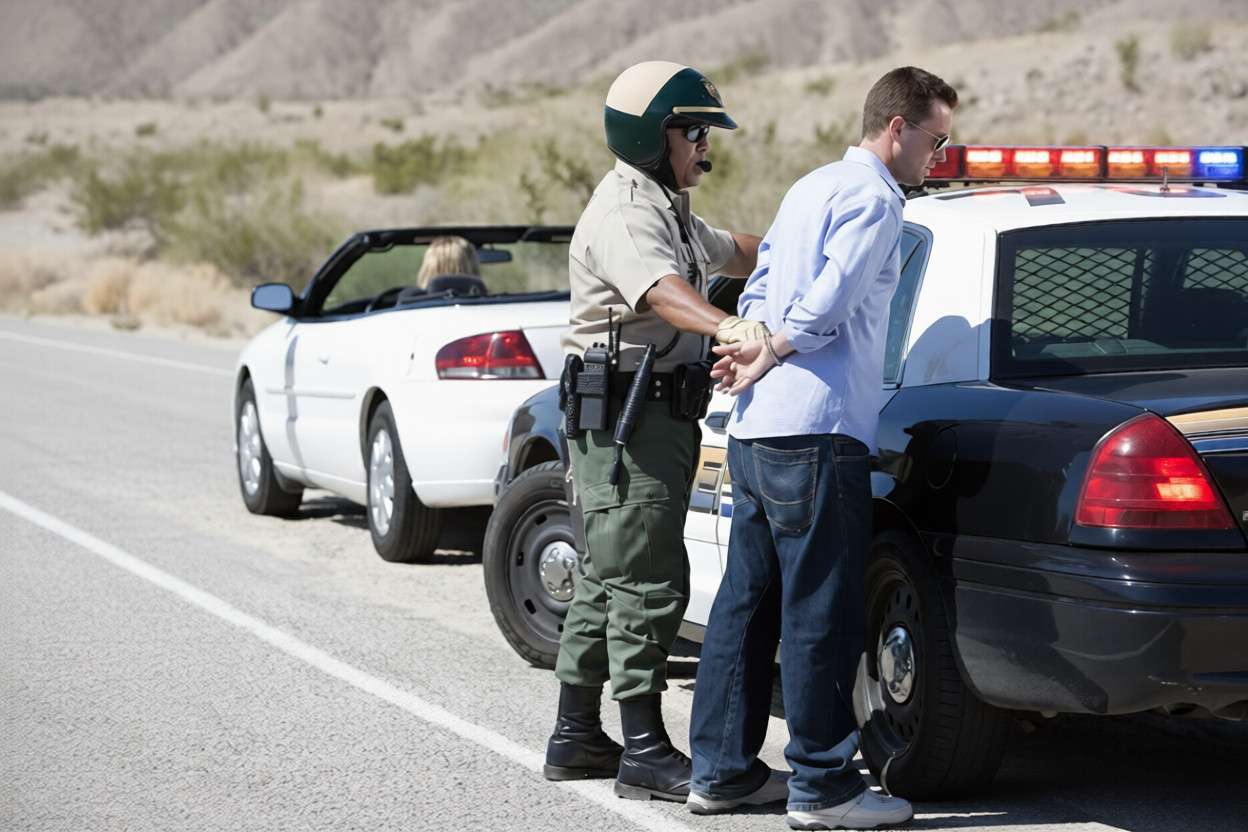
Following felony DUI arrests, you’ll be transported to Torrance Police Department or Los Angeles County jail facilities for booking including:

  • Recording personal information
  • Taking fingerprints and photographs
  • Conducting computer checks for warrants and criminal history
  • Setting bail according to Los Angeles County bail schedules

Bail for felony DUI typically ranges from:

  • DUI causing injury: $50,000 to $100,000
  • Fourth DUI: $25,000 to $50,000
  • Vehicular manslaughter: $100,000 to $250,000 or higher
  • DUI murder: $1,000,000 or no bail

Arraignment

Your first court appearance occurs at the Torrance Courthouse within 48 hours for in-custody defendants. At arraignment:

  • You’re formally advised of charges
  • You enter a plea (not guilty)
  • Bail is reviewed and set
  • Protective orders may be issued prohibiting contact with victims
  • Future court dates are scheduled

We strongly recommend having an attorney at arraignment to argue for bail reduction, enter not guilty pleas, and begin building defenses immediately.

Preliminary Hearing

For felony charges, preliminary hearings occur within 10 court days if you’re in custody, or within 60 days if you’re out on bail. Preliminary hearings determine whether sufficient probable cause exists to proceed to trial.

These critical hearings allow us to:

  • Cross-examine prosecution witnesses including officers, medical personnel, and victims
  • Challenge sufficiency of evidence
  • Establish weaknesses in prosecution cases
  • Create impeachment material for trial
  • Sometimes achieve dismissals or charge reductions to misdemeanors

According to the Los Angeles County District Attorney’s Office[8], preliminary hearings provide opportunities to test prosecution cases and negotiate favorable resolutions.

Pretrial Proceedings

Following preliminary hearings, cases proceed through pretrial proceedings including:

Discovery – Prosecutors provide evidence including:

  • Police reports and arrest records
  • Blood or breath test results
  • Collision investigation reports
  • Medical records documenting victim injuries
  • Witness statements
  • Expert reports from accident reconstructionists or forensic toxicologists

We thoroughly analyze all discovery to identify weaknesses and develop defenses.

Motion Practice – We file motions to:

  • Suppress evidence obtained through illegal searches or seizures
  • Dismiss charges based on insufficient evidence
  • Exclude prejudicial or unreliable evidence
  • Strike prior convictions
  • Reduce bail

Expert Consultation – We retain experts including:

  • Forensic toxicologists to challenge blood or breath test results
  • Accident reconstruction specialists to analyze collision causes
  • Medical experts to evaluate injury severity
  • Field sobriety test experts to challenge SFST administration

Negotiations – We negotiate with prosecutors seeking:

  • Dismissals when evidence is weak
  • Charge reductions from felonies to misdemeanors
  • Elimination of great bodily injury enhancements
  • Favorable plea agreements minimizing prison time

Trial

If cases don’t resolve through dismissals or negotiations, we provide aggressive trial representation:

  • Jury selection identifying fair, impartial jurors
  • Opening statements framing defenses
  • Cross-examination of prosecution witnesses
  • Presentation of defense witnesses and evidence
  • Expert testimony supporting defenses
  • Closing arguments emphasizing reasonable doubt
  • Jury instructions ensuring proper legal standards

Sentencing

If convictions occur, sentencing proceedings determine punishment. We present mitigation evidence including:

  • Lack of prior criminal history
  • Evidence of good character
  • Employment and family ties
  • Completion of alcohol treatment programs
  • Expressions of remorse
  • Evidence of rehabilitation

Our advocacy seeks probation instead of prison when possible, minimal custody terms, alternative sentencing programs, or outcomes protecting futures as much as possible.

DMV Administrative Proceedings for Felony DUI

Beyond criminal proceedings, felony DUI arrests trigger separate DMV administrative license suspension proceedings.

Administrative Per Se (APS) Suspension

According to the California Department of Motor Vehicles[2], drivers arrested for DUI face automatic license suspension if they:

  • Refuse chemical testing (1-year suspension for first offense)
  • Submit to testing with BAC of 0.08% or higher (4-month suspension for first offense)

For felony DUI with prior DUI convictions, suspension periods are longer.

Requesting APS Hearings

You have only 10 days from arrest to request DMV administrative hearings to contest suspensions. Failure to request hearings within 10 days results in automatic suspension.

We request hearings immediately and represent you at DMV proceedings, which provide opportunities to:

  • Cross-examine arresting officers
  • Challenge probable cause for arrest
  • Challenge accuracy of chemical tests
  • Establish defenses to suspension

Winning DMV hearings allows you to keep driving privileges pending criminal case resolution.

Felony DUI and Immigration Consequences

For non-citizen Torrance residents, felony DUI convictions can trigger serious immigration consequences.

Deportable Offenses

While DUI itself typically isn’t a deportable offense, felony DUI can trigger removal when:

  • Convictions involve aggravated felonies under immigration law (vehicular manslaughter causing death)
  • Multiple DUI convictions establish patterns of behavior affecting immigration status
  • Convictions involve crimes involving moral turpitude

Protecting Immigration Status

We coordinate criminal defense with immigration consequences by:

  • Consulting with immigration attorneys to assess specific risks
  • Negotiating for charge reductions avoiding aggravated felony classifications
  • Pursuing outcomes minimizing immigration consequences
  • Advising clients about immigration risks before plea agreements

Non-citizens should never resolve felony DUI charges without understanding immigration consequences and consulting both criminal defense and immigration counsel.

Frequently Asked Questions

Can felony DUI charges be reduced to misdemeanors?

Yes. In DUI causing injury cases charged as felonies, we often negotiate charge reductions to misdemeanors when injuries were minor, our defenses are strong, or mitigation demonstrates you deserve leniency. Fourth-offense felony DUI cases are more difficult to reduce but sometimes achievable through successful challenges to prior convictions.

Will I go to prison for felony DUI?

Not necessarily. First-time felony DUI causing minor injuries sometimes results in probation without prison, particularly with strong mitigation, completion of treatment, and no prior criminal history. However, serious injuries, deaths, high BAC levels, or prior records significantly increase likelihood of prison sentences.

Can I get a restricted license after felony DUI?

Eventually, yes. After completing mandatory suspension periods and installing ignition interlock devices, you may be eligible for restricted licenses allowing driving to work, school, and DUI programs. Eligibility requirements and timelines depend on specific circumstances and conviction types.

What if the other driver caused the collision?

If evidence establishes the other driver’s negligence caused the collision, this is a powerful defense. We investigate thoroughly using accident reconstruction experts to prove your DUI didn’t cause injuries, potentially resulting in dismissal or charge reduction.

Will I lose my professional license?

Potentially. Many professional licensing boards including medical boards, state bars, nursing boards, and teaching credential commissions initiate disciplinary proceedings for felony convictions. We coordinate criminal defense with professional license protection strategies.

Can blood test results be challenged?

Yes. Blood tests are subject to numerous challenges including improper collection procedures, contamination, fermentation, chain of custody issues, and laboratory errors. We retain forensic toxicologists to analyze blood testing and identify weaknesses.

What if I wasn’t driving?

If you weren’t actually driving when officers arrived, this is a complete defense to DUI. Prosecutors must prove you drove, and in collision cases where drivers leave scenes, proof of driving can be challenging. We aggressively challenge driving evidence when witnesses or physical evidence don’t establish you were the driver.

How long does a felony DUI case take?

Felony DUI cases typically take 6 months to 2 years from arrest to resolution depending on complexity, whether cases go to trial, expert analysis required, and negotiation progress. Complex cases involving serious injuries or deaths take longer.

Should I take a plea deal?

This depends on strength of prosecution evidence, your defenses, your criminal history, and specific plea terms offered. We thoroughly analyze your case, discuss all options, and advise you about whether plea agreements serve your interests or whether taking cases to trial provides better outcomes.

Can prior DUI convictions be challenged?

Yes. We examine prior convictions for constitutional violations, procedural errors, or expiration of the 10-year period. Successfully striking prior convictions can reduce felony charges to misdemeanors, eliminating prison exposure.

Contact Tu Defensor Criminalista Today

If you’ve been arrested or charged with felony DUI in Torrance, California, your freedom, your future, and your liberty are at stake. These are the most serious drunk driving charges in California, carrying years in state prison and lifelong consequences. Time is absolutely critical—evidence must be preserved, DMV hearings must be requested within 10 days, and early investigation provides the best chances of favorable outcomes.

At Tu Defensor Criminalista, we provide aggressive, strategic legal representation for felony DUI charges throughout Torrance and Los Angeles County. We understand the serious nature of these charges, the complex legal issues involved, and the devastating consequences of convictions. We fight tirelessly to protect your rights, your freedom, and your future.

Don’t face felony DUI charges alone. Don’t assume conviction is inevitable. Don’t let these charges destroy everything you’ve worked for. Contact us immediately for experienced legal representation that can make the difference between prison and freedom, between a felony record and a better outcome.

Contact Information

Service areasServing Torrance and nearby communities
LanguagesEnglish & Spanish (Hablamos Español)
Get a Free Consultation

We’re available 24 hours a day, 7 days a week to provide the immediate assistance you need. Call now for a confidential consultation to discuss your case, explore your options, and begin building your defense.


Citations and Sources

Throughout this content, we have referenced statistics, facts, and information from authoritative sources to provide accurate, reliable information about felony DUI laws, enforcement, and criminal justice in Torrance and California.

Below is a complete list of sources cited in this content:

  1. California Legislative Information – California Vehicle Code Sections 23153, 23550, and California Penal Code Sections 187, 191.5, 12022.7, and related statutes
    https://leginfo.legislature.ca.gov/[1]
  2. California Department of Motor Vehicles – DUI penalties, license suspension, and administrative proceedings
    https://www.dmv.ca.gov/[2]
  3. U.S. Census Bureau – Population and demographic data for Torrance, California
    https://www.census.gov/quickfacts/torrancecitycalifornia[3]
  4. California Highway Patrol – DUI enforcement and traffic safety information
    https://www.chp.ca.gov/[4]
  5. Torrance Police Department – Law enforcement services and crime response
    https://www.torranceca.gov/our-city/police-department[5]
  6. California Office of Traffic Safety – DUI statistics and traffic safety data
    https://www.ots.ca.gov/[6]
  7. U.S. Citizenship and Immigration Services – Immigration consequences of criminal convictions
    https://www.uscis.gov/[7]
  8. Los Angeles County District Attorney’s Office – Prosecution information and policies
    https://da.lacounty.gov/[8]

Sources

  1. California Vehicle Code Section 23153 (leginfo.legislature.ca.gov)
  2. California Department of Motor Vehicles (dmv.ca.gov)
  3. U.S. Census Bureau (census.gov)
  4. California Highway Patrol (chp.ca.gov)
  5. Torrance Police Department (torranceca.gov)
  6. California Office of Traffic Safety (ots.ca.gov)
  7. U.S. Citizenship and Immigration Services (uscis.gov)
  8. Los Angeles County District Attorney’s Office (da.lacounty.gov)

Client Trust & Avvo Recognition

Attorney Armando Josué Cespedes is rated 5.0 on Avvo, with 34 five-star reviews from clients praising his dedication, professionalism, and results. Many note how his trial skills and attention to detail led to reduced charges or outright dismissals.


I was arrested for a DUI just recently, since Spanish is my first language, it was important to find a great attorney who was bilingual. Getting your first DUI can...
Christian
Armando cespedes went above and beyond for my case. I was very close to getting my license revoked as I am under the age of 21 and received my second...
Nathan
I was referred to Mr. Cespedes by a family friend who was very pleased with his legal services. Unfortunately, I got a DUI a few months ago and I was...
Connie
He cares and did everything possible to help me resolve my case. I was worried about my hit and run and DUI case. Not only did he go to court...
Pablo M.
Armando gets results with your best interest in mind. I was wrongfully being accused of making primal threats. Even though I was innocent, I was aware that the accusations are...
Raul
Extremely professional I recently had a brief phone consultation with Mr. Cespedes regarding a longtime friend of mine. Although he was unable to assist him with his legal needs, I...
Shereen

Find The Right Attorney For Free

Get help to resolve your case fast, quietly, and in your favor,
Fill out the form below for your consultation

Choose where to leave a review

Thank you! We need your help. Would you share your experience on one of these sites?

If you have concerns you wish to address privately



