Expert Hit and Run DUI Defense Attorney Serving West Covina, Baldwin Park, Covina, Valinda & All Los Angeles County
Arrested for hit and run DUI in West Covina? You’re facing compounded criminal charges carrying felony exposure, mandatory prison sentences, massive restitution liability, license revocation, civil lawsuits totaling hundreds of thousands of dollars, and permanent criminal records branding you as someone who fled the scene after causing injury or property damage while intoxicated. Whether the collision occurred on Interstate 10, Garvey Avenue, Azusa Avenue, Francisquito Avenue, or anywhere in West Covina’s jurisdiction, hit and run combined with DUI represents one of the most serious traffic-related criminal prosecutions in California—threatening your freedom, financial security, driving privileges, and future opportunities for decades.
The combination of DUI and hit and run creates exponential legal consequences far exceeding either charge alone. West Covina Police Department, California Highway Patrol, and Los Angeles County Sheriff’s deputies aggressively investigate these cases using witness statements, surveillance footage, vehicle damage analysis, and forensic evidence to identify fleeing drivers. Prosecutors pursue maximum sentences viewing hit and run DUI defendants as public safety threats who endangered lives and evaded responsibility. You need immediate, specialized legal defense that understands the complex intersection of DUI law, hit and run statutes, and collision reconstruction challenging every element of prosecution’s case.
When you’re arrested for DUI after leaving the scene of a collision, you face multiple serious charges each carrying separate penalties: Vehicle Code Section 23152 (driving under the influence), Vehicle Code Section 20001 (felony hit and run with injury), Vehicle Code Section 20002 (misdemeanor hit and run with property damage), and potentially Vehicle Code Section 23153 (DUI causing injury). These charges stack, meaning convictions result in consecutive sentences, multiple fines, separate restitution orders, and compounded license consequences creating catastrophic legal exposure.
Hit and run DUI investigations in West Covina typically begin when someone reports collision, witnesses provide vehicle descriptions or license plates, surveillance cameras capture the incident, or officers locate your damaged vehicle hours or days later. Even if you return to the scene, turn yourself in, or cooperate fully after initial flight, you still face hit and run charges because the offense was complete the moment you left without providing required information and rendering reasonable assistance.
The stakes escalate dramatically when injuries occur. According to National Highway Traffic Safety Administration data[1], hit and run crashes kill approximately 2,000 people annually nationwide, with significant percentages involving impaired drivers who flee to avoid DUI detection. California Office of Traffic Safety statistics[2] show Los Angeles County experiences thousands of hit and run collisions each year, with prosecutors aggressively pursuing felony charges when alcohol or drugs are involved.
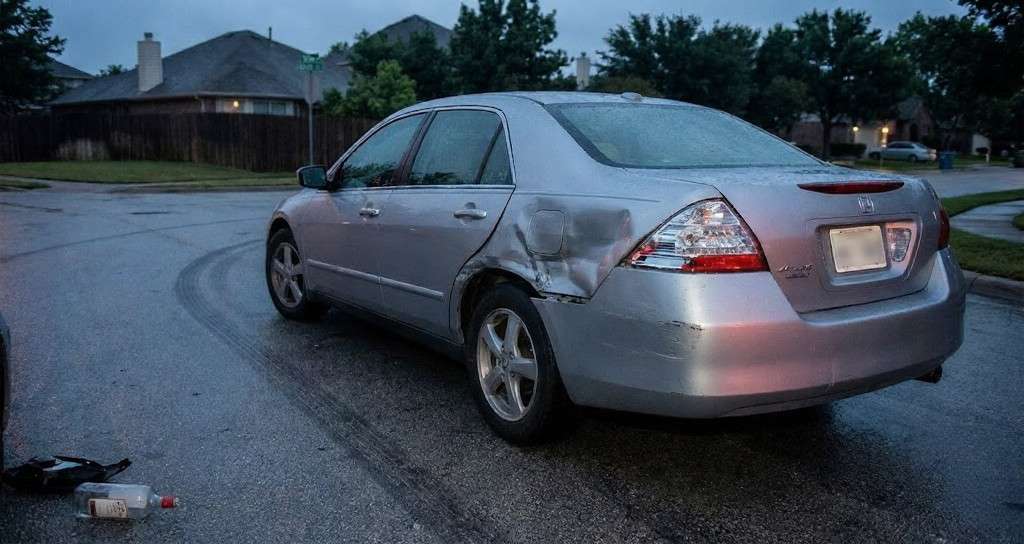
Common scenarios include: rear-ending vehicles at red lights and fleeing before police arrive, sideswipe collisions on Interstate 10 or Garvey Avenue followed by continued driving, parking lot accidents with parked vehicles where you leave without providing information, pedestrian or bicycle collisions where you panic and drive away, or multi-vehicle crashes where you’re intoxicated and attempt to avoid arrest by leaving the scene. Regardless of circumstances, the combination creates severe criminal liability requiring immediate strategic defense.
Free Confidential Consultation: (888) 315-3326 | Available 24/7 | Hablamos Español
California Hit and Run Laws: Vehicle Code Sections 20001 and 20002
California law imposes strict duties on drivers involved in any collision, regardless of fault, with severe penalties for failing to stop and comply with statutory requirements.
Vehicle Code Section 20002 – Misdemeanor Hit and Run (Property Damage): Requires drivers involved in collisions resulting in property damage to immediately stop at scene, locate and notify property owner or person in charge, and provide name, address, and vehicle registration number. Violation constitutes misdemeanor punishable by up to six months county jail, fines up to $1,000, two points on driving record, and potential license suspension. When combined with DUI, prosecutors typically file both charges seeking consecutive sentences.
Vehicle Code Section 20001 – Felony Hit and Run (Injury or Death): When collision causes injury to any person other than yourself, you must immediately stop at scene, provide identification and insurance information to injured parties and investigating officers, and render reasonable assistance including transporting or arranging transportation for injured persons to medical facility if apparent treatment is necessary. Violation constitutes felony or misdemeanor (prosecutor’s discretion) with penalties ranging from: misdemeanor conviction (up to one year county jail), felony conviction (16 months, two years, or three years state prison), enhanced prison terms if victim suffers great bodily injury (additional three years) or permanent/serious injury (additional five years), fines up to $10,000, restitution to victims for all economic losses, and mandatory driver’s license revocation.
The critical element is knowledge—prosecution must prove you knew collision occurred or reasonably should have known based on circumstances. Minor impacts that you genuinely didn’t notice don’t constitute hit and run, though prosecutors rarely accept these defenses without compelling evidence. When you’re intoxicated, impairment affects your awareness and decision-making, but voluntary intoxication is no defense to hit and run charges.
Understanding DUI Causing Injury: Vehicle Code Section 23153
When hit and run involves DUI, prosecutors often file Vehicle Code Section 23153—DUI causing injury—charging you with felony based on intoxicated driving that caused bodily injury to another person. This charge carries more severe penalties than standard DUI including: felony conviction, 16 months to 16 years state prison (depending on number of victims and injury severity), strikes under California’s Three Strikes Law if great bodily injury occurred, restitution to all injured parties potentially totaling hundreds of thousands of dollars, habitual traffic offender designation, and permanent license revocation absent successful DMV hearing.
Elements prosecution must prove: you drove a vehicle, while under the influence of alcohol or drugs or with BAC of 0.08% or higher, and while driving under the influence you committed illegal act or neglected legal duty, and your illegal act or neglect proximately caused bodily injury to another person. The “illegal act or neglect” element distinguishes VC 23153 from standard DUI—prosecutors must prove your intoxicated driving caused the collision and resulting injuries, not merely that you were intoxicated when collision occurred.
Defense challenges causation: did your conduct actually cause the collision, or did other driver’s actions, road conditions, mechanical failures, or third-party conduct cause or contribute to the crash? Even if you were intoxicated, if other factors caused the collision, VC 23153 charges may not be sustainable. Accident reconstruction experts, biomechanical engineers, and toxicologists provide critical testimony challenging prosecution’s causation theories.
Why Drivers Leave the Scene: Panic, Fear, and Impaired Judgment
Understanding why people flee collision scenes helps develop defense strategies and mitigation arguments, though legal justifications for hit and run are extremely limited.
Fear of DUI Arrest: Most hit and run DUI cases involve drivers who panic after collision realizing they’re intoxicated and facing arrest. The decision to flee—hoping to avoid detection, sober up, or claim later ignorance—invariably makes situation worse. Fleeing transforms simple DUI misdemeanor into multiple felonies with mandatory prison exposure.
Impaired Judgment: Intoxication impairs decision-making, causing drivers to make irrational choices including fleeing rather than staying to face consequences. While voluntary intoxication provides no legal defense, it explains conduct and humanizes defendants during negotiations and sentencing.
Suspended License or Immigration Status: Drivers with suspended licenses, no insurance, outstanding warrants, or immigration concerns sometimes flee fearing additional consequences beyond DUI. These concerns, while understandable, don’t legally justify hit and run and frequently result in worse outcomes when caught.
Shock and Confusion: Some drivers genuinely don’t realize collision severity, believe they can handle situation privately, or panic and drive to “safe location” intending to return but never do. While not legal defenses, these circumstances provide mitigation during sentencing.
Lack of Injury Awareness: In some cases, drivers don’t realize anyone was injured, particularly in minor impacts or when intoxication impairs perception. If you reasonably believed no injury occurred, this challenges felony hit and run elements, though prosecutors contest these claims aggressively.
The Devastating Consequences of Hit and Run DUI Convictions in Los Angeles County
Convictions create layered penalties affecting every aspect of your life for decades.
Criminal Penalties: Misdemeanor hit and run (VC 20002): up to six months county jail, fines to $1,000. Felony hit and run (VC 20001): 16 months to three years state prison, up to $10,000 fines, enhanced terms for great bodily injury (additional three to five years). DUI causing injury (VC 23153): 16 months to four years state prison for single victim, additional one to three years per additional injured victim, additional three to six years for great bodily injury, strikes under Three Strikes Law. Standard DUI: probation, jail time, fines, DUI programs, license suspension. When prosecutors stack charges, you face exposure to decade or more of prison time.
According to California Department of Justice statistics[3], Los Angeles County prosecutes thousands of felony DUI and hit and run cases annually, with conviction rates exceeding 90% when defendants lack experienced legal representation. Judges impose harsh sentences in hit and run DUI cases viewing defendants as having compounded criminal conduct through flight.
Restitution Obligations: Courts order full restitution to all victims for economic losses including: medical expenses (emergency treatment, surgery, hospitalization, rehabilitation, ongoing care, future medical needs), lost wages and earning capacity, property damage, vehicle replacement or repair, rental car costs, and pain and suffering in some circumstances. Restitution amounts frequently exceed $100,000 in serious injury cases and $1,000,000+ in catastrophic injury or death cases. These obligations survive bankruptcy and follow you for life.
License Consequences: DMV revokes driver’s license following hit and run convictions. VC 20001 felony conviction: mandatory one-year revocation. VC 23153 DUI causing injury: mandatory license revocation ranging from one year to permanent revocation depending on circumstances and prior record. Multiple administrative and court-ordered suspensions run consecutively, potentially leaving you without driving privileges for years. Commercial driver’s license (CDL) holders face federal disqualification ending trucking and transportation careers.
Civil Liability: Criminal convictions establish liability in civil lawsuits. Injured parties file personal injury claims seeking compensatory damages (medical expenses, lost wages, pain and suffering) and punitive damages (intended to punish drunk drivers). Civil judgments totaling hundreds of thousands or millions of dollars result in wage garnishment, property liens, and bankruptcy that doesn’t discharge DUI-related debt.
Immigration Consequences: Non-citizens including lawful permanent residents face severe immigration consequences. Felony convictions, crimes involving moral turpitude, and aggravated felonies trigger removal proceedings. Hit and run and DUI causing injury constitute deportable offenses resulting in detention, removal, and lifetime bars to reentry. Even misdemeanor hit and run may affect immigration status depending on circumstances.
Professional License Discipline: Healthcare providers, attorneys, teachers, commercial drivers, and other licensed professionals face discipline from California licensing boards. Felony convictions result in automatic license suspension or revocation for many professions, ending careers requiring years of education and training.
Employment and Housing Barriers: Felony records appear on background checks permanently absent expungement. Employers in West Covina and throughout Los Angeles County conduct criminal background checks disqualifying applicants with DUI and hit and run convictions. Professional positions, government jobs, positions requiring driving, and any employment involving trust or responsibility become unavailable. Landlords deny housing applications based on criminal history, particularly felony convictions involving vehicles and alcohol.
Insurance Consequences: Auto insurance companies cancel policies following DUI hit and run convictions. Obtaining future coverage requires high-risk SR-22 insurance at premiums 200-400% higher than standard rates, lasting three to five years minimum. Some carriers refuse coverage entirely, forcing you into assigned risk pools at extreme costs.
Social Stigma: Hit and run DUI convictions carry particular stigma—community members view defendants as selfish, dangerous, and morally culpable for fleeing rather than helping injured victims. This stigma affects personal relationships, community standing, and social opportunities beyond legal consequences.
Strategic Defense Against Hit and Run DUI Charges in West Covina
Effective defense requires attacking every element of each charge while developing mitigation strategies for worst-case scenarios.
Challenging the Traffic Stop or Initial Contact: If police stopped you before collision or conducted traffic stop leading to DUI investigation before discovering hit and run, Fourth Amendment protections apply. Officers must have reasonable suspicion for traffic stop or probable cause for arrest. Illegal stops require suppression of all subsequently discovered evidence potentially resulting in dismissal.
Contesting Knowledge of Collision: Hit and run requires knowledge that collision occurred. Minor impacts, unclear contact, or situations where you reasonably didn’t know collision happened negate criminal liability. Defense presents evidence: minimal vehicle damage, lack of impact sensation, road and traffic conditions, distractions, and your reasonable belief no collision occurred. Successful knowledge challenge defeats hit and run charges even if DUI charges remain.
Challenging Identity and Vehicle Identification: In cases where you left scene and police later locate your vehicle, prosecution must prove you were driving at time of collision. Challenges include: multiple people had access to vehicle, you loaned vehicle to someone else, vehicle was stolen, witnesses misidentified your vehicle, or circumstantial evidence is insufficient to prove you drove. Absent direct identification or credible admissions, prosecution faces proof problems.
Attacking DUI Elements: Standard DUI defenses apply: illegal traffic stop, improper field sobriety testing, inaccurate chemical testing, rising blood alcohol, lack of impairment, medical conditions affecting tests, and expert testimony challenging prosecution evidence. Successful DUI defense eliminates enhanced penalties and felony exposure associated with VC 23153 charges.
Challenging Causation in VC 23153 Cases: Prosecution must prove your intoxicated driving caused injuries. Defense presents alternative causation theories: other driver caused collision through negligence or traffic violations, road defects contributed to crash, mechanical failures, third-party conduct, or victim’s injuries resulted from pre-existing conditions rather than collision. Accident reconstruction experts analyze collision dynamics, vehicle damage, roadway evidence, and witness statements developing alternative scenarios creating reasonable doubt.
Challenging Injury Severity: Felony hit and run requires “injury” to another person—mere complaints of pain without objective medical findings may be insufficient. Defense investigates medical records, prior injuries, exaggeration, and malingering. Additionally, great bodily injury enhancements require serious or substantial physical injury—minor injuries don’t qualify. Medical experts review records challenging injury classifications and enhancement allegations.
Necessity and Emergency Defenses: Limited circumstances justify leaving collision scene: you faced immediate threat requiring emergency departure (medical emergency, threat of violence), you drove minimum distance necessary to reach safety and immediately contacted authorities, or emergency wasn’t created by your intoxication. These defenses rarely succeed but may provide mitigation during negotiations.
Return to Scene and Cooperation: While not eliminating charges, evidence that you returned to scene, turned yourself in promptly, cooperated fully with investigation, and showed genuine remorse provides powerful mitigation during plea negotiations and sentencing. Voluntary return demonstrates acceptance of responsibility distinguishing your conduct from defendants who fled permanently.
Challenging Blood Draw Timing and Results: In hit and run cases, officers often don’t locate you for hours or days after collision. Delayed blood draws create challenges: rising blood alcohol defense (your BAC at time of driving was below legal limit though later testing showed elevation), metabolism and elimination rates, retrograde extrapolation calculations, and insufficient evidence proving impairment during actual driving. Toxicology experts analyze timing, consumption patterns, and pharmacokinetics challenging prosecution’s BAC theories.
Miranda Violations and Confession Challenges: Post-arrest questioning about collision, fleeing, and intoxication requires Miranda warnings. Officers frequently question suspects without proper warnings or after invocation of rights. Suppression of statements eliminates admissions about drinking, driving, knowledge of collision, and reasons for fleeing—critical evidence in prosecution’s case.
Negotiating Reduced Charges: Strong defense cases create leverage for plea negotiations: reducing felonies to misdemeanors, dismissing some charges in exchange for pleas to others, eliminating great bodily injury enhancements, achieving probation rather than prison, or structuring immigration-safe dispositions for non-citizens. Prosecution’s willingness to negotiate depends on evidence strength, victim injuries, and defense presentation of mitigating circumstances.
West Covina Hit and Run DUI Investigation and Prosecution Process
Understanding the investigation and court process helps you prepare effective defense strategies.
Initial Investigation: Hit and run investigations begin at collision scene. Officers document: vehicle damage, debris field, skid marks, roadway evidence, witness statements, surveillance footage from nearby businesses or residences, and injured party statements. When drivers flee, officers issue BOLO (be on the lookout) bulletins with vehicle descriptions, license plates, and suspect information.
Locating Suspects: Police use multiple methods locating hit and run drivers: license plate readers, surveillance footage, witness descriptions leading to registered owners, canvassing neighborhoods for damaged vehicles, social media posts, anonymous tips, and returning to scene hoping suspects return. Once vehicle is located, officers conduct knock-and-talk interviews, apply for search warrants, or conduct surveillance awaiting your return.
DUI Investigation After the Fact: When officers locate you hours or days after collision, DUI investigation becomes challenging but not impossible. Officers look for: alcohol odor on breath or clothing, bloodshot eyes, admission of drinking, empty alcohol containers in vehicle, and circumstances suggesting recent intoxication. Officers may obtain search warrants for blood draws based on probable cause that you drove under the influence during collision.
Arrest and Booking: Arrest occurs either at collision scene (if officers stop you immediately), during later contact when officers locate you, or after investigation when officers obtain arrest warrant. Booking occurs at West Covina Police Department or Industry Station with charges including: VC 23152(a), VC 23152(b), VC 20001 or VC 20002, VC 23153 if injuries occurred, and potentially other charges based on circumstances.
Court Proceedings at Pomona Courthouse: Hit and run DUI cases proceed through Los Angeles County Superior Court, typically at Pomona Courthouse located at 400 Civic Center Plaza, Pomona, CA 91766. Arraignment occurs within 48 hours if in custody or via mailed notice if released. Felony cases involve preliminary hearing where prosecution must prove probable cause that you committed charged offenses. Pretrial proceedings include discovery, motion practice, plea negotiations, and trial preparation. Trials last several days to weeks depending on complexity.
DMV Administrative Proceedings: Separate from criminal court, DMV conducts administrative hearing regarding license suspension. You have 10 days from arrest to request hearing. DMV addresses limited issues: did officer have reasonable cause to stop, did officer have probable cause to arrest, were you driving, was your BAC 0.08% or higher. Winning DMV hearing prevents administrative suspension though criminal court conviction still triggers license consequences.
Local Considerations for West Covina Hit and Run DUI Cases
West Covina’s location, demographics, and traffic patterns create specific considerations affecting defense strategy.
West Covina serves as residential and commercial hub in eastern Los Angeles County with population exceeding 106,000. Major thoroughfares including Interstate 10, Garvey Avenue, Azusa Avenue, Francisquito Avenue, Cameron Avenue, and Valley Boulevard experience heavy traffic creating frequent collision opportunities. The Eastland Center shopping area, West Covina Plaza, and numerous commercial districts along Garvey Avenue generate parking lot collisions where drivers sometimes leave without providing information.
According to California Highway Patrol collision data[4], Los Angeles County experiences over 50,000 DUI arrests annually with significant percentages involving collisions. Hit and run crashes represent substantial portion of total collisions, with prosecutors prioritizing cases involving injuries and impaired drivers.
West Covina Police Department maintains active traffic division investigating collisions and DUI offenses. California Highway Patrol has jurisdiction over Interstate 10 and state highways. Multi-agency task forces coordinate hit and run investigations using sophisticated technology including license plate readers, traffic cameras, and forensic analysis.
West Covina’s diverse population includes significant Latino, Asian, and immigrant communities. Language barriers affect witness statements and defendant interviews. Cultural differences influence perceptions of law enforcement interaction and legal system navigation. Immigration concerns drive some defendants’ decisions to flee, though flight creates worse consequences than cooperation would have.
Los Angeles County District Attorney’s Office prosecutes hit and run DUI cases aggressively through specialized units handling vehicular crimes. Vertical prosecution assigns single prosecutor to case from filing through disposition ensuring continuity and aggressive advocacy. Prosecutors resist favorable plea offers in hit and run DUI cases, particularly when victims suffered serious injuries.
Building Your Defense: Immediate Steps After Hit and Run DUI Arrest
Actions taken immediately after arrest significantly impact case outcomes.
Contact Experienced Hit and Run DUI Defense Attorney Immediately: Consultation should occur within hours of arrest before making any statements to police, insurance companies, or other parties. Early attorney involvement enables: evidence preservation, witness identification, scene documentation, expert retention, and strategic planning before memories fade and evidence disappears.
Exercise Right to Remain Silent: Do not discuss collision, drinking, or fleeing with anyone except your attorney. Statements to police, jail inmates, friends, family, or posted on social media become prosecution evidence. Recorded jail calls are monitored and used against you at trial.
Request DMV Hearing Within 10 Days: Automatic deadline cannot be extended. Hearing request preserves driving privileges temporarily and creates discovery opportunity. Attorney representation at DMV hearing provides preview of prosecution evidence and witness testimony.
Document Everything Immediately: Create detailed written timeline: activities before collision, alcohol consumption if any, collision circumstances, reasons for leaving scene (even if legally insufficient), route taken, when you stopped, subsequent actions, and arrest circumstances. Immediate documentation preserves details before memory fades.
Preserve Evidence: Photograph vehicle damage from all angles before repairs. Identify potential witnesses who may have observed collision, your driving, or relevant circumstances. Obtain surveillance footage from nearby businesses before automatic deletion (typically 30-90 days). Collect receipts, credit card statements, or other documentation establishing timeline and activities.
Do Not Repair Vehicle Without Documentation: Vehicle damage provides critical evidence for accident reconstruction and defense investigation. Photograph extensively and consult with attorney before repairs. In some cases, preservation orders prevent repair or destruction pending expert examination.
Do Not Discuss Case With Insurance Company: Insurance companies conduct recorded statements used against you in criminal and civil proceedings. Cooperate with policy requirements but avoid detailed statements without attorney guidance. Insurance companies may deny coverage for hit and run or DUI incidents.
Do Not Contact Victims: While instinct may be to apologize or explain, any contact with victims creates additional evidence and potential witness tampering allegations. All victim communication should occur through attorneys if appropriate.
Address Medical Needs: If you suffered injuries, seek medical treatment immediately. Medical records documenting your injuries support defenses and provide mitigation. Delayed treatment allows prosecution to argue injuries were minimal or fabricated.
Begin Proactive Mitigation: Enrollment in alcohol counseling, AA meetings, community service, or victim impact panels before court mandate demonstrates acceptance of responsibility and rehabilitation efforts influencing negotiations and sentencing.
Why Hit and Run DUI Cases Require Specialized Legal Expertise
These cases involve complex intersections of law, science, and procedure requiring specialized knowledge.
Multiple Overlapping Charges: Coordinating defense across VC 23152, VC 20001/20002, and VC 23153 charges requires understanding how each charge affects others and strategic decisions about which charges to contest versus which to negotiate.
Accident Reconstruction: Challenging causation in VC 23153 cases requires accident reconstruction experts analyzing collision dynamics, vehicle damage, roadway evidence, and physics principles establishing alternative causation theories.
Forensic Toxicology: DUI defense requires experts in alcohol pharmacology, blood and breath testing, and retrograde extrapolation calculating BAC at time of driving when testing occurred hours or days later.
Victim Relations: Cases involving injured victims create emotional trials where juries sympathize with victims. Managing victim impact, cross-examining sympathetic witnesses, and humanizing defendants requires trial experience and sensitivity.
Sentencing Advocacy: Given severe penalties, sentencing hearings become critical. Presenting mitigation evidence, character witnesses, rehabilitation efforts, and alternative sentencing proposals requires preparation and advocacy skills.
Civil Liability Coordination: Criminal defense must account for parallel civil lawsuits. Statements in criminal proceedings may be used in civil trials. Coordinating criminal defense counsel with civil defense attorneys prevents inconsistent positions and protects financial interests.
Alternative Sentencing and Diversion Options for West Covina Cases
While limited for serious charges, some defendants may qualify for alternatives to traditional prosecution.
Felony Probation: Judges may grant probation with custody conditions rather than state prison for VC 20001 and VC 23153 convictions depending on criminal history, injury severity, and mitigating factors. Probation includes: county jail time, fines and restitution, alcohol programs, community service, testing, and restrictive conditions.
Collaborative Courts: Veterans Court, Mental Health Court, or Drug Court programs may accept qualified defendants with underlying issues contributing to criminal conduct. These intensive treatment programs involve regular court appearances, testing, treatment participation, and graduated sanctions and rewards. Successful completion results in reduced charges or sentencing.
Immigration-Safe Dispositions: Non-citizens require dispositions avoiding deportable offenses. Strategies include: reducing felonies to misdemeanors, structuring pleas to non-deportable charges, achieving dispositions avoiding moral turpitude findings, or contesting cases at trial. Immigration consequence analysis must occur before accepting any plea offer.
Civil Compromise: In VC 20002 misdemeanor property damage cases without aggravating factors, California Penal Code Section 1377 allows civil compromise where victim signs declaration acknowledging full compensation and requesting dismissal. Judges have discretion to dismiss charges following civil compromise, though prosecution often opposes in DUI-related cases.
Deferred Entry of Judgment: While not available for DUI offenses, some non-DUI hit and run cases may qualify for deferred entry programs resulting in dismissal upon successful completion of conditions.
Frequently Asked Questions – Hit and Run DUI
What should I do if I left the scene of an accident and was drinking?
Contact an experienced criminal defense attorney immediately before speaking with police. While you cannot undo leaving the scene, prompt voluntary return and cooperation provide critical mitigation. Your attorney can arrange surrender, coordinate with prosecutors, and protect your rights during investigation while presenting your case in most favorable light.
Can I be charged with hit and run if I didn’t know I hit somethi
No. Hit and run requires knowledge that collision occurred. If you genuinely didn’t know impact happened—for example, minor contact you didn’t notice—you haven’t committed hit and run. However, prosecution must be convinced through evidence, not mere assertion. Vehicle damage, impact force, and circumstances affect credibility of “no knowledge” claims.
What is the penalty for felony hit and run DUI in California?
Penalties vary based on specific charges and circumstances: VC 20001 felony hit and run carries 16 months to three years state prison plus up to five additional years for great bodily injury. VC 23153 DUI causing injury carries 16 months to four years for single victim plus one to three years per additional victim plus three to six years for great bodily injury. Multiple charges result in consecutive sentences potentially totaling 10+ years prison.
Will I go to prison for hit and run DUI?
Not necessarily. Outcomes depend on: prior criminal history, injury severity, BAC level, circumstances of flight, acceptance of responsibility, and quality of legal defense. First-time offenders with minor injuries and strong mitigation may achieve probation with jail time rather than prison. Serious injury cases or defendants with prior records face likely prison sentences absent exceptional circumstances or successful trial defense.
Can I get hit and run charges dismissed?
Yes, through various strategies: challenging knowledge of collision, contesting identification, suppressing evidence obtained through illegal searches, demonstrating necessity defense, negotiating civil compromise in property damage cases, or achieving acquittal at trial. Success depends on specific facts, evidence quality, and legal representation.
How does leaving the scene affect my DUI case?
Dramatically worsens it. Hit and run adds separate charges carrying additional penalties. Flight demonstrates consciousness of guilt used against you at trial. Prosecutors view defendants who fled as more culpable than those who remained and cooperated, resulting in harsher plea offers and sentencing recommendations.
What if I returned to the scene after leaving?
Voluntary return provides powerful mitigation but doesn’t eliminate charges. Once you left without providing required information, hit and run offense was complete. However, prompt voluntary return shows acceptance of responsibility, differentiates you from defendants who fled permanently, and substantially improves negotiation position and sentencing outcomes.
Can police arrest me for hit and run days after the accident?
Yes. Statute of limitations for felony hit and run is three years, misdemeanor hit and run one year. Police use surveillance footage, witness statements, license plate readers, and investigative techniques locating suspects days, weeks, or months after collision. Late arrests are common in hit and run investigations.
Do I need a lawyer if I’m charged with hit and run DUI?
Absolutely. These cases involve serious felony charges, complex legal issues, potential prison sentences, massive restitution obligations, and life-altering consequences. Public defenders provide representation if financially eligible. Private counsel offers advantages: immediate attention, dedicated investigation, expert retention, and specialized experience. Stakes are too high for self-representation.
How much does a hit and run DUI attorney cost in West Covina?
Legal fees vary based on case complexity and charges severity. Misdemeanor representation ranges $5,000-$15,000. Felony cases with multiple charges and trial preparation range $15,000-$50,000+ depending on expert witnesses, investigation needs, and proceeding complexity. Payment plans may be available. Free consultations allow fee discussion before retention.
Can I seal or expunge hit and run DUI conviction?
Felony convictions may be reduced to misdemeanors under Penal Code Section 17(b) after successful probation completion, then expunged under Penal Code Section 1203.4. Expungement releases many employment consequences but doesn’t eliminate conviction for professional licensing, immigration purposes, or future DUI priors. DUI convictions remain priorable for 10 years regardless of expungement.
What if the other driver was at fault for the accident?
Fault for collision is legally irrelevant to hit and run charges. Even if other driver caused accident through negligence or traffic violations, you’re required to stop, provide information, and render assistance. However, fault affects VC 23153 DUI causing injury charges—if you didn’t cause collision despite being intoxicated, causation element isn’t proven and VC 23153 charges should be dismissed or reduced.
Will my insurance cover damages if I was drinking and left the scene?
Most auto insurance policies exclude coverage for intentional acts and may deny claims for hit and run incidents. DUI involvement may trigger additional coverage exclusions. Review your policy with attorney before filing claims. Even if insurance denies coverage, you remain personally liable for victims’ damages through restitution orders and civil lawsuits.
Can I be charged with vehicular manslaughter for hit and run DUI?
Yes. If victim dies from collision injuries, you face additional charges: Penal Code Section 191.5(a) gross vehicular manslaughter while intoxicated (felony, four to 10 years prison), PC 191.5(b) vehicular manslaughter while intoxicated (felony or misdemeanor), or PC 192(c)(1) vehicular manslaughter (misdemeanor). These charges carry separate penalties and stack with hit and run charges.
What defenses work against hit and run DUI charges?
Multiple defenses depending on facts: lack of knowledge collision occurred, insufficient evidence proving you were driving, illegal traffic stop or search, inaccurate DUI testing, lack of causation for injuries, necessity or emergency justifying departure, Miranda violations, witness credibility challenges, or reasonable doubt regarding any element. Experienced counsel evaluates evidence identifying strongest defenses.
How does hit and run affect my immigration status?
Severely. Felony convictions constitute aggravated felonies or crimes involving moral turpitude triggering removal proceedings. Hit and run combined with DUI creates particularly serious immigration consequences. Lawful permanent residents may lose status. Visa holders face revocation. All non-citizens should consult immigration attorney before accepting any plea coordinating criminal and immigration defense.
Can I get probation instead of prison for felony hit and run?
Possibly. Judges have discretion granting probation for VC 20001 and VC 23153 convictions absent prior strikes or extremely aggravating circumstances. Factors affecting probation eligibility: criminal history, injury severity, acceptance of responsibility, rehabilitation efforts, victim input, and statutory restrictions. Probation includes substantial jail time, fines, restitution, and restrictive conditions.
What happens if I can’t pay restitution to victims?
Restitution is mandatory for all economic losses suffered by victims. Inability to pay doesn’t eliminate obligation but courts may establish payment plans based on financial ability. Failure to pay constitutes probation violation potentially resulting in custody. Restitution obligations survive bankruptcy and remain enforceable for life through wage garnishment and liens.
Should I talk to the police after a hit and run accident?
Never provide detailed statements without attorney consultation. You must provide identification, vehicle registration, and insurance information as required by law. However, detailed statements about collision circumstances, alcohol consumption, or reasons for leaving should only occur after consulting attorney who can protect your rights while presenting facts in most favorable light.
How long will I lose my license for hit and run DUI?
License consequences compound: DMV administrative suspension for DUI (four months to several years depending on priors and refusal), court-ordered suspension for DUI conviction (six months and up), mandatory revocation for VC 20001 conviction (one year minimum), and potential permanent revocation for VC 23153 conviction with serious injuries. Total license loss often exceeds two years and may require hearing for reinstatement.
Contact Tu Defensor Criminalista for West Covina Hit and Run DUI Defense
Attorney Armando Josué Cespedes is rated 5.0 on Avvo, with 34 five-star reviews from clients praising his dedication, professionalism, and results. Many note how his trial skills and attention to detail led to reduced charges or outright dismissals.
I was arrested for a DUI just recently, since Spanish is my first language, it was important to find a great attorney who was bilingual. Getting your first DUI can...
Armando cespedes went above and beyond for my case. I was very close to getting my license revoked as I am under the age of 21 and received my second...
I was referred to Mr. Cespedes by a family friend who was very pleased with his legal services. Unfortunately, I got a DUI a few months ago and I was...
Armando gets results with your best interest in mind. I was wrongfully being accused of making primal threats. Even though I was innocent, I was aware that the accusations are...
Extremely professional I recently had a brief phone consultation with Mr. Cespedes regarding a longtime friend of mine. Although he was unable to assist him with his legal needs, I...



 English
 Español de México
