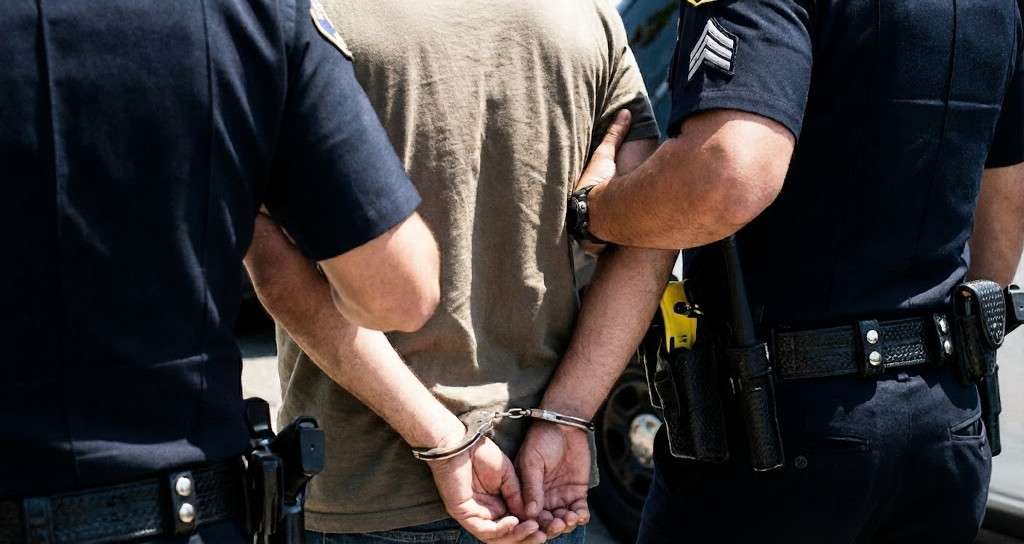
Arrested for resisting arrest in West Covina? You’re facing possible jail or prison time, permanent criminal records, enhanced penalties if injury is alleged, damaged credibility with law enforcement, and serious immigration consequences including deportation. Whether accused of resisting, delaying, or obstructing officers during traffic stops on Garvey Avenue, protests, domestic violence calls, DUI investigations on Interstate 10, or any law enforcement contact in West Covina’s jurisdiction, resisting arrest convictions devastate employment prospects, professional licenses, and create permanent records suggesting violence against police that follow you for life.
The stakes are enormous when police accuse you of resisting arrest. West Covina Police Department, Los Angeles County Sheriff’s deputies, and California Highway Patrol officers frequently add resisting arrest charges to underlying offenses—or charge resisting arrest alone when other charges lack evidence. Los Angeles County prosecutors aggressively pursue these cases viewing them as attacks on law enforcement authority, often refusing favorable plea offers and seeking maximum sentences even for first-time offenders. You need immediate, specialized legal defense that understands the dynamics of resisting arrest allegations, officer credibility challenges, and constitutional violations that frequently accompany these charges.
When law enforcement arrests you for resisting arrest under California Penal Code Section 148(a)(1), you face charges alleging you willfully resisted, delayed, or obstructed a peace officer or emergency medical technician in the lawful performance of their duties. These charges arise in countless scenarios: you pulled away when officer grabbed your arm, you questioned officer’s authority to search, you refused to answer questions, you recorded the encounter on your phone, you walked away from consensual encounter, you tensed up during pat search, you verbally protested arrest, or you committed no resistance whatsoever but officer fabricated charges to justify excessive force or illegal detention.
Resisting arrest prosecutions in West Covina create compound problems: the underlying criminal charge (if any) plus separate resisting charge, officer testimony presumed credible by judges and juries, lack of independent witnesses in many cases, body camera footage that may be unavailable or edited, and judges’ reluctance to second-guess police even when evidence suggests misconduct. Whether you face misdemeanor PC 148(a)(1) charges, felony charges under PC 69 (resisting executive officer with force or violence), or related offenses including battery on peace officer or obstructing officer, convictions carry severe immediate and long-term consequences requiring aggressive defense.
According to California Department of Justice statistics[1], thousands of resisting arrest cases are prosecuted annually across California, with Los Angeles County accounting for substantial percentages. American Civil Liberties Union research[2] documents systematic problems with resisting arrest charges being used to justify questionable police conduct, with minority communities disproportionately affected by such prosecutions.
Common West Covina scenarios include: traffic stops escalating to resisting charges when you question probable cause, domestic violence calls where you refuse warrantless home entry, public intoxication arrests where you verbally protest, trespassing allegations where you dispute officer authority, mental health crises where confusion or fear is criminalized, and situations where you committed no resistance but officer claims resistance to justify their use of force. Understanding that resisting arrest charges often mask police misconduct or constitutional violations is essential to mounting effective defense.
Free Confidential Consultation: (888) 315-3326 | Available 24/7 | Hablamos Español
California law prohibits various forms of resistance or obstruction of law enforcement, with penalties varying based on conduct severity and officer injury.
The most common charge prohibits willfully resisting, delaying, or obstructing any public officer, peace officer, or emergency medical technician in discharge or attempted discharge of their duty. Elements prosecution must prove: (1) the alleged victim was a peace officer or EMT, (2) they were lawfully performing or attempting to perform their duties, (3) you willfully resisted, delayed, or obstructed them in performance of those duties, and (4) you knew or reasonably should have known the person was a peace officer or EMT performing their duties.
Misdemeanor PC 148(a)(1) carries penalties: up to one year county jail, fines up to $1,000, informal (summary) probation up to three years, community service, anger management classes, and stay-away orders from locations or victims. While classified as misdemeanor, courts often impose custody time particularly when officer claims injury or defendant has prior record.
More serious charge applies when you use force or violence, or threaten to use force or violence, to resist executive officer (peace officer, public officer, elected official, process server, etc.) in performance of their duty. PC 69 can be charged as felony or misdemeanor (wobbler) with penalties: felony conviction carries 16 months, two years, or three years state prison; misdemeanor conviction carries up to one year county jail. Additionally, PC 69 counts as “strike” under California’s Three Strikes Law if felony conviction involves force or violence against officer.
Elements prosecution must prove: (1) alleged victim was executive officer, (2) lawfully performing their duties, (3) you used force, violence, or threats to resist, (4) you acted willfully and intentionally, and (5) your conduct prevented or attempted to prevent officer from performing duty. Unlike PC 148(a)(1), PC 69 requires force, violence, or threats—mere passive resistance doesn’t qualify though officers frequently exaggerate minimal contact into “force.”
Related but distinct offenses prohibit battery (harmful or offensive touching) against peace officers. PC 243(b) (battery without injury): misdemeanor, up to one year county jail, $2,000 fine. PC 243(c)(2) (battery causing injury): felony or misdemeanor, if felony: 16 months to three years state prison. Prosecutors often file both resisting arrest and battery charges arising from same conduct, seeking maximum leverage in negotiations.
Assault on Peace Officer – Penal Code Section 241(c): Prohibits assault (unlawful attempt to commit violent injury) on peace officer performing duties. Misdemeanor carrying up to one year county jail, $2,000 fine. If assault involves deadly weapon or force likely to produce great bodily injury, elevated to felony under PC 245(c) carrying two to five years state prison.
Obstructing or Resisting Executive Officer – Penal Code Section 69(a): First prong of PC 69 prohibits knowingly and maliciously attempting by threats or violence to deter or prevent executive officer from performing duty. This provision criminalizes threats alone without actual physical resistance, capturing verbal threats or intimidation attempts.
The critical element in all resisting arrest charges: officer must be engaged in “lawful performance of duties.” If officer violated your constitutional rights, exceeded their authority, or engaged in unlawful conduct, resistance may be legally justified and charges must be dismissed or reduced. This defense proves crucial in West Covina cases involving illegal searches, unlawful detentions, excessive force, or other police misconduct.
California law recognizes important limitations on resisting arrest prosecutions rooted in constitutional protections.
Unlawful Detention or Arrest: Officers must have reasonable suspicion for detention (Terry stop) or probable cause for arrest. Lacking these legal prerequisites, officer is not engaged in lawful performance of duty and PC 148/69 charges fail. You cannot be convicted for resisting unlawful arrest or detention—even if you use reasonable force to resist, though practical considerations make physical resistance extremely dangerous and inadvisable.
Defense challenges officer’s legal basis for stop or arrest: did officer have particularized reasonable suspicion of criminal activity, did officer have probable cause to believe you committed crime, or did officer conduct illegal stop based on hunch, bias, or pretextual reasons? Successful suppression motions establishing unlawful detention or arrest defeat resisting charges entirely.
Fourth Amendment prohibits unreasonable searches. Officers conducting illegal searches are not acting lawfully, and your resistance to illegal search cannot support conviction. Common scenarios: officer demands to search your vehicle without consent or probable cause, officer conducts pat search without reasonable suspicion of weapons, officer enters your home without warrant or exception, or officer searches your phone or belongings without lawful authority. Verbal objections, refusing consent, or minimal physical resistance to illegal searches may be legally protected though officers often charge resistance to intimidate citizens from asserting rights.
Excessive Force: Peace officers may use only reasonable force necessary to effect arrest or detention. When officers use excessive force, they exceed lawful authority and victim’s resistance—even physical resistance—may be legally justified self-defense. California law recognizes right to use reasonable force to resist excessive force by police, though this remains dangerous and juries hesitate to second-guess officers’ split-second decisions.
Defense presents evidence: severity of your alleged resistance versus force officers employed, injuries you suffered, witness accounts, video evidence, and expert testimony on reasonable police practices. Establishing excessive force defeats resisting charges and supports civil rights claims.
Recording police, verbally protesting, asking questions, and refusing to answer questions are constitutionally protected activities that cannot form basis for resisting arrest charges. Officers who arrest people for exercising First Amendment rights violate civil rights and resisting charges based on protected speech or recording must be dismissed.
Mere Presence or Passive Resistance: PC 148(a)(1) requires “willful” resistance, delay, or obstruction. Mere presence at scene, passive non-compliance (going limp, refusing to stand), or failure to assist officer in your own arrest doesn’t constitute criminal resistance. While officers often characterize passive resistance as obstruction, legal standard requires affirmative conduct that delays or obstructs officer’s duties.
Medical Conditions and Involuntary Conduct: Mental illness, disability, medical emergency, intoxication, or physical limitations may prevent voluntary compliance. Defendants who cannot comply due to medical conditions haven’t “willfully” resisted. Defense presents medical records, expert testimony, and witness accounts establishing involuntary nature of alleged resistance.
Convictions create immediate and long-term consequences affecting liberty, employment, immigration status, and civil rights.
Criminal Penalties: PC 148(a)(1) misdemeanor: up to one year county jail, $1,000 fine, probation up to three years. PC 69 felony: 16 months to three years state prison, $10,000 fine, formal probation or parole. PC 243(c)(2) felony battery on officer: 16 months to three years state prison. Enhanced penalties if officer injured, you have prior record, or case involves aggravating factors. Judges impose harsh sentences in resisting cases viewing convictions as challenges to law enforcement authority.
Three Strikes Implications: PC 69 felony convictions involving force or violence constitute “strikes” under California’s Three Strikes Law. First strike doubles sentence on future felony conviction. Second strike mandates 25-years-to-life on third felony conviction. Young defendants with single PC 69 strike face lifetime enhanced penalties for any future felonies.
Non-citizens including lawful permanent residents face severe immigration consequences. Crimes involving moral turpitude, crimes of violence, and aggravated felonies trigger removal proceedings. Resisting arrest convictions—particularly felonies or cases involving violence—may constitute deportable offenses resulting in detention, removal, and permanent bars to reentry. U.S. Citizenship and Immigration Services[3] treats crimes against government authority and violent crimes seriously in admissibility and naturalization determinations.
Professional License Discipline: Healthcare providers, attorneys, teachers, peace officers, security guards, and other licensed professionals face discipline from California licensing boards. Convictions involving violence, dishonesty, or crimes against public officials trigger automatic review and potential suspension or revocation. Careers requiring government security clearances become unavailable following resisting arrest convictions.
Employment Barriers: Criminal records appear on background checks. Employers conducting criminal background checks—standard practice for professional positions, government jobs, and positions requiring trust—often disqualify applicants with resisting arrest convictions. The nature of offense suggests inability to follow authority, poor judgment, and potential workplace violence concerns particularly problematic for employment.
Felony convictions result in lifetime prohibition on firearm ownership and possession under California and federal law. Some domestic violence-related resisting arrests trigger firearm prohibitions even for misdemeanors under federal law.
Credibility Destruction: Future interactions with law enforcement are tainted by resisting arrest record. Officers view you as dangerous and confrontational. Any future allegations receive less favorable treatment. If you’re victim of crime or witness, your resisting arrest conviction undermines credibility. In custody disputes, restraining order proceedings, or any court matter, resisting arrest record suggests violence and unwillingness to follow lawful authority.
Civil Liability: While resisting arrest is criminal charge, officers or agencies may pursue civil remedies for medical costs, workers’ compensation claims, or damages. Additionally, resisting arrest conviction undermines civil rights claims you might bring against officers for misconduct—juries discount excessive force claims when convinced you resisted.
Probation Conditions: Resisting arrest convictions typically result in probation with restrictive conditions: stay-away orders from locations where arrest occurred, anger management or impulse control classes, community service, search conditions allowing warrantless searches, and strict compliance requirements where minor violations trigger custody.
Effective defense attacks prosecution’s case while establishing constitutional violations and police misconduct.
Challenging Officer’s Lawful Performance of Duties: Most powerful defense proves officer wasn’t engaged in lawful duty performance when alleged resistance occurred. Strategies include: establishing illegal traffic stop lacking reasonable suspicion, proving arrest lacked probable cause, demonstrating search violated Fourth Amendment, showing officer exceeded scope of lawful authority, or presenting evidence officer acted on personal vendetta rather than law enforcement purpose.
Suppression motions filed under Penal Code Section 1538.5 seek to exclude evidence obtained through illegal searches and seizures. Successful suppression often results in case dismissal when prosecution cannot prove elements without illegally obtained evidence. Even unsuccessful suppression motions create trial preview, lock officers into testimony, and provide discovery for cross-examination.
Prosecution must prove you acted “willfully”—meaning you intended to resist, delay, or obstruct officer. Defense challenges: you didn’t understand officer’s commands due to language barriers, disability, intoxication, or mental illness; you were physically unable to comply due to injury or medical condition; you acted reflexively or defensively rather than willfully; or you had no intent to obstruct but merely exercised constitutional rights.
Expert testimony from medical professionals, psychologists, or use-of-force experts establishes inability to comply or lack of willful resistance. Video evidence often shows compliance or minimal resistance contradicting officer accounts.
Many cases involve officer fabrication or exaggeration. Defense presents: video evidence from body cameras, dashboard cameras, surveillance footage, or bystander recordings; witness testimony contradicting officer account; your injuries suggesting you were victim not aggressor; lack of officer injuries undermining claims of violent resistance; and forensic evidence inconsistent with officer narrative.
Cross-examination exploits inconsistencies between: officer police report and testimony, multiple officers’ accounts, officer statements and video evidence, and physical evidence and claimed resistance. Credibility attacks focus on officer bias, prior misconduct, disciplinary history (obtained through Pitchess motions), and financial incentives (overtime pay for court appearances, arrest quotas, promotion considerations).
Establishing Excessive Force or Police Misconduct: When officers use excessive force, their actions are unlawful and your resistance may be justified self-defense. Defense presents: medical records documenting your injuries, photographs of injuries, witness testimony describing officer aggression, video evidence showing disproportionate force, and expert testimony on reasonable police practices and use-of-force continuum.
American Civil Liberties Union[2] litigation and reporting extensively documents police misconduct patterns including excessive force, racial profiling, and retaliatory arrests for asserting rights. While not admissible as evidence in your case, these patterns inform defense strategy and cross-examination.
Recording police, verbal protests, questions, and refusal to answer questions are protected First Amendment activities. Defense establishes: your conduct was expressive activity protected by First Amendment, officer arrested you in retaliation for protected speech or recording, no independent lawful basis for arrest existed, and prosecution violates clearly established constitutional rights.
Recent California legislation including AB 748 (requiring release of police body camera footage) and case law protecting right to record police strengthen these defenses. Successfully establishing First Amendment violation defeats charges and supports civil rights claims.
Pitchess Motions – Discovering Officer Misconduct: California Evidence Code Section 1043-1045 allows defendants to seek peace officer personnel records including: prior complaints, disciplinary actions, use of force incidents, dishonesty allegations, and citizen complaints. Pitchess motions require showing good cause that records are material to defense.
Successful Pitchess motions reveal patterns of misconduct, false arrest complaints, excessive force allegations, or dishonesty supporting defense theory that officer fabricated or exaggerated resistance. Officers with histories of similar conduct lose credibility, and prosecutors may dismiss or reduce charges rather than expose problematic officers to cross-examination.
Limited circumstances justify otherwise unlawful resistance: you reasonably believed you or others faced imminent serious injury requiring defensive action, you had no reasonable alternative, and you used only force necessary to prevent harm. While rarely successful as complete defenses, necessity and duress provide mitigation during negotiations and sentencing.
Mistaken Identity: In chaotic situations involving multiple people, officers sometimes arrest wrong person or misidentify who resisted. Defense presents: alibi evidence, witness testimony identifying actual resister, physical evidence inconsistent with officer identification, and lack of independent corroboration of officer identification.
Negotiating Favorable Dispositions: Strong defense cases create leverage for negotiations: dismissal in exchange for plea to lesser offense, reduction from felony to misdemeanor, diversion programs resulting in dismissal upon completion, or immigration-safe dispositions for non-citizens. Prosecution’s willingness to negotiate depends on evidence strength, officer credibility, video evidence, and defense presentation of constitutional violations.
Understanding investigation and court procedures helps prepare effective defense.
Arrest and Investigation: Resisting arrest charges typically arise during or immediately after alleged resistance. Officers document: their account of events, claimed injuries, witness statements, and evidence collection. Body camera and dashboard camera footage may capture encounter though technical failures, convenient camera positioning, or editing raise questions about completeness and accuracy.
Officers typically transport arrestees to West Covina Police Department or Industry Station for booking on PC 148(a)(1), PC 69, or related charges. Medical evaluation documents any injuries—both officer and defendant—creating critical evidence for trial. Photographs of injuries, lack of injuries, or defensive wounds become powerful evidence challenging officer narratives.
Cases proceed through Los Angeles County Superior Court, typically at Pomona Courthouse located at 400 Civic Center Plaza, Pomona, CA 91766. Arraignment occurs within 48 hours if in custody or via mailed notice if released. Prosecution files complaint charging resisting offenses, often combined with underlying offenses that precipitated encounter.
Bail considerations: judges view resisting arrest as challenge to authority and potential public safety threat, often setting higher bail than underlying offense alone would warrant. Defense presents mitigating factors: community ties, employment, lack of criminal history, and evidence suggesting false arrest or police misconduct seeking own recognizance release or reduced bail.
Pretrial Proceedings: Discovery includes: police reports, body camera footage, witness statements, medical records, and officer training files. Defense conducts independent investigation: identifying witnesses, obtaining surveillance footage from businesses or residences, documenting scene, photographing injuries, and retaining experts.
Pretrial motions include: Pitchess motions seeking officer personnel records, suppression motions under PC 1538.5 challenging detention or arrest legality, motions to dismiss based on insufficient evidence or constitutional violations, and motions to exclude evidence obtained illegally.
Most cases resolve through negotiated dispositions. Prosecutors in Los Angeles County resist favorable offers in resisting cases due to political pressure from police unions and law enforcement community. However, strong defense cases revealing officer misconduct, constitutional violations, or credibility problems create leverage for: dismissal, reduction to infraction or non-resisting misdemeanor, diversion programs, or immigration-safe dispositions.
Trial: Jury trials typically last 2-4 days. Prosecution case relies heavily on officer testimony. Defense challenges through: cross-examination exposing inconsistencies, bias, and credibility problems; video evidence contradicting officer accounts; expert testimony on reasonable police practices; and defense witnesses providing alternative narratives. Resisting arrest trials often devolve into credibility contests—jury must decide whom to believe when accounts conflict.
West Covina’s demographics, law enforcement practices, and court culture affect case outcomes.
West Covina serves as diverse community of approximately 106,000 residents in eastern Los Angeles County. Demographics include significant Latino, Asian, and immigrant populations creating language barriers and cultural differences affecting police encounters and legal system navigation. Non-English speakers face higher resisting arrest risk when communication breakdowns occur during police encounters—inability to understand commands is criminalized as resistance.
West Covina Police Department maintains active patrol presence in commercial districts along Garvey Avenue, residential neighborhoods, and the Eastland Center shopping area. According to California Department of Justice data[1], Los Angeles County law enforcement agencies make thousands of arrests annually for resisting and obstructing offenses, with ongoing concerns about disparate impact on minority communities.
California Highway Patrol maintains jurisdiction over Interstate 10 and state highways, conducting traffic stops that sometimes escalate to resisting charges. Multi-agency task forces operate in area addressing gang activity, narcotics, and street-level crime—these enforcement operations create heightened tension and increased likelihood of resisting arrest allegations.
Body camera policies vary by agency though California law increasingly requires cameras and disclosure of footage. AB 748 requires release of body camera footage within 45 days of critical incidents, though ordinary arrests may not trigger automatic release. Defense must specifically request footage through discovery or Public Records Act requests.
Los Angeles County District Attorney’s Office prosecutes resisting cases through general criminal divisions. Vertical prosecution is less common in misdemeanor resisting cases though felony PC 69 cases receive dedicated prosecutor attention. Some deputy district attorneys dismiss weak resisting cases recognizing evidence problems, while others pursue maximum charges viewing any resistance as intolerable challenge to authority.
Pomona Courthouse judges vary in law enforcement deference. Some judges skeptically view police testimony and critically examine constitutional issues. Others give officers benefit of doubt and resist suppression motions. Defense counsel’s familiarity with individual judge tendencies informs strategy decisions about motion practice versus trial versus negotiation.
Actions taken immediately after arrest significantly impact defense effectiveness.
These cases involve unique challenges requiring specific knowledge and skills.
Some defendants may qualify for alternatives to traditional prosecution.
Yes. Penal Code Section 148(a)(1) prohibits resisting, delaying, or obstructing officers in performance of duties—actual arrest is not required. Charges can arise from: resisting detention (Terry stop), obstructing investigation, refusing to comply with lawful orders during consensual encounter, or delaying officer in any lawful duty performance.
No. The Fifth Amendment protects your right to remain silent. Refusing to answer questions is not resisting arrest. However, officers sometimes characterize silence as “obstruction” or arrest you for unrelated reasons when you refuse cooperation. Always politely decline to answer questions without an attorney present while complying with lawful orders regarding identification.
No. If an officer lacked probable cause for arrest or reasonable suspicion for detention, they were not engaged in lawful performance of duties and resisting charges must be dismissed. However, you must prove the arrest was illegal—a burden many defendants cannot meet without experienced counsel and thorough investigation.
PC 148(a)(1) misdemeanor: up to one year in county jail, $1,000 fine, and probation.
PC 69 felony: 16 months to three years in state prison, $10,000 fine, and a potential strike under the Three Strikes Law if force is involved. Enhanced penalties apply if an officer is injured or aggravating factors are present.
Yes. The First Amendment protects the right to record police performing duties in public spaces. However, recording cannot interfere with officer safety or an investigation. Officers who arrest people for recording violate civil rights, and charges based on protected recording should be dismissed.
Potentially. Crimes involving moral turpitude, crimes of violence, and certain felonies can trigger removal proceedings. Resisting convictions—particularly felonies or those involving violence—may be deportable. Non-citizens must consult an immigration attorney before accepting any plea.
Voluntary intoxication is not a defense to resisting arrest. However, intoxication evidence may support defenses such as lack of willfulness, inability to understand commands, a medical condition preventing compliance, or excessive force used against an impaired individual. Additionally, intoxication may explain behavior without excusing it, providing mitigation for sentencing.
Yes. Police may use deception during investigations, including lying about evidence, claiming witnesses identified you, suggesting cooperation will help, or misrepresenting legal consequences. Never rely on police representations—consult an attorney before making statements or accepting deals.
Request it through your attorney using criminal discovery procedures, Public Records Act requests under California Government Code Sections 6250–6270, or AB 748 requests for critical incident footage. Agencies must preserve footage once litigation begins and generally must produce it in discovery.
A motion seeking peace officer personnel records, including complaints, disciplinary history, use of force incidents, and dishonesty allegations. It requires showing good cause that the records are material to the defense. Successful motions can reveal officer misconduct patterns that undermine credibility and support the defense.
Possibly. Excessive force makes the officer’s conduct unlawful, defeating the “lawful performance of duties” element. Additionally, excessive force may justify resistance as lawful self-defense. However, proving excessive force requires evidence such as injuries, witnesses, video, or expert testimony.
This is a common scenario where an officer arrests someone solely for resisting without an independent legal basis for the stop or arrest. This creates a strong defense—if no lawful reason for contact existed, the officer was not performing lawful duties and resisting charges may fail. Many such cases involve retaliation for protected speech or recording.
Legal fees vary based on case complexity and charge severity. Misdemeanor representation typically ranges from $3,000–$10,000. Felony cases range from $10,000–$30,000+ depending on expert witnesses, Pitchess motions, suppression motions, and trial preparation. Payment plans may be available, and free consultations allow fee discussions before retention.
Yes, under Penal Code Section 1203.4 after successful completion of probation. Expungement releases many employment consequences but does not eliminate the conviction for professional licensing, immigration purposes, or firearm prohibitions. PC 69 felonies may be reduced to misdemeanors under PC 17(b) before expungement.
Reflexive or involuntary movements are not “willful” resistance required for conviction. The defense may present evidence that your reaction was reflexive, the officer used surprise or pain compliance techniques causing an involuntary response, you have medical conditions causing involuntary movements, or video shows minimal contact exaggerated by the officer.
Verbal protests alone are not resisting arrest under PC 148(a)(1). The First Amendment protects the right to verbally object, question authority, or express disagreement, provided you do not threaten, physically resist, or prevent the officer from performing duties. However, officers sometimes arrest people for protected speech, creating a First Amendment defense.
Immediate consequences include custody time, fines, and probation. Long-term consequences may include a criminal record affecting employment and housing, professional license discipline, immigration consequences for non-citizens, firearm prohibitions if a felony, and credibility issues in future legal proceedings.
Rarely. First offers often occur before the defense investigates. Accepting may foreclose suppression motions, Pitchess motions, discovery of body camera footage, witness identification challenges, and negotiating leverage from case weaknesses. Consult an experienced attorney and review all evidence before accepting any plea.
Potentially. Civil rights claims under 42 USC Section 1983 allow damages for constitutional violations including false arrest, excessive force, and malicious prosecution. However, officers enjoy qualified immunity unless there is a clearly established law violation. A successful criminal defense can create a foundation for civil claims, though separate consultation with a civil rights attorney is necessary.
Absolutely. These cases involve constitutional law, officer credibility challenges, specialized motion practice, and serious consequences including custody, criminal records, and immigration effects. Public defenders provide representation if financially eligible. Private counsel may offer advantages such as immediate attention, dedicated investigation, and specialized experience. The stakes are too high for self-representation.
Remember:
Attorney Armando Josué Cespedes is rated 5.0 on Avvo, with 34 five-star reviews from clients praising his dedication, professionalism, and results. Many note how his trial skills and attention to detail led to reduced charges or outright dismissals.



 English English
 Español de México English English Español de México
Thank you! We need your help. Would you share your experience on one of these sites?
If you have concerns you wish to address privately
