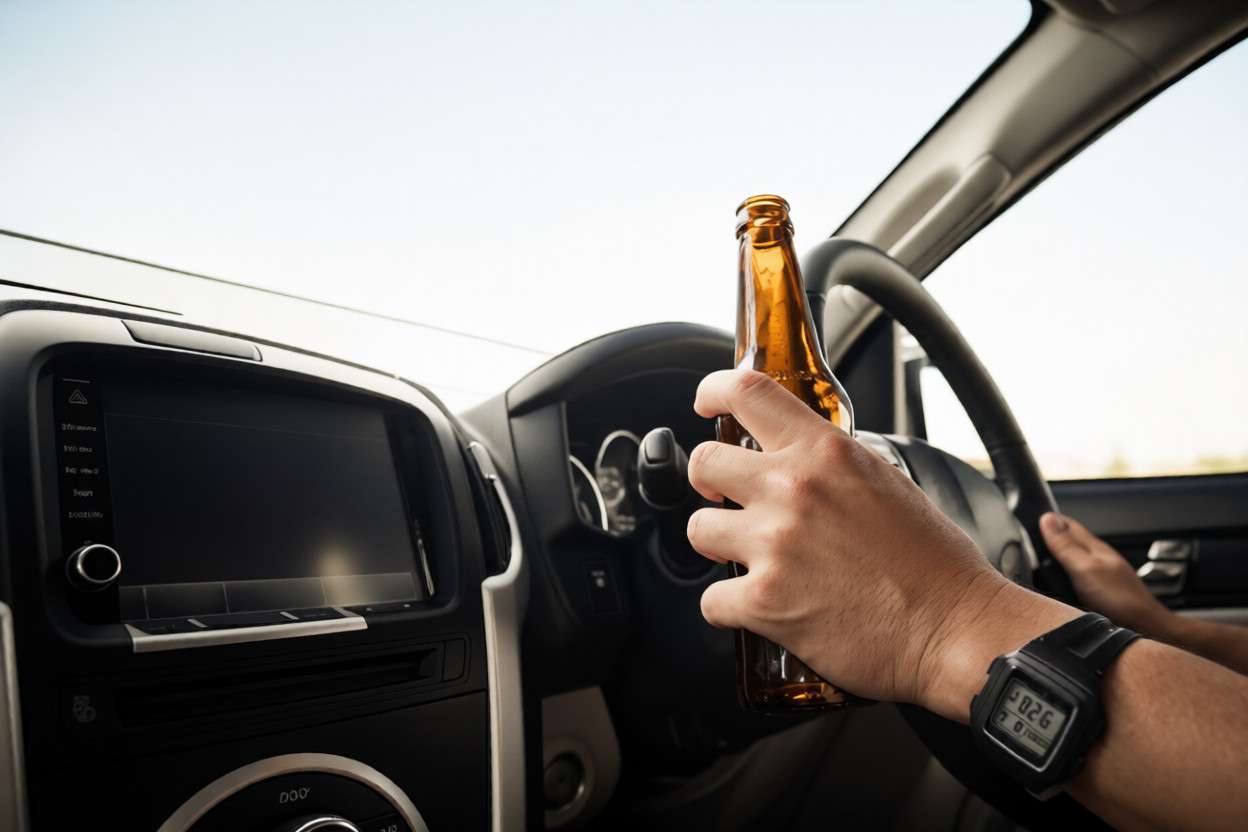
If you’ve been arrested for your first time DUI in Torrance, California, you’re likely feeling overwhelmed, scared, and uncertain about your future. At Tu Defensor Criminalista, we understand the stress and fear that comes with a first-time DUI arrest. We provide compassionate, aggressive legal representation to defend against first-time DUI charges throughout Torrance and Los Angeles County, helping clients protect their licenses, their records, and their futures.
A first-time DUI arrest doesn’t have to result in a conviction. Many first-time offenders have strong defenses, face questionable evidence, or qualify for alternative sentencing options that minimize consequences. The decisions you make immediately after arrest are critical—from requesting a DMV hearing within 10 days to building a strong defense strategy. We’ve successfully defended hundreds of first-time DUI clients throughout Los Angeles County, achieving dismissals, acquittals, reduced charges, and favorable outcomes that protect our clients from the severe consequences of DUI convictions.
First-time DUI charges in California are prosecuted under California Vehicle Code Section 23152, which prohibits driving under the influence of alcohol or drugs, or driving with a blood alcohol concentration (BAC) of 0.08% or higher.
A “first DUI” means you have no prior DUI convictions within the past 10 years in California or any other state. According to the California Department of Motor Vehicles[1], California uses a 10-year “lookback period” for DUI convictions. Prior DUI arrests that didn’t result in convictions don’t count as prior offenses.
First-time DUI charges typically involve:
First offenses are generally charged as misdemeanors, though prosecutors can charge felonies if DUI incidents cause injuries to others.
California law establishes two separate ways to prove DUI:
Most first-time DUI defendants are charged with both VC 23152(a) and 23152(b) simultaneously.
According to California Legislative Information[2], these statutes apply to all California drivers operating motor vehicles on public roads.
Torrance, a South Bay city in Los Angeles County with a population exceeding 147,000 residents according to the U.S. Census Bureau[3], has extensive roadways where DUI enforcement occurs regularly.
The Traffic Stop – Most first-time DUI arrests begin when officers observe driving patterns suggesting impairment:
Initial Contact – During initial contact, officers observe:
Field Sobriety Tests – Officers typically request voluntary field sobriety tests (FSTs) including:
Many first-time DUI suspects don’t realize FSTs are voluntary in California if you’re over 21 and not on DUI probation. You can politely decline these tests.
Preliminary Alcohol Screening (PAS) – Officers request roadside breath tests using portable devices. For most drivers over 21, PAS tests are voluntary before arrest. Results are used to establish probable cause for arrest.
Arrest and Chemical Testing – If officers believe they have probable cause, they arrest you for DUI. California’s implied consent law requires drivers to submit to blood or breath testing after arrest. According to the California Office of Traffic Safety[6], refusing chemical testing results in automatic license suspension and enhanced penalties.
First-time DUI convictions carry significant penalties, though they’re less severe than penalties for repeat offenses.
First-time DUI convictions typically result in:
Jail Time – 48 hours to 6 months in county jail. Most first-time offenders receive probation without jail time unless aggravating factors exist (high BAC, collision, child passenger, etc.).
Fines and Fees – Base fines of $390 to $1,000, but total costs with penalty assessments typically range from $1,800 to $2,800 or more.
Probation – 3 to 5 years of informal (summary) probation with conditions including:
DUI Program – Completion of a 3-month (30-hour) DUI program for BAC below 0.15%, or 9-month (60-hour) program for BAC of 0.15% or higher. Programs cost $500-$1,800 depending on length and provider.
License Suspension – 6-month suspension with eligibility for restricted license after 30 days (or immediate restricted license with ignition interlock device installation).
Ignition Interlock Device (IID) – California requires installation of IID for minimum periods, or drivers can choose to install IID to avoid hard suspension and obtain restricted licenses immediately.
SR-22 Insurance – Filing of SR-22 certificate proving financial responsibility, typically resulting in dramatically increased insurance rates for 3 years.
Enhanced Penalties for Aggravating Factors
Additional penalties apply when first-time DUI incidents involve:
Separate from criminal proceedings, the California Department of Motor Vehicles[1] imposes administrative license suspension for first-time DUI:
Administrative Per Se (APS) Suspension
You have only 10 days from arrest to request a DMV hearing to contest suspension. Without requesting a hearing, license suspension becomes automatic on the 30th day after arrest.
Beyond direct criminal and DMV penalties, first-time DUI convictions create collateral consequences:
Employment Impact – DUI convictions appear on background checks, potentially affecting:
Insurance Consequences – Insurance rates typically double or triple for 3 years following DUI convictions. Some insurers refuse coverage entirely.
Immigration Status – For non-citizens, DUI convictions can affect naturalization applications, visa renewals, and immigration proceedings. According to the U.S. Citizenship and Immigration Services[7], criminal convictions are considered in immigration matters.
Educational Impact – DUI convictions can affect college admissions, scholarships, student housing, and financial aid eligibility.
Travel Restrictions – Some countries deny entry to individuals with DUI convictions on their records.
First-time DUI charges are defensible. Many arrests involve flawed investigations, unreliable evidence, or violations of constitutional rights.
Officers must have reasonable suspicion of criminal activity to justify traffic stops. If stops lacked legal justification, all subsequent evidence must be suppressed under the Fourth Amendment.
Common illegal stop scenarios:
We file motions to suppress evidence obtained through illegal stops, often resulting in case dismissal.
Field sobriety tests are notoriously unreliable and subject to numerous challenges:
Improper Administration – National Highway Traffic Safety Administration (NHTSA) establishes standardized procedures for FST administration. Officers frequently deviate from proper protocols, invalidating results.
Medical Conditions – Many medical conditions affect FST performance unrelated to alcohol:
Environmental Factors – Test conditions affect performance:
We retain expert witnesses who testify about FST unreliability and factors affecting your performance.
Blood and breath tests are subject to errors and challenges:
Breath Test Challenges
Blood Test Challenges
We retain forensic toxicologists who analyze testing procedures and identify errors.
Rising Blood Alcohol Defense
Alcohol takes time to absorb into your bloodstream after consumption. Your BAC may have been below 0.08% while driving but rose above the legal limit by the time of testing. This “rising BAC” defense is particularly strong when you consumed alcohol shortly before driving and testing occurred 30 minutes to 2 hours after driving stopped.
Prosecutors must prove you drove while intoxicated. If officers didn’t observe you driving, this element may be challengeable:
For VC 23152(a) charges, we challenge whether alcohol actually impaired your driving:
Constitutional violations require suppression of evidence:
First-time DUI defendants often have more options than repeat offenders.
In cases with weak evidence or mitigating circumstances, prosecutors may reduce DUI charges to “wet reckless” (Vehicle Code Section 23103.5 – reckless driving involving alcohol).
Wet reckless benefits include:
However, wet reckless counts as a prior DUI for penalty enhancement if future DUI arrests occur within 10 years.
In rare cases with very weak evidence, we negotiate reductions to “dry reckless” (Vehicle Code Section 23103 – reckless driving without alcohol). Dry reckless doesn’t count as a DUI prior and carries minimal penalties.
While California doesn’t have formal first-time DUI diversion, some counties offer informal diversion or deferred prosecution for defendants with:
Successful completion results in charge dismissal.
Many first-time DUI cases are dismissed through:
The DMV administrative hearing is separate from criminal proceedings and provides a critical opportunity to save your license.
You have only 10 days from arrest to request a DMV hearing. According to the California Department of Motor Vehicles[1], failure to request a hearing results in automatic suspension beginning 30 days after arrest.
DMV hearings determine whether to suspend your license based on:
We represent you at DMV hearings, cross-examining officers and challenging evidence. Winning DMV hearings allows you to keep your license regardless of criminal case outcomes.
If DMV suspends your license, you can obtain restricted licenses by:
Understanding the court process helps first-time defendants navigate the system.
Your first court appearance at the Torrance Courthouse typically occurs 30-45 days after arrest. At arraignment:
We strongly recommend attorney representation at arraignment to protect your rights and begin defense preparation.
Most first-time DUI cases resolve during pretrial proceedings through dismissals, negotiations, or plea agreements.
Discovery – We obtain evidence from prosecutors including:
Motion Practice – We file motions to:
Negotiations – We negotiate with Los Angeles County District Attorney’s Office[8] prosecutors seeking charge reductions, alternative sentencing, or dismissals.
If cases proceed to trial, we provide aggressive representation:
If convictions occur, we advocate for minimal penalties through:
If convicted of first-time DUI, understanding post-conviction requirements and options is important.
Completion of state-licensed DUI programs is mandatory. Programs include education about alcohol effects, DUI laws, and consequences, plus group counseling sessions.
If required to install IID, you must:
Violations (failed tests, tampering, removal) extend IID requirements and can result in additional penalties.
Probation conditions typically include:
Violating probation can result in jail time and additional penalties.
After successfully completing probation, you can petition for expungement under California Penal Code Section 1203.4. Expungement allows you to state you weren’t convicted on most job applications, though DUI remains on your driving record and counts as a prior for 10 years.
First-time DUI convictions can trigger disciplinary proceedings for:
We coordinate criminal defense with professional license protection strategies.
Non-citizens should immediately consult immigration attorneys alongside criminal counsel. While misdemeanor DUI typically doesn’t trigger automatic deportation, convictions affect:
Drivers under 21 face enhanced penalties under California’s Zero Tolerance Law. Any measurable BAC (0.01% or higher) for drivers under 21 triggers:
Active duty military members convicted of DUI face:
The stakes in first-time DUI cases are higher than many people realize. Convictions create permanent criminal records affecting employment, insurance, and numerous life opportunities. Many first-time DUI arrests are defensible, but only with experienced legal representation.
We provide first-time DUI defendants with:
Most first-time DUI defendants without aggravating factors receive probation without jail time. However, judges can impose up to 6 months jail, and some circumstances require mandatory minimum jail sentences. Having an experienced attorney significantly improves chances of avoiding custody.
Not necessarily. You can fight the DMV suspension at administrative hearings. Even if DMV suspends your license, restricted licenses allow driving to work, school, and DUI programs. Installing an ignition interlock device allows unrestricted driving during suspension periods.
Yes. We achieve dismissals through successful suppression motions, insufficient evidence, unreliable testing, or violations of rights. Every case is different, but dismissal is always our primary goal.
Field sobriety tests are voluntary for most drivers over 21. You can politely decline. However, refusal may be noted by officers and prosecutors. There’s no perfect answer, but you have the right to refuse.
Chemical test results over 0.08% don’t guarantee conviction. We challenge testing reliability, procedures, chain of custody, and rising BAC defenses. High BAC results are challengeable with expert testimony.
Attorney fees vary based on case complexity, but investing in experienced representation often saves thousands in the long run by avoiding conviction, reducing charges, or minimizing penalties. Many attorneys offer payment plans.
Yes, DUI convictions appear on criminal background checks permanently unless expunged. Expungement after completing probation allows you to state you weren’t convicted on most job applications.
While you have the right to self-representation, DUI law is complex, and mistakes can result in convictions and maximum penalties. Experienced attorneys know procedures, defenses, and negotiation strategies that significantly improve outcomes.
Wet reckless (VC 23103.5) is reckless driving involving alcohol. It carries reduced penalties compared to DUI but counts as a prior DUI for enhancement purposes. Prosecutors reduce DUI to wet reckless in cases with weaker evidence or mitigating factors.
Most cases take 3-6 months from arrest to resolution, though complex cases or those going to trial can take longer. DMV hearings typically occur within 30-60 days of requesting them.
If you’ve been arrested for first-time DUI in Torrance, California, don’t face these charges alone. The decisions you make now will affect your life for years to come. You have only 10 days to request a DMV hearing, and building a strong defense requires immediate action.
At Tu Defensor Criminalista, we understand that good people make mistakes. A first-time DUI arrest doesn’t define who you are or determine your future. We provide compassionate, aggressive representation for first-time DUI defendants throughout Torrance and Los Angeles County, fighting to protect your license, your record, and your future.
Don’t let one mistake destroy your opportunities. Contact us immediately for experienced legal representation that can make the difference between conviction and a better outcome. We’re available 24/7 to answer your questions, explain your options, and begin building your defense.
Your future is too important to leave to chance. Call now for a confidential consultation and take the first step toward protecting your rights and your future.
Throughout this content, we have referenced statistics, facts, and information from authoritative sources to provide accurate, reliable information about first-time DUI laws, enforcement, and criminal justice in Torrance and California.
Below is a complete list of sources cited in this content:
Attorney Armando Josué Cespedes is rated 5.0 on Avvo, with 34 five-star reviews from clients praising his dedication, professionalism, and results. Many note how his trial skills and attention to detail led to reduced charges or outright dismissals.



 English English
 Español de México English English Español de México
Thank you! We need your help. Would you share your experience on one of these sites?
If you have concerns you wish to address privately
