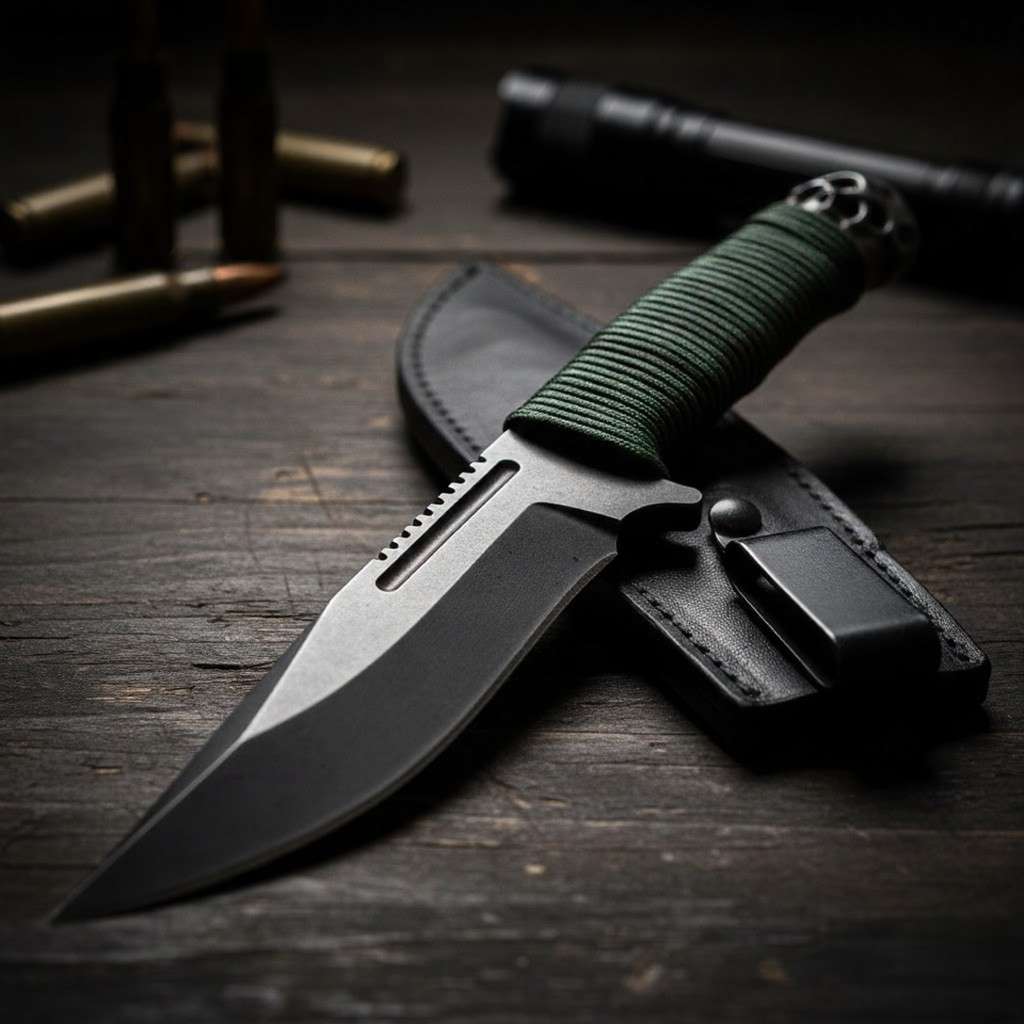
Facing weapon charges in Glendale, California, can be one of the most frightening experiences of your life. California has some of the strictest gun laws and weapon regulations in the United States, and violations can result in severe penalties including lengthy prison sentences, substantial fines, and the permanent loss of your right to own firearms. Whether you’ve been charged with illegal possession of a firearm, carrying a concealed weapon, possession of prohibited weapons, or weapon-related enhancements to other crimes, the stakes couldn’t be higher.
At Tu Defensor Criminalista, we understand that weapon charges often involve complex legal issues, constitutional questions, and factual disputes that require sophisticated legal strategies. Many of our clients are law-abiding citizens who made honest mistakes about California’s complicated weapon laws, while others face charges based on questionable searches, mistaken identity, or circumstances beyond their control. Regardless of your situation, our experienced criminal defense team is committed to providing aggressive, knowledgeable representation that protects your rights, your freedom, and your future.
Free Confidential Consultation: (888) 315-3326 | Available 24/7 | Hablamos Español
California’s weapon laws are among the most comprehensive and restrictive in the nation. The state regulates not only firearms but also various other weapons including knives, clubs, martial arts weapons, and explosive devices. Understanding these laws is the first step in mounting an effective defense against any weapon-related charge you may be facing in Glendale or anywhere throughout Los Angeles County.
Unlike many other states that focus primarily on firearms, California’s weapon laws cast an extraordinarily wide net. The California Penal Code[1] dedicates an entire division to the regulation, control, and prohibition of deadly weapons — encompassing dozens of individual statutes covering everything from handguns and assault weapons to switchblades, brass knuckles, and zip guns.
California’s approach to weapon regulation operates on three distinct levels. First, there are weapons that are completely prohibited — meaning no private citizen may lawfully possess them under any circumstances. Second, there are weapons that are heavily regulated — meaning possession, purchase, transfer, and carrying are all subject to strict legal requirements. Third, there are weapons that are generally lawful to possess but subject to restrictions on how, where, and by whom they may be carried. Violations at any of these three levels can result in serious criminal charges.
Firearms represent the most heavily regulated category of weapons in California. The California Department of Justice[2] oversees an extensive framework governing the purchase, sale, transfer, registration, storage, and carrying of firearms throughout the state.
California maintains a Roster of Handguns Certified for Sale[3], meaning only handgun models that have passed specific safety testing may be sold by licensed dealers in the state. Every firearm purchase in California — including purchases at gun shows and private party transfers — must go through a licensed dealer and include a Department of Justice background check[4]. California also imposes a mandatory 10-day waiting period on all firearm purchases, regardless of whether the buyer already owns firearms or possesses a valid CCW permit.
Under PC 30600[5], California bans the manufacture, distribution, transportation, importation, sale, and possession of assault weapons. The definition of “assault weapon” under California law is technical and fact-specific, encompassing firearms with certain features such as detachable magazines combined with pistol grips, thumbhole stocks, folding or telescoping stocks, grenade launchers, flash suppressors, or forward pistol grips.
Privately manufactured firearms — commonly known as “ghost guns” — have also become a major enforcement priority for California law enforcement. Under legislation that took effect in 2022, it is illegal to possess an unserialized firearm in California. The California Attorney General’s Office[6] has documented a dramatic increase in ghost guns recovered from crime scenes, and law enforcement agencies throughout Los Angeles County aggressively prosecute ghost gun possession cases.
Beyond firearms, California law prohibits possession of numerous other weapons regardless of the circumstances. Many of these prohibitions surprise people who assume only firearms are heavily regulated:
PC 22410[7] — Shurikens (Throwing Stars): Possession of shurikens is a misdemeanor under California law regardless of intent or purpose.
PC 21310[8] — Dirks and Daggers: Carrying a dirk or dagger concealed on your person is a wobbler offense. Unlike firearms, openly carried fixed-blade knives are generally lawful, but concealed carry is prohibited.
PC 21510[9] — Switchblades: Carrying, possessing in a vehicle, selling, or transferring a switchblade knife with a blade two inches or longer is a misdemeanor under California law.
PC 22010[10] — Nunchakus: Possession of nunchakus outside of a martial arts studio or training facility is prohibited, making this one of the more surprising restrictions for martial arts practitioners.
PC 21810[11] — Brass Knuckles: Manufacturing, importing, selling, giving, or possessing metal knuckles is a wobbler offense carrying up to three years in state prison as a felony.
PC 33215[12] — Short-Barreled Rifles and Shotguns: Possession of a rifle with a barrel shorter than 16 inches or a shotgun with a barrel shorter than 18 inches is a wobbler offense carrying up to three years in state prison.
Even weapons that are otherwise lawful to own may not be possessed by certain individuals. California maintains some of the most expansive lists of firearm-prohibited persons in the nation:
Convicted Felons: Under PC 29800[13], any person convicted of a felony in California, any other state, or under federal law is permanently prohibited from owning or possessing firearms — regardless of whether the conviction has been expunged.
Persons Convicted of Certain Misdemeanors: Under PC 29805[14], conviction of specific misdemeanor offenses — including domestic battery, criminal threats, and certain assault offenses — results in a 10-year firearm prohibition. Federal law under 18 U.S.C. § 922(g)(9)[15] imposes a lifetime federal ban for domestic violence misdemeanor convictions.
Persons Subject to Restraining Orders: Active domestic violence restraining orders, criminal protective orders, and civil harassment orders can prohibit firearm possession. Upon issuance of a qualifying protective order, the restrained person is typically required to surrender all firearms immediately under PC 29825[16].
Persons Involuntarily Committed for Mental Health Treatment: Individuals who have been involuntarily committed under Welfare and Institutions Code Section 5150[17] face a five-year firearm prohibition under California law and a potential lifetime federal ban under 18 U.S.C. § 922(g)(4)[15].
California imposes strict regulations on how and where weapons may be carried in public. Carrying a concealed firearm without a valid California CCW permit[18] is prohibited under PC 25400[19]. Even openly carrying a loaded firearm in public is prohibited under PC 25850[20], and PC 26350[21] prohibits openly carrying an unloaded handgun in incorporated cities. This effectively means that in most urban areas of California — including all of Glendale and Los Angeles County — there is no legal way for an ordinary citizen without a CCW permit to carry a firearm in public.
California law also designates numerous specific locations as weapons-free zones where even licensed carriers may not bring firearms. These include school grounds under PC 626.9[22], government buildings, courthouses, public transit facilities, airports, and establishments that primarily serve alcohol.
The sheer complexity of California’s weapon laws means that even responsible, law-abiding gun owners can inadvertently find themselves facing criminal charges. Common situations where innocent mistakes lead to weapon charges include traveling to California from another state with a legally owned firearm that is prohibited here, purchasing a firearm through a private party transfer without completing the required DOJ background check and waiting period, storing a firearm in a locked glove compartment while believing it satisfies California’s transportation requirements — it does not under PC 25610[23] — and carrying a folding knife clipped visibly to a pocket in a way that exposes the blade, which can be interpreted as carrying a concealed dirk or dagger.
If you have been charged with any weapon offense in Glendale or Los Angeles County — whether involving a firearm, a knife, or any other prohibited weapon — the complexity of California’s weapon laws makes experienced legal representation absolutely essential. At Tu Defensor Criminalista, we have a thorough command of these laws and use that knowledge to build the strongest possible defense for every client we represent.
California law divides firearms into several categories, each with different regulations:
Los Angeles County, where Glendale is located, prosecutes thousands of weapon-related offenses each year. The most common weapon crimes we defend include:
The consequences of weapon crime convictions in California can be devastating and life-altering, varying based on the specific offense, your criminal history, and aggravating factors.
Some weapon violations are charged as misdemeanors, including:
Misdemeanor penalties can include:
Many weapon crimes are charged as felonies, including:
Felony penalties can include:
California’s 10-20-Life “Use a Gun and You’re Done” law[31] adds mandatory prison time when firearms are used in serious felonies:
These enhancements are added to the underlying sentence and must be served in state prison.
Some weapon offenses violate federal law and can be prosecuted in federal court, including:
Federal sentences are often more severe than state sentences and require service of at least 85% of the imposed term.
Beyond criminal penalties, weapon convictions create lasting consequences:
Understanding the local context of weapon crimes helps inform effective defense strategies.
According to the California Department of Justice’s OpenJustice database[34], firearms are involved in a significant portion of violent crimes in California. Los Angeles County, which includes Glendale, reports thousands of firearm-related incidents annually, including homicides, assaults, and robberies.
The Glendale Police Department[35] works actively to prevent gun violence and enforce weapon laws throughout the city. Glendale’s diverse neighborhoods, commercial districts, and proximity to other Los Angeles County communities create unique law enforcement challenges.
Law enforcement in Glendale prioritizes several weapon-related enforcement areas:
California’s weapon laws continue to evolve. Recent changes include:
These constantly changing laws create confusion for gun owners and opportunities for prosecution. Many people charged with weapon crimes had no intention of breaking the law but ran afoul of complex regulations they didn’t fully understand.
Weapon charges are defensible. Numerous legal strategies can result in dismissed charges, reduced penalties, or acquittal at trial.
The Fourth Amendment protects against unreasonable searches and seizures. Many weapon cases involve searches of vehicles, homes, or persons. If police violated your constitutional rights, evidence can be suppressed, often leading to case dismissal.
Common Fourth Amendment issues in weapon cases:
To convict you of most weapon crimes, prosecutors must prove you knowingly possessed the weapon. Defense strategies include:
Lack of Knowledge: You didn’t know the weapon was present. This commonly applies when:
Lack of Possession: Mere proximity to a weapon isn’t enough. Prosecutors must prove you had control over it, either actual possession (on your person) or constructive possession (ability to control it). If multiple people had access to where the weapon was found, proving you possessed it can be challenging.
Momentary Possession: You possessed the weapon only momentarily for a lawful purpose, such as securing it or preventing harm.
California issues permits for carrying concealed weapons (CCW) in some circumstances. If you had a valid permit, charges should be dismissed. We verify:
California law allows transportation of firearms in specific circumstances without permits. Penal Code Section 25610[36] and related statutes permit transporting firearms when:
If your conduct fell within these exceptions, charges should be dismissed.
Some items alleged to be weapons don’t meet legal definitions. We carefully examine whether the item you possessed actually qualifies as a prohibited weapon under California law.
When charged with possession of an unregistered firearm, defenses may include:
In some brandishing or weapon use cases, you may have acted in lawful self-defense. California law allows reasonable use of force to defend yourself or others from imminent harm.
Some weapon offenses require specific intent. For example, brandishing requires displaying a weapon in a threatening manner. If you didn’t intend to threaten anyone, you shouldn’t be convicted.
In cases involving witness identification, particularly in chaotic situations, we challenge:
If police lacked probable cause to arrest you or reasonable suspicion to detain you, evidence obtained afterward may be suppressed.
When cases involve testing of weapons or ammunition, we scrutinize:
Some weapon offenses have time limits for prosecution. If charges are filed after the statute of limitations expired, they must be dismissed.
In rare cases involving undercover operations or informants, you may have been entrapped—induced by law enforcement to commit a crime you weren’t predisposed to commit.
Understanding the criminal justice process helps you navigate this challenging time with greater confidence.
Weapon crime cases typically begin in one of several ways:
When arrested for weapon crimes in Glendale, you’ll typically be:
Weapon charges often result in higher bail amounts due to safety concerns.
Your first court appearance is the arraignment, where you’ll be:
Weapon cases in Glendale are typically heard at the Glendale Courthouse, located at 600 East Broadway, or at other Los Angeles County Superior Court locations depending on the specific charges and court scheduling.
Having an attorney at arraignment is crucial. We can argue for reduced bail, begin negotiating with prosecutors, and start building your defense immediately.
The pre-trial phase includes:
Discovery: Both sides exchange evidence, including:
Motion Practice: We file motions to:
Preliminary Hearing: For felony charges, the prosecution must demonstrate probable cause at a preliminary hearing. This provides an opportunity to:
Plea Negotiations: We negotiate with prosecutors to:
If your case proceeds to trial, you have the right to:
Tu Defensor Criminalista has extensive trial experience and will aggressively advocate for you throughout the trial process.
If convicted or if you accept a plea agreement, sentencing considers:
We advocate for the most favorable sentence possible, which may include:
One of the most serious aspects of California weapon law is sentence enhancements—additional prison time added to sentences when weapons are involved in other crimes.
PC 12022.5: Adds 3, 4, or 10 years (depending on the offense) for personally using a firearm during commission of a felony.
PC 12022.53: The “10-20-Life” enhancement applies to serious felonies:
PC 12022(a)(1): Adds one year for being armed with a deadly weapon during commission of a felony.
PC 12022.3: Adds 1-4 years for being armed during commission of specified sex offenses.
Weapon enhancements can add decades to prison sentences, making aggressive defense critical. We fight enhancements by:
Recent changes to California law give judges more discretion to strike weapon enhancements in the interests of justice, creating additional opportunities for favorable outcomes.
Certain weapon crime situations require specialized approaches.
Felon in possession charges under PC 29800 are aggressively prosecuted because they involve individuals legally prohibited from having firearms. However, these cases are defensible:
Challenge the Prior Conviction: We examine whether the prior conviction actually qualifies as a felony that prohibits firearm possession. Some convictions:
Challenge Possession: As with other weapon crimes, prosecutors must prove you knowingly possessed the firearm.
Constitutional Challenges: In some circumstances, we can challenge whether firearm prohibitions violate constitutional rights.
California law prohibits individuals subject to domestic violence restraining orders from possessing firearms. When arrested for domestic violence, police often search for and seize weapons. These cases involve:
When weapons are allegedly connected to gang activity, prosecutors aggressively pursue charges and enhancements. These cases often involve:
When minors are charged with weapon crimes, cases proceed through juvenile court with different procedures and philosophies. The juvenile system focuses more on rehabilitation, but serious weapon offenses can result in:
According to the California Courts[37], juvenile proceedings emphasize rehabilitation and family involvement while still holding young people accountable.
Some conduct violates both federal and state law. Federal prosecution may occur when cases involve:
Federal sentences are often harsher, and federal court procedures differ significantly from state court.
Glendale’s unique characteristics create particular dynamics for weapon crime cases.
The Glendale Police Department employs various strategies to detect and prevent weapon crimes:
Glendale is one of California’s most diverse cities, with significant Armenian, Latino, and Asian populations. This diversity creates both opportunities and challenges:
At Tu Defensor Criminalista, we provide bilingual services in English and Spanish and understand the cultural dynamics affecting our clients’ cases.
Glendale’s location in Los Angeles County means:
Glendale’s proximity to Los Angeles proper means residents may face charges in multiple jurisdictions. Weapons transported between cities can trigger prosecution in different locations, and coordinated law enforcement efforts may involve multiple agencies.
Many clients ask whether they can ever own firearms again after a weapon conviction. The answer depends on the specific offense and conviction type.
California law imposes firearm prohibitions for:
Options for restoring firearm rights include:
The process is complex and requires experienced legal guidance.
If you’ve been arrested or are under investigation for weapon crimes, your immediate actions can significantly impact your case outcome.
Even if you believe the arrest is unjust, don’t physically resist. Resistance can result in additional charges and won’t help your defense. Remain calm and compliant while asserting your rights verbally.
As soon as possible:
Avoid discussing your case with anyone except your attorney:
Weapon crimes are serious, complex charges requiring sophisticated defense strategies. The sooner you have experienced representation, the better your chances of a favorable outcome.
At Tu Defensor Criminalista, we bring extensive experience, thorough preparation, and unwavering commitment to every weapon crime case we handle.
We conduct independent investigations that may include:
We analyze every aspect of your case to identify:
We leverage our experience and knowledge to negotiate:
When cases proceed to trial, we provide:
We understand you’re facing one of the most stressful experiences of your life. We provide:
We consider all aspects of your case:
Politely but clearly state that you do not consent to the search. Don’t physically interfere, but make your lack of consent known. If police search anyway, your attorney can later challenge whether they had legal justification.
Yes. Many California weapon laws apply regardless of whether firearms are loaded. Carrying a concealed unloaded firearm is still illegal without a permit.
Lack of knowledge is a defense to weapon possession charges. If someone else placed a weapon in your vehicle without your knowledge, you shouldn’t be convicted. However, prosecutors may be skeptical, so having an attorney who can present evidence supporting your claim is crucial.
Sometimes. Depending on the circumstances, prosecutors may agree to reduce weapon charges to lesser offenses as part of a plea agreement. This often happens when evidence is weak, constitutional issues exist, or mitigating factors are present.
If convicted of a felony or certain misdemeanors, you’ll be prohibited from possessing firearms and must surrender your collection. Weapons are typically sold through licensed dealers or transferred to qualified family members.
Not necessarily. Many first-time weapon offenders receive probation, especially for less serious charges. However, some offenses carry mandatory minimum sentences. Your specific outcome depends on the charges, circumstances, and your criminal history.
Potentially. Under California Penal Code Section 1203.4, you may be eligible for expungement after successfully completing probation. However, expungement doesn’t automatically restore gun rights for all offenses.
California doesn’t recognize CCW permits from other states. If you’re visiting California with a firearm, you must comply with California law regarding transportation and storage, regardless of permits you hold elsewhere.
While you have the right to represent yourself, it’s strongly inadvisable. Weapon laws are complex, penalties are severe, and prosecutors are experienced attorneys. Professional representation significantly improves your chances of a favorable outcome.
State charges are prosecuted by the Los Angeles County District Attorney’s Office in state court, while federal charges are prosecuted by the U.S. Attorney’s Office in federal court. Federal sentences are often harsher, and federal court procedures differ significantly. Some conduct violates both state and federal law.
Case duration varies widely depending on complexity, whether you go to trial, court scheduling, and other factors. Misdemeanor cases may resolve in a few months, while complex felony cases can take a year or more.
Non-citizens facing weapon charges should immediately consult both a criminal defense attorney and an immigration attorney. Many weapon offenses have severe immigration consequences, including deportation. Protecting your immigration status must be a priority in defense strategy.
If you’ve been served with a Weapon Crimes in Glendale, time is running out. Don’t face this crisis alone. Contact Tu Defensor Criminalista immediately for a free, confidential consultation about your case.
Attorney Armando Josué Cespedes is rated 5.0 on Avvo, with 34 five-star reviews from clients praising his dedication, professionalism, and results. Many note how his trial skills and attention to detail led to reduced charges or outright dismissals.



 English English
 Español de México English English Español de México
Thank you! We need your help. Would you share your experience on one of these sites?
If you have concerns you wish to address privately
