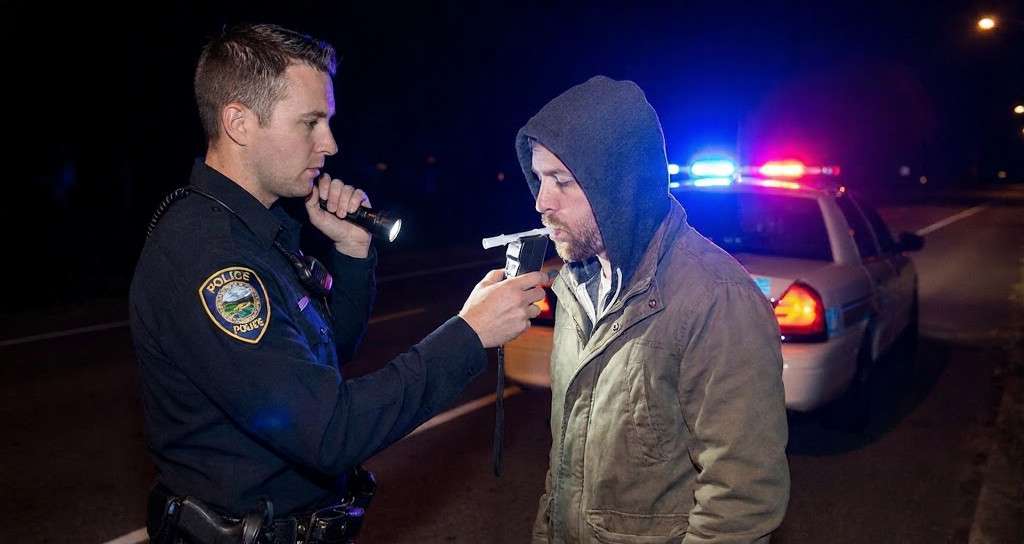
Being arrested for DUI for the first time can be a terrifying and confusing experience. You may have never been in trouble with the law before, and suddenly you’re facing criminal charges, potential jail time, license suspension, and a criminal record that could follow you for years. If you’ve been arrested for your first DUI in Palmdale, California, you need to understand that this is a serious matter that requires immediate action and experienced legal representation.
At Tu Defensor Criminalista, we understand the anxiety and uncertainty you’re experiencing right now. We also know that being arrested for DUI doesn’t define who you are. Many good, responsible people make mistakes or find themselves in situations where their judgment was impaired. What matters now is how you respond to these charges and what steps you take to protect your future.
Located in northern Los Angeles County, Palmdale is home to approximately 169,000 residents and serves as a major hub for the Antelope Valley region. With the Antelope Valley Freeway (State Route 14) running through the heart of the city and connecting commuters to Los Angeles, Santa Clarita, and beyond, traffic enforcement is a priority for local law enforcement. The California Highway Patrol[1] and Los Angeles County Sheriff’s Department Palmdale Station actively patrol the area, conducting DUI checkpoints and traffic stops that result in hundreds of arrests each year.
If you’ve been arrested for first time DUI in Palmdale, you need an experienced criminal defense attorney who knows the local court system, understands California DUI law, and has a proven track record of achieving favorable outcomes for clients. Our firm regularly represents clients at the Antelope Valley Courthouse in Lancaster, where your case will be prosecuted, and we’re ready to fight for your rights from day one.
Free Confidential Consultation: (888) 315-3326 | Available 24/7 | Hablamos Español
In California, driving under the influence is defined under California Vehicle Code Section 23152[2]. There are several different ways the prosecution can charge DUI, and understanding these distinctions is important to building your defense.
Under VC 23152(a), it is illegal to drive a vehicle while under the influence of alcohol. This means that the prosecution must prove you were impaired by alcohol to the point that you could no longer drive with the caution of a sober person using ordinary care. Importantly, there is no specific blood alcohol concentration (BAC) requirement for this charge—the prosecution only needs to prove impairment, which they typically attempt to do through officer observations, field sobriety tests, and your driving behavior.
Under VC 23152(b), it is illegal to drive with a blood alcohol concentration of 0.08% or higher. This is known as a “per se” DUI, meaning that if your BAC tested at or above 0.08%, you can be convicted regardless of whether you appeared impaired. According to the National Highway Traffic Safety Administration[3], all 50 states have adopted the 0.08% BAC limit as the legal threshold for DUI.
In most first time DUI arrests in Palmdale, you’ll be charged with both VC 23152(a) and VC 23152(b). These are not separate offenses—they’re two different legal theories for the same conduct. You can only be convicted and punished for one count, but prosecutors charge both to give themselves the best chance of securing a conviction.
California also prohibits driving under the influence of drugs under VC 23152(f). This applies to illegal drugs, prescription medications, over-the-counter drugs, and marijuana. With California’s legalization of recreational marijuana, drug DUI arrests have become increasingly common throughout Palmdale and Los Angeles County.
Unlike alcohol DUI, there is no specific legal limit for drug impairment. The prosecution must prove that you had a drug in your system and that the drug impaired your ability to drive safely. This is typically established through blood testing and testimony from Drug Recognition Experts (DREs).
A first time DUI means you have no prior DUI convictions within the past 10 years. California uses a 10-year “lookback period” to determine how many prior DUI offenses you have. This lookback period includes:
If you have a prior DUI conviction that is more than 10 years old, it will not count for sentencing purposes on a new DUI charge. However, it can still be used as evidence of a pattern of behavior and may affect the prosecutor’s willingness to negotiate a favorable plea agreement.
Understanding what happened during your arrest—and what happens next—is crucial to building your defense. Here’s what typically occurs during a first time DUI arrest in Palmdale:
Most DUI arrests begin with a traffic stop. Under the Fourth Amendment of the U.S. Constitution, police officers must have reasonable suspicion that you’ve violated a traffic law before they can legally stop your vehicle. Common reasons for traffic stops in Palmdale include:
In Palmdale, police frequently patrol areas with high concentrations of bars and restaurants, including downtown Palmdale along Palmdale Boulevard, the Antelope Valley Mall area, and entertainment districts near Sierra Highway. According to the California Office of Traffic Safety[4], Los Angeles County consistently reports thousands of DUI arrests annually, with significant enforcement in the Antelope Valley region.
Once the officer pulls you over and makes contact, they’ll look for signs of intoxication, including:
The officer will likely ask you questions such as “Have you been drinking tonight?” or “How much have you had to drink?” You should know that you have the right to politely decline to answer these questions. While you must provide your license, registration, and proof of insurance, you are not required to answer potentially incriminating questions.
If the officer suspects you’re under the influence, they’ll ask you to perform field sobriety tests (FSTs). The three standardized tests approved by the National Highway Traffic Safety Administration[5] are:
These tests are designed to assess your balance, coordination, and ability to follow instructions. However, they are subjective and can be affected by many factors unrelated to alcohol consumption, including:
It’s important to understand that field sobriety tests are voluntary for drivers over age 21 in California. You can politely refuse to perform these tests without automatic legal consequences, though officers may view refusal as a sign of guilt.
Before arrest, the officer may ask you to take a preliminary alcohol screening (PAS) test using a portable breathalyzer device. For drivers over 21 who are not on DUI probation, this test is also voluntary. The officer is supposed to inform you that the test is voluntary, though they don’t always do so clearly.
There are strategic reasons you might want to refuse the PAS test—most notably, it prevents the officer from using a BAC reading as probable cause to arrest you. However, refusal may lead to arrest based on other factors, and you’ll still need to take a chemical test after arrest.
If the officer determines there is probable cause to believe you’re driving under the influence, you’ll be arrested and taken to the Palmdale Sheriff’s Station (located at 750 E. Avenue Q) or another facility for chemical testing. At this point, you must submit to a chemical test under California’s “implied consent” law.
You’ll typically be given a choice between a breath test or blood test. Each has advantages and disadvantages:
If you refuse to take a chemical test after arrest, you’ll face enhanced penalties including an automatic 1-year license suspension from the California Department of Motor Vehicles[6], mandatory 48 hours in jail if convicted, and the refusal can be used as evidence of consciousness of guilt at trial.
After testing, you’ll be booked into custody, which involves taking your photograph, fingerprints, and personal information. For a first time DUI without aggravating factors (such as a very high BAC, accident, or injuries), you’ll typically be released on your own recognizance within a few hours with a citation requiring you to appear in court.
The arresting officer will confiscate your driver’s license and provide you with a temporary license that’s valid for 30 days. This temporary license also serves as notice of the DMV’s intent to suspend your driving privileges.
A first time DUI is typically charged as a misdemeanor in California. The potential penalties are significant and include both criminal court consequences and administrative DMV penalties.
If convicted of first time DUI in California, you face the following penalties:
Certain circumstances can result in enhanced penalties even on a first offense:
Separate from the criminal court case, the California DMV will administratively suspend your license[8] if you were arrested with a BAC of 0.08% or higher or if you refused chemical testing.
For a first time DUI offense:
The DMV hearing is separate from your criminal case and presents an important opportunity to challenge the suspension and potentially keep your license.
Beyond the immediate penalties, a first time DUI conviction can have lasting effects on your life:
Many people arrested for DUI don’t realize they have important legal rights that must be protected. Understanding these rights is the first step in building a strong defense.
You have the Fifth Amendment right to remain silent and not incriminate yourself. This applies during the traffic stop, after arrest, and throughout your case. You should be polite and cooperative with officers, but you do not have to answer questions about where you’ve been, whether you’ve been drinking, or how much you’ve consumed.
You have the Sixth Amendment right to have an attorney represent you. For a first time DUI, you should exercise this right immediately. An experienced DUI defense attorney can protect your rights, investigate your case, negotiate with prosecutors, and fight for the best possible outcome.
The Fourth Amendment protects you against unreasonable searches and seizures. If the officer did not have reasonable suspicion to stop your vehicle or probable cause to arrest you, any evidence obtained may be suppressed (excluded from court).
You have the right to request a DMV administrative hearing to challenge your license suspension. This hearing must be requested within 10 days of your arrest. The hearing provides an opportunity to challenge the suspension and obtain valuable discovery about the prosecution’s case.
If your case goes to trial, you have the right to have your guilt or innocence determined by a jury of your peers. The prosecution must prove every element of the offense beyond a reasonable doubt—the highest burden of proof in the American legal system.
Just because you were arrested for DUI doesn’t mean you will be convicted. There are numerous defenses and strategies that an experienced attorney can use to fight your charges or minimize the consequences.
If the officer did not have reasonable suspicion to stop your vehicle, all evidence obtained after the illegal stop can be suppressed. Common issues with traffic stops include:
We carefully review police reports, dash cam footage, and body camera recordings to identify any constitutional violations.
Field sobriety tests are inherently subjective and unreliable. We investigate:
In many Palmdale DUI arrests, field sobriety tests are conducted on the side of busy roads like the Antelope Valley Freeway or at poorly lit locations, creating conditions that unfairly prejudice the results.
Breath and blood tests can be challenged based on numerous factors:
We obtain all calibration records, maintenance logs, and testing documentation to identify potential weaknesses in the prosecution’s chemical test evidence.
Alcohol takes time to absorb into your bloodstream. If you consumed alcohol shortly before driving, your BAC may have been below 0.08% while you were actually driving but rose above the legal limit by the time you were tested. This is known as the “rising BAC defense” and can be supported by expert testimony about alcohol absorption and elimination rates.
Even if the traffic stop was valid, the officer must have had probable cause to arrest you for DUI. If the evidence was weak—for example, if you performed well on field sobriety tests, didn’t show obvious signs of impairment, and had a low BAC—we can argue the arrest was not supported by probable cause.
Many medical conditions and circumstances can mimic signs of intoxication:
For Palmdale residents who work long commutes to Los Angeles or work night shifts at local employers like Northrop Grumman or Amazon, fatigue can be a legitimate explanation for driving behavior and FST performance.
In many first time DUI cases, we can negotiate with prosecutors to reduce the charges to a lesser offense, such as:
Our relationships with prosecutors at the Antelope Valley Courthouse and our reputation for thorough preparation give us leverage in these negotiations.
One of the most important aspects of fighting a first time DUI is the DMV administrative hearing. This hearing is your opportunity to challenge the automatic license suspension and potentially keep your driving privileges.
You must request a DMV hearing within 10 days of your arrest. This deadline is strictly enforced—if you miss it, your license will automatically be suspended 30 days after your arrest, and you’ll lose your opportunity to challenge the suspension.
When you hire Tu Defensor Criminalista, we immediately request the DMV hearing on your behalf and request a “stay” of the suspension, which allows you to continue driving until the hearing takes place.
DMV hearings for Palmdale residents are typically conducted by telephone or at the Lancaster Driver Safety Office. A hearing officer (not a judge) will determine whether:
The standard of proof at a DMV hearing is “preponderance of the evidence” (more likely than not), which is lower than the “beyond a reasonable doubt” standard in criminal court.
Even if you don’t win your DMV hearing, there are significant benefits to requesting and attending one:
If your license is suspended, you may be eligible for a restricted license that allows you to drive to and from work, school, and DUI program classes. Under California’s Ignition Interlock Device (IID) pilot program[10], first-time offenders can obtain an IID-restricted license that allows unrestricted driving (to anywhere) with an IID installed.
For Palmdale residents who rely on their vehicles to commute to work—particularly those traveling to Los Angeles, Santa Clarita, or other distant employment centers—a restricted license can mean the difference between keeping your job and losing it.
Palmdale’s unique geographic and economic characteristics create specific challenges for residents dealing with DUI charges.
Palmdale covers approximately 106 square miles of the high desert region of northern Los Angeles County. According to U.S. Census Bureau[11] data, the vast majority of Palmdale residents commute by personal vehicle, with limited public transportation options.
The Antelope Valley Transit Authority[12] operates bus service throughout Palmdale and Lancaster, but service is limited compared to urban areas like Los Angeles. Routes primarily serve major corridors, and many residential and employment areas are not easily accessible by public transit.
For residents who work in aerospace, manufacturing, retail, or service industries—the primary employment sectors in Palmdale—losing your license can create severe hardship. Major employers in the area include Northrop Grumman, Lockheed Martin, Amazon, and various government contractors, many of which require reliable transportation.
First time DUI cases from Palmdale are prosecuted at the Antelope Valley Courthouse, located at 42011 4th Street West in Lancaster. This courthouse serves all of northern Los Angeles County, handling criminal cases from Palmdale, Lancaster, Quartz Hill, and surrounding communities.
Understanding the local court’s procedures, the specific judges who hear DUI cases, and the negotiating styles of deputy district attorneys is essential to achieving favorable outcomes. Our firm regularly appears at the Antelope Valley Courthouse and has established working relationships with court personnel and prosecutors.
DUI enforcement in Palmdale is conducted primarily by:
According to California Office of Traffic Safety[4] statistics, Los Angeles County reports thousands of DUI arrests annually, with significant numbers in the Palmdale-Lancaster area. High-enforcement areas include the Antelope Valley Freeway corridor, Palmdale Boulevard, Avenue S, and entertainment districts.
A DUI arrest or conviction can significantly impact your employment, particularly in Palmdale’s primary industries.
Palmdale’s economy is heavily dependent on aerospace and defense contractors. Major employers like Northrop Grumman, Lockheed Martin, and Boeing require security clearances for many positions. A DUI conviction can affect:
According to the U.S. Bureau of Labor Statistics[13], aerospace and defense employment represents a significant portion of Antelope Valley jobs, making the employment consequences of DUI particularly serious for local residents.
If you hold a commercial driver’s license (CDL), a DUI conviction has severe consequences even if you were driving your personal vehicle at the time of the offense. Federal regulations require:
For truck drivers, delivery drivers, and others who depend on a CDL for their livelihood, this makes a DUI particularly devastating.
Even if you don’t work in aerospace or commercial driving, a DUI can affect employment in other ways:
Palmdale has a large and diverse immigrant community. According to U.S. Census Bureau[11] data, a significant percentage of Palmdale residents are foreign-born or have family members with non-citizen status.
For non-citizens, a DUI conviction can have serious immigration consequences:
While a simple first-time DUI without aggravating factors is generally not considered a deportable offense under U.S. Citizenship and Immigration Services[14] guidelines, it can still create complications, particularly for individuals with prior criminal history or those seeking immigration benefits.
At Tu Defensor Criminalista, we understand the unique concerns of immigrant clients and work to minimize or eliminate immigration consequences whenever possible. This may include negotiating for specific plea agreements that avoid immigration triggers or fighting for dismissal of the charges entirely.
If you’re under 21 years old, California law imposes even stricter standards.
California’s “Zero Tolerance” law makes it illegal for drivers under 21 to drive with a BAC of 0.01% or higher. This is not a criminal charge but an administrative violation that results in a 1-year license suspension.
If you’re under 21 and have a BAC of 0.05% to 0.07%, you can be charged with underage DUI under VC 23140. Penalties include:
If you’re under 21 with a BAC of 0.08% or higher, you’ll be charged with standard DUI under VC 23152, with all the same penalties as adult offenders, plus an additional 1-year license suspension from the DMV for violating the Zero Tolerance law.
For young Palmdale residents attending Antelope Valley College or commuting to California State University campuses, a DUI can affect financial aid eligibility, academic standing, and future career prospects.
Sobriety checkpoints are a common law enforcement tool in California. The California Highway Patrol[1] and Los Angeles County Sheriff’s Department regularly conduct DUI checkpoints throughout Palmdale, particularly during holiday weekends and special enforcement periods.
Common checkpoint locations in the Palmdale area include:
While checkpoints must meet certain constitutional requirements, they are generally legal in California. However, there are defenses specific to checkpoint arrests, including:
When you’re facing DUI charges, the attorney you choose can make all the difference in the outcome of your case.
Our firm focuses exclusively on criminal defense, with particular emphasis on DUI cases. This focused practice means we stay current on changes in DUI law, scientific developments in chemical testing, and effective defense strategies.
We regularly appear in the Antelope Valley Courthouse and have developed strong professional relationships with judges, prosecutors, and court staff. We understand local procedures, know which arguments resonate with local decision-makers, and have a track record of success in this courthouse.
We investigate every aspect of your case, including:
We don’t just handle your criminal case—we fight to protect your license through the DMV administrative hearing process. We request hearings, obtain discovery, and cross-examine officers to build the strongest possible defense.
When you hire our firm, you work directly with an experienced attorney, not a paralegal or case manager. We take time to understand your unique situation, answer your questions, and keep you informed throughout the process.
We proudly serve Palmdale’s diverse community with fluent Spanish and English language services. All members of our team are bilingual, ensuring clear communication and culturally sensitive representation.
Our firm has achieved favorable outcomes in hundreds of DUI cases, including:
If you’ve recently been arrested for first time DUI in Palmdale, taking immediate action is critical.
You have only 10 days from the date of arrest to request a DMV hearing. Don’t miss this deadline. When you hire us, we immediately request the hearing and obtain a stay of your suspension.
Collect all documents related to your arrest, including:
Write down everything you remember about the arrest while it’s fresh in your mind:
Do not discuss your case with anyone except your attorney. Don’t post on social media, don’t talk to friends or family about the details, and certainly don’t speak to police or prosecutors without your attorney present.
The sooner you have an attorney working on your case, the better your chances of a favorable outcome. Contact Tu Defensor Criminalista today for a free, confidential consultation.
Palmdale is a vibrant, growing city with a rich history. Incorporated in 1962, the city has grown from a small agricultural community to become the 32nd most populous city in California. Located in the high desert region of the Antelope Valley, Palmdale sits at approximately 2,700 feet elevation at the western edge of the Mojave Desert.
The city’s name comes from the Spanish “Palmdale” or “Valley of the Palms,” though native Joshua trees are more common than palm trees in the area. According to U.S. Census Bureau[11] statistics, Palmdale has a population of approximately 169,000, making it one of the largest cities in Los Angeles County by area.
Palmdale’s economy is heavily influenced by aerospace and defense industries, with proximity to Edwards Air Force Base and Air Force Plant 42 making it a center for aerospace testing and manufacturing. The city also has growing retail, healthcare, and service sectors.
The climate is characterized by hot, dry summers with temperatures often exceeding 100°F, and cool winters with occasional frost. According to National Weather Service[15] data, Palmdale receives minimal rainfall, averaging only about 6 inches annually.
Palmdale is ethnically diverse, with significant Hispanic/Latino, White, African American, and Asian populations. The city is home to many working families, with a median household income below the California state average.
For a first time DUI without aggravating factors (high BAC, accident, injuries, refusal), jail time is often not imposed, especially if you have no prior criminal record. However, the law allows up to 6 months in county jail, and prosecutors may seek jail time in cases with aggravating circumstances. An experienced attorney can often negotiate to avoid jail entirely or substitute alternative sentencing such as community service or house arrest.
The total cost of a first time DUI conviction typically ranges from $10,000 to $15,000 or more when you include all expenses: fines and penalty assessments ($3,500-$5,000), DUI school ($500-$800), increased insurance rates (thousands over several years), DMV fees, ignition interlock device installation and monitoring ($1,000+), and potential lost wages. Hiring an attorney to fight the charges or negotiate a reduction can save you significantly compared to simply pleading guilty.
Yes, in many cases, particularly when there are weaknesses in the prosecution’s case or mitigating circumstances, we can negotiate for a reduced charge such as wet reckless (VC 23103.5) or dry reckless (VC 23103). These reductions result in less severe penalties, shorter probation periods, and less impact on your record. The possibility of a reduction depends on factors like your BAC level, driving behavior, field sobriety test performance, and any issues with the traffic stop or testing procedures.
A DUI conviction remains on your criminal record permanently unless you successfully petition for expungement. The conviction will also remain on your DMV record for 10 years, meaning it will count as a prior offense if you’re arrested for DUI again within that time. However, after completing your probation, you may be eligible to have the conviction expunged under California Penal Code 1203.4, which can help with employment and housing applications.
Your first court appearance is called an arraignment. At the arraignment, you’ll be formally advised of the charges against you, your rights will be explained, and you’ll enter a plea (usually not guilty). If you’ve hired an attorney, they can appear on your behalf for most misdemeanor arraignments so you don’t have to miss work. The judge will also set future court dates and may address bail or release conditions.
While you have the legal right to represent yourself, it is strongly discouraged. DUI cases involve complex legal issues, scientific evidence, and procedural rules that are difficult for non-attorneys to navigate. An experienced DUI attorney understands the law, knows how to challenge evidence, has relationships with prosecutors, and can achieve outcomes that would be impossible for someone representing themselves. The consequences of a DUI conviction are too serious to handle without professional representation.
A “wet reckless” is a reduced charge under Vehicle Code Section 23103.5. It is reckless driving with the notation that alcohol was involved. A wet reckless is significantly better than a DUI because it carries: lower fines, shorter DUI school (usually 12 hours instead of 3-9 months), shorter probation (1-2 years instead of 3-5 years), no mandatory license suspension (though the DMV may still impose an administrative suspension), and less stigma on your record. However, a wet reckless still counts as a prior offense for DUI purposes.
Yes, insurance companies will discover your DUI conviction. If convicted, you’ll likely be required to file an SR-22 form (proof of financial responsibility) with the DMV, and your insurance company will be notified. This typically results in dramatically increased insurance premiums for at least three years. Some insurance companies may cancel your policy altogether. However, if we can get your charges dismissed or reduced to a dry reckless (VC 23103 without alcohol notation), insurance consequences may be minimal.
Potentially yes. California offers restricted licenses for first-time DUI offenders. You may be eligible for an IID-restricted license that allows you to drive anywhere with an ignition interlock device installed in your vehicle. Alternatively, you may be able to obtain a restricted license after serving part of your suspension that allows you to drive to and from work, DUI school, and other necessary destinations. Your attorney can help you navigate the process of obtaining a restricted license.
This is a common defense scenario. Fatigue, prescription medications, medical conditions, and other factors can mimic signs of intoxication. If you had a low BAC or tested for drug presence but weren’t actually impaired, we can challenge the prosecution’s case by presenting evidence of alternative explanations for your behavior and performance on field sobriety tests. Expert testimony may be necessary to explain how certain medications or conditions affected you.
Once you’ve been arrested, refusing a chemical test triggers serious consequences: automatic 1-year license suspension (longer than the suspension for a failed test), mandatory 48 hours in jail if convicted, and your refusal can be used as evidence of guilt at trial. In most cases, it’s not advisable to refuse the post-arrest chemical test. However, before arrest, you can refuse the preliminary alcohol screening (PAS) test and field sobriety tests without these enhanced penalties if you’re over 21 and not on DUI probation.
A first time DUI case typically takes 3-6 months from arrest to resolution, though more complex cases may take longer. The timeline includes the arraignment (usually within 30-45 days of arrest), pre-trial conferences and motion hearings, and potentially trial. The DMV hearing usually occurs within 1-3 months of arrest. If you’re convicted and placed on probation, your probation period lasts 3-5 years, during which you’ll need to complete DUI school and satisfy other conditions.
To be convicted of DUI, the prosecution must prove you were “driving” while under the influence. If police found you parked with the engine off, or if no one saw you actually driving, this can be a strong defense. However, prosecutors may try to prove you were driving based on circumstantial evidence (warm engine, your statements, witness observations of your vehicle in motion). We can challenge whether the prosecution can prove beyond a reasonable doubt that you were driving while impaired.
A DUI can potentially impact family law matters, particularly if there are concerns about substance abuse or if you were arrested while your children were in the vehicle. Family courts consider the best interests of the child, and a DUI may raise questions about parental judgment. However, a single first-time DUI without children in the vehicle typically has limited impact on custody, especially if you successfully complete treatment and demonstrate responsibility. If you’re involved in a custody case, it’s important to inform your DUI attorney so they can work to minimize family law consequences.
Remember:
Attorney Armando Josué Cespedes is rated 5.0 on Avvo, with 34 five-star reviews from clients praising his dedication, professionalism, and results. Many note how his trial skills and attention to detail led to reduced charges or outright dismissals.



 English English
 Español de México English English Español de México
Thank you! We need your help. Would you share your experience on one of these sites?
If you have concerns you wish to address privately
