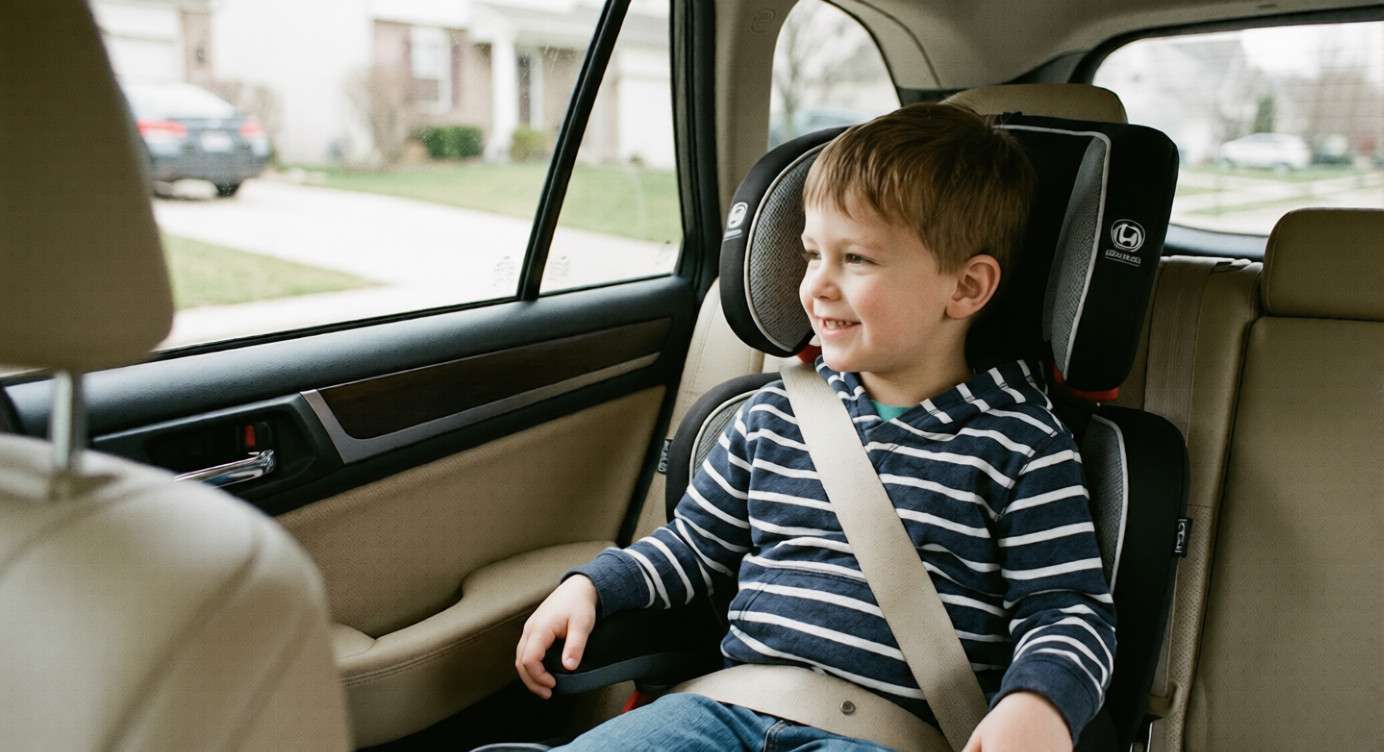
Being arrested for DUI is frightening enough, but when you have a child in your vehicle at the time of the stop, the consequences become dramatically more severe. California law imposes mandatory jail time and enhanced penalties for anyone convicted of DUI with a minor passenger under age 14, and prosecutors take these cases extremely seriously. If you’re facing DUI with child endangerment charges in Palmdale, you need an experienced criminal defense attorney who understands both the legal complexities and the high stakes involved.
At Tu Defensor Criminalista, we provide aggressive, strategic defense for individuals charged with DUI while having a child in the vehicle throughout Palmdale, Lancaster, and all of Los Angeles County. We understand that good parents can make mistakes, and we’re here to protect your rights, your freedom, your parental rights, and your future.
Free Confidential Consultation: (888) 315-3326 | Available 24/7 | Hablamos Español
California has two primary statutes that address driving under the influence with a child in the vehicle: Vehicle Code Section 23572 (the sentencing enhancement) and Penal Code Section 273a (the criminal child endangerment charge). These laws reflect California’s strong commitment to protecting children, as evidenced by the Los Angeles County Department of Children and Family Services[1]‘ mission to ensure the safety of over two million children in the county.
Vehicle Code 23572 is not a separate crime but rather a sentencing enhancement that adds mandatory jail time to any DUI conviction when a child under age 14 was a passenger in your vehicle. This enhancement applies regardless of whether the child is your own or someone else’s, and it doesn’t matter if you drove safely or if the child was properly restrained in a car seat.
The law states that if you’re convicted of violating Vehicle Code Section 23152 (driving under the influence) and a minor under 14 years of age was a passenger in the vehicle, the court “shall impose” additional penalties. The word “shall” means the judge has no discretion – if convicted, you will serve the additional jail time.
Mandatory Additional Jail Time Under VC 23572:
These penalties are in addition to the standard penalties for the underlying DUI conviction, meaning you face both the normal DUI sentence plus the VC 23572 enhancement. Critically, none of this additional jail time can be stayed, suspended, or replaced with alternative sentencing – you must serve it.
Penal Code 273a is a separate criminal charge that defines child endangerment as willfully placing a child under age 18 in a situation where the child’s health or safety is endangered. This includes exposing the child to unjustifiable pain, suffering, or danger. California courts have consistently held that driving under the influence with a child in the vehicle falls within the scope of PC 273a.
Unlike VC 23572, which only applies to children under 14, the criminal child endangerment charge can apply to any minor under age 18. Additionally, PC 273a is a “wobbler” offense, meaning prosecutors can charge it as either a misdemeanor or a felony depending on the circumstances and your criminal history.
Penalties for Child Endangerment Under PC 273a:
Misdemeanor Child Endangerment:
Felony Child Endangerment:
Prosecutors typically reserve felony child endangerment charges for the most egregious cases, such as when the driver had an extremely high blood alcohol content, drove recklessly, caused an accident, or had prior DUI convictions. In California, 382,145 total referrals for child abuse and neglect[2] were reported in 2022, demonstrating the state’s vigilant approach to child protection.
Palmdale, located in northern Los Angeles County with a population of approximately 162,536 residents, has seen aggressive DUI enforcement throughout the Antelope Valley region. The Los Angeles County Sheriff’s Department, which serves Palmdale, regularly conducts DUI checkpoints and increased patrols, particularly during holidays and weekends.
When officers discover a child in the vehicle during a DUI investigation, they take immediate action. The officer will note the child’s presence in the police report, photograph the child and their position in the vehicle, document any car seats or safety restraints, and may contact the Los Angeles County Department of Children and Family Services[1] to ensure the child’s immediate safety. In some cases, another adult will be called to pick up the child, but in more serious situations, DCFS may take temporary custody.
The presence of a child transforms what might have been a relatively straightforward misdemeanor DUI case into a far more complex legal situation with potentially life-altering consequences. Prosecutors in the Antelope Valley Courthouse, located at 42011 4th Street West in Lancaster, handle these cases with particular intensity because they involve the safety of vulnerable children.
To fully understand the consequences you’re facing, it’s important to recognize that the VC 23572 enhancement adds to already severe DUI penalties. Let’s examine what you face for the underlying DUI conviction before the enhancement is even applied.
For a first-time DUI in California, you face:
With VC 23572 Enhancement Added: If a child under 14 was in your vehicle, you must serve an additional mandatory 48 hours in jail, bringing your minimum custody time to 96 hours (4 days). This jail time cannot be replaced with work release, electronic monitoring, or any alternative sentencing.
For a second DUI within 10 years, base penalties include:
With VC 23572 Enhancement Added: An additional mandatory 10 days in county jail, meaning your minimum custody time becomes 106 hours (96 base hours + 10 days), with no possibility of alternative sentencing for the enhancement portion.
For a third DUI within 10 years:
With VC 23572 Enhancement Added: An additional mandatory 30 days in county jail on top of your base sentence, significantly increasing your custody time.
A fourth DUI within 10 years can be charged as either a misdemeanor or felony. If charged as a misdemeanor, the VC 23572 enhancement adds 90 days of mandatory jail time. If charged as a felony, the enhancement does not apply, but you face:
However, prosecutors can still charge felony child endangerment separately, which could add 2, 4, or 6 years in state prison.
One of the most terrifying consequences of a DUI with child endangerment arrest is the potential involvement of Child Protective Services. When you’re arrested for DUI with a child in your vehicle, law enforcement is required to notify the Los Angeles County Department of Children and Family Services[1], which serves Palmdale through their regional office.
Following your arrest, DCFS may:
The DCFS investigation can lead to several outcomes:
Best Case Scenario: DCFS determines that the incident was an isolated mistake, you have no history of substance abuse or child neglect, and the child can safely remain in your custody with a safety plan in place. This might include conditions such as:
Worst Case Scenario: If DCFS determines the child is at risk, they may seek to remove the child from your custody temporarily or permanently. This can happen if:
In dependency court proceedings, you’ll need to complete court-ordered programs, maintain sobriety, demonstrate your ability to provide a safe environment, and possibly regain custody gradually through supervised visitation. In California, 391,546 children ages 0-17 were reported to have been neglected or abused in 2020[3], with 49% of these cases involving general neglect, demonstrating how seriously the state takes child welfare.
If you share custody with the child’s other parent, a DUI with child endangerment arrest can dramatically affect your custody arrangement. The other parent may:
Even if you maintain physical custody, family court judges take DUI with child endangerment cases very seriously and may impose restrictions on your parenting time until the criminal case is resolved and you demonstrate rehabilitation.
Despite the serious nature of these charges, numerous defenses are available to challenge both the underlying DUI and the child endangerment allegations. At Tu Defensor Criminalista, we employ a comprehensive defense strategy that addresses every aspect of your case.
Since the VC 23572 enhancement only applies if you’re convicted of DUI, successfully defending against the DUI charge eliminates the enhancement entirely. Common DUI defenses include:
Illegal Traffic Stop: The Fourth Amendment protects you against unreasonable searches and seizures. If the officer lacked reasonable suspicion to stop your vehicle, all evidence obtained afterward, including observations about the child passenger, may be suppressed. We examine whether the officer had specific, articulable facts justifying the stop.
Rising Blood Alcohol Defense: Alcohol takes time to absorb into your bloodstream. Your BAC may have been below 0.08% while driving but rose above the legal limit by the time you were tested 30 minutes to 2 hours later. This is particularly effective when you had recently consumed alcohol shortly before driving.
Inaccurate Chemical Testing: Breath and blood tests are not infallible. We challenge test results by examining:
Medical Conditions: Certain medical conditions can produce symptoms officers mistake for intoxication:
Field Sobriety Test Challenges: Field sobriety tests are subjective and affected by factors unrelated to intoxication:
Even if the DUI cannot be completely defeated, we can challenge specific elements of the child endangerment allegations:
No Child Under 14 Present: For the VC 23572 enhancement to apply, prosecutors must prove beyond reasonable doubt that a child under 14 was actually in the vehicle. We examine:
If the child was 14 or older, the VC 23572 enhancement does not apply, though PC 273a charges may still be filed.
Lack of Endangerment for PC 273a: For child endangerment charges under PC 273a, prosecutors must prove you willfully placed the child in a dangerous situation. Defenses include:
Prescription Medication Defense: If you were taking legally prescribed medication, you may have a defense if:
No Intent to Endanger: Child endangerment requires willful conduct. You may have a defense if:
When the evidence against you is strong, negotiating for reduced charges can minimize the consequences:
Wet Reckless (VC 23103.5): A wet reckless is a reckless driving charge involving alcohol. If we can negotiate a reduction to wet reckless, the VC 23572 enhancement does not apply because you’re not convicted of DUI. Benefits include:
Dry Reckless (VC 23103): An even better outcome is reduction to dry reckless (reckless driving with no mention of alcohol):
Dismissal of Child Endangerment Charges: Even if the DUI cannot be dismissed, we can often negotiate dismissal of the child endangerment enhancement or separate PC 273a charges by demonstrating:
In addition to the criminal court case, you face an administrative license suspension through the California DMV. You have only 10 days from your arrest to request a DMV Administrative Per Se (APS) hearing to contest the suspension.
The DMV hearing focuses on three issues:
While the presence of a child in your vehicle doesn’t directly affect the DMV hearing outcome, winning your DMV hearing can:
At Tu Defensor Criminalista, we handle your DMV representation as part of our comprehensive defense strategy. We subpoena the arresting officer, cross-examine them about inconsistencies, challenge the reliability of test results, and argue for a set-aside of the suspension.
If you hold a commercial driver’s license (CDL), a DUI with child endangerment arrest is particularly devastating. CDL holders face:
The presence of a child in your vehicle during a DUI arrest creates an even more negative impression on employers and licensing authorities. We work aggressively to protect your CDL by:
With the legalization of marijuana in California, many Palmdale residents mistakenly believe they can legally drive after using cannabis. However, Vehicle Code Section 23152(f) makes it illegal to drive under the influence of drugs, including marijuana, regardless of its legal status. When you have a child in your vehicle during a drug DUI arrest, you face the same enhancements and child endangerment charges as with alcohol DUI.
Drug DUI cases present unique defense opportunities because:
We challenge drug DUI with child endangerment cases by demonstrating that drug presence in your system resulted from past use, attacking the reliability of Drug Recognition Expert (DRE) evaluations, showing you were not actually impaired at the time of driving, and proving you took legally prescribed medications as directed.
If you had multiple children under 14 in your vehicle during your DUI arrest, you face potentially compounded consequences. While California courts have split on whether separate enhancements apply for each child, some jurisdictions impose:
For example, if you had three children under 14 in your vehicle during a first-time DUI, you could theoretically face:
Additionally, having multiple children in the vehicle strengthens the prosecutor’s case for filing felony child endangerment charges rather than just the misdemeanor enhancement. We aggressively negotiate to consolidate these enhancements and minimize the total custody time.
The consequences of a DUI with child endangerment conviction extend far beyond the criminal penalties, license suspension, and potential custody issues:
Many employers, particularly in education, healthcare, childcare, and transportation, will terminate employees convicted of child endangerment. Even if you’re not fired, you may face:
A child endangerment conviction can affect your housing:
For non-citizens, a child endangerment conviction can result in:
Child endangerment can be considered a crime involving moral turpitude, making it particularly problematic for immigration purposes. We work closely with immigration attorneys when our clients face potential immigration consequences.
Perhaps most damaging is the social stigma attached to child endangerment. Unlike a standard DUI, which carries its own stigma, child endangerment allegations suggest you endangered your own child or someone else’s. This can lead to:
At Tu Defensor Criminalista, we understand that DUI with child endangerment cases require a multi-faceted defense strategy that addresses not just the criminal charges but also the collateral consequences.
Within 10 Days of Arrest:
Within 30 Days:
We conduct a thorough investigation including:
Even in cases where conviction cannot be avoided, we work to minimize consequences through strong mitigation:
Take these critical steps immediately: First, remain calm and polite with officers, but do not make statements beyond providing identification and necessary information. Second, write down everything you remember about the arrest, including what you ate and drank, when you last consumed alcohol, the traffic stop circumstances, field sobriety tests administered, and what officers said. Third, arrange for safe care of your child if they weren’t released to another adult at the scene. Fourth, contact an experienced DUI defense attorney immediately – you have only 10 days to request a DMV hearing. Fifth, do not discuss your case with DCFS, the child’s other parent, or anyone except your attorney, as statements can be used against you. Finally, do not post anything about the arrest on social media. The sooner we begin working on your case, the better we can protect your rights and develop your defense strategy.
Not automatically, but custody is at serious risk. DUI with child endangerment does not, by itself, terminate your parental rights. However, the arrest will be reported to the Los Angeles County Department of Children and Family Services[1], which may investigate whether your child is safe in your custody. Outcomes depend on multiple factors including whether this is your first offense, your BAC level, whether you drove recklessly, your cooperation with DCFS, your completion of court-ordered programs, evidence of substance abuse issues, and prior child welfare concerns. DCFS may allow your child to remain with you under a safety plan with conditions, require supervised visitation temporarily, or in serious cases, remove the child from your custody. If you share custody with another parent, they may seek emergency custody modification in family court. We work with family law attorneys and advocate with DCFS to minimize custody impacts, help you comply with safety plans, and demonstrate your fitness as a parent throughout the process.
Yes, it’s possible to be convicted of DUI without the child endangerment enhancement or charges. We can negotiate for dismissal of VC 23572 enhancement or PC 273a charges by demonstrating mitigating factors including low BAC level (close to 0.08%), safe driving with no traffic violations, proper child restraints in appropriate car seats, short distance traveled, isolated incident with no prior DUI or child welfare concerns, completion of parenting classes proactively, and evidence of excellent parenting otherwise. Additionally, if we can negotiate a reduction of the DUI charge to wet reckless or dry reckless, the VC 23572 enhancement automatically does not apply because you’re not convicted of DUI. Prosecutors are more likely to dismiss or not file child endangerment charges in first-offense cases with strong mitigating factors, especially when we present evidence early in the case demonstrating you’re a responsible parent who made an isolated mistake.
These are distinct legal provisions with different applications and consequences. VC 23572 is a sentencing enhancement, not a separate crime, that adds mandatory jail time to a DUI conviction when a child under 14 was in the vehicle. It requires conviction of DUI under VC 23152, applies only to children under age 14, adds 48 hours to 90 days of mandatory jail depending on prior DUI history, and is less severe than PC 273a. PC 273a is a separate criminal charge defining child endangerment as willfully placing a child under 18 in danger. It can be filed regardless of whether you’re convicted of DUI, applies to any child under age 18, is a “wobbler” that can be charged as misdemeanor or felony, carries up to 1 year jail for misdemeanor or up to 6 years prison for felony, and is more severe with longer-lasting consequences. Important: you cannot be convicted and sentenced for both VC 23572 and PC 273a for the same incident, though prosecutors can charge both and you may be convicted of DUI (without enhancement) plus PC 273a.
Child endangerment convictions can have serious immigration consequences. While DUI alone is generally not a deportable offense, child endangerment under PC 273a may be considered a crime involving moral turpitude (CIMT), which can result in denial of naturalization, inadmissibility for visa applications, grounds for deportation, denial of adjustment of status, and ineligibility for certain immigration benefits. The impact depends on whether you’re charged with misdemeanor or felony child endangerment, your current immigration status, how long you’ve been in the United States, whether you have prior convictions, and whether you have qualifying relatives who are U.S. citizens or permanent residents. For non-citizens facing DUI with child endangerment charges, it’s critical to work with both a criminal defense attorney and an immigration attorney. We coordinate with immigration counsel to understand the full consequences of any potential plea agreement and fight for dispositions that minimize or eliminate immigration impacts, such as reduction to DUI without child endangerment or alternative charges.
This depends on several factors including your license status, DCFS requirements, and court orders. If you won your DMV hearing or obtained a restricted license, you may be able to drive to transport your child if DCFS hasn’t imposed restrictions. However, DCFS may require another adult to transport the child, at least temporarily, as part of a safety plan. Additionally, if you’re on probation from a prior DUI, you may have conditions prohibiting driving with any alcohol in your system. If you lost your DMV hearing and don’t have a restricted license, you cannot legally drive at all. Violating DCFS safety plans or court orders can result in loss of custody, additional criminal charges, or probation violations. We help you understand all restrictions, work with DCFS to modify overly restrictive requirements, obtain restricted licenses when possible, and develop transportation alternatives when necessary. Always comply fully with any DCFS requirements regarding transporting your child, even if you believe they’re unnecessary, as violations can jeopardize your custody.
The same charges and enhancements apply whether the child is yours or someone else’s. VC 23572 enhancement and PC 273a charges don’t require you to be the child’s parent – any child under the specified age in your vehicle triggers these provisions. However, you may face additional consequences if the child wasn’t yours including loss of trust from the child’s parents, potential civil lawsuits from the parents for endangering their child, strained relationships that may affect your own children if they’re friends with the endangered child, and social stigma within your community or children’s school. The child’s parents may also file police reports or provide victim impact statements to prosecutors. From a defense standpoint, having someone else’s child in the vehicle can sometimes help demonstrate you’re a responsible person trusted by other parents, though prosecutors may argue you violated that trust. We develop defense strategies that acknowledge the seriousness of endangering any child while presenting mitigating factors to minimize consequences.
Your auto insurance will not cover criminal defense costs or most expenses related to DUI with child endangerment charges. Auto insurance does not cover criminal defense attorney fees, fines and court costs, DUI school and treatment programs, or ignition interlock device costs. Your insurance rates will increase dramatically after a DUI conviction (often doubling or tripling), and some insurers may cancel your policy entirely. You’ll also need to file an SR-22 certificate (proof of financial responsibility) for 3-5 years, which itself increases premiums. However, if your DUI resulted in an accident, your auto insurance may cover property damage or injuries to others up to your policy limits. The financial impact of DUI with child endangerment typically ranges from $10,000 to $20,000 or more when factoring in legal fees, fines, increased insurance, lost wages, and other costs. We offer flexible payment plans to make quality legal representation accessible and believe investing in experienced defense counsel saves you far more in the long run by potentially avoiding conviction or minimizing penalties.
Yes, you may be eligible for expungement under Penal Code Section 1203.4 if you successfully completed probation, paid all fines and restitution, completed all court-ordered programs including DUI school, and aren’t currently charged with or serving a sentence for another offense. Expungement benefits include legally stating you weren’t convicted on most job applications, improved employment prospects, and relief from some professional licensing barriers. However, limitations remain: the conviction still counts as a prior if you’re arrested for DUI again within 10 years, it remains visible to law enforcement and courts, you must still disclose it for government jobs and professional licenses, it doesn’t affect DCFS records or family court custody orders, and it doesn’t eliminate immigration consequences. For child endangerment convictions, expungement is particularly important given the stigma and employment barriers. We can help you determine eligibility, file the expungement petition at the earliest possible time, represent you at the expungement hearing, and ensure all paperwork is properly processed. The sooner you begin the expungement process after completing probation, the sooner you can start rebuilding your life.
This creates an extremely serious situation because you face new DUI with child endangerment charges plus a probation violation on your prior case. For the probation violation, the court can revoke probation and impose previously suspended jail or prison time, impose additional jail time beyond what was suspended, extend your probation period, and impose additional conditions. For the new DUI with child endangerment, you face enhanced penalties as a second or third DUI offense, mandatory additional jail time under VC 23572, potentially felony charges if this is your third or fourth DUI, and judges and prosecutors will view you much less favorably given the repeat offense with a child present. The presence of a child during a repeat DUI offense suggests a serious disregard for safety and makes negotiating favorable outcomes much more difficult. However, we defend these cases by challenging the new DUI charges aggressively (if the new arrest is flawed, the probation violation may not stick), arguing for reinstatement of probation rather than revocation, presenting strong mitigation evidence, and demonstrating commitment to sobriety and treatment. Early intervention by an experienced attorney is absolutely critical when facing both new charges and a probation violation.
Never plead guilty without consulting an experienced attorney who has thoroughly reviewed your case. While avoiding trial may seem like it protects your child, pleading guilty means accepting all consequences including mandatory jail time, child endangerment conviction, potential custody loss, criminal record, and all collateral consequences. Many DUI with child endangerment cases have strong defenses including illegal traffic stops, inaccurate test results, rising blood alcohol, medical conditions explaining observations, or insufficient evidence of endangerment. Even if the evidence is strong, skilled attorneys can often negotiate for reduced charges like wet reckless or dry reckless, dismissal of child endangerment allegations, or minimized penalties through alternative sentencing. A quick guilty plea gives up all of these opportunities. Additionally, your child’s trauma is better addressed through counseling and therapy than by accepting a conviction that could result in you losing custody or going to jail for extended periods. We handle these cases with sensitivity to your child’s wellbeing while aggressively protecting your rights and future. In many cases, the best outcome for your child is for us to obtain a favorable resolution that keeps you out of jail and preserves your custody rights.
Remember:
Attorney Armando Josué Cespedes is rated 5.0 on Avvo, with 34 five-star reviews from clients praising his dedication, professionalism, and results. Many note how his trial skills and attention to detail led to reduced charges or outright dismissals.



 English English
 Español de México English English Español de México
Thank you! We need your help. Would you share your experience on one of these sites?
If you have concerns you wish to address privately
