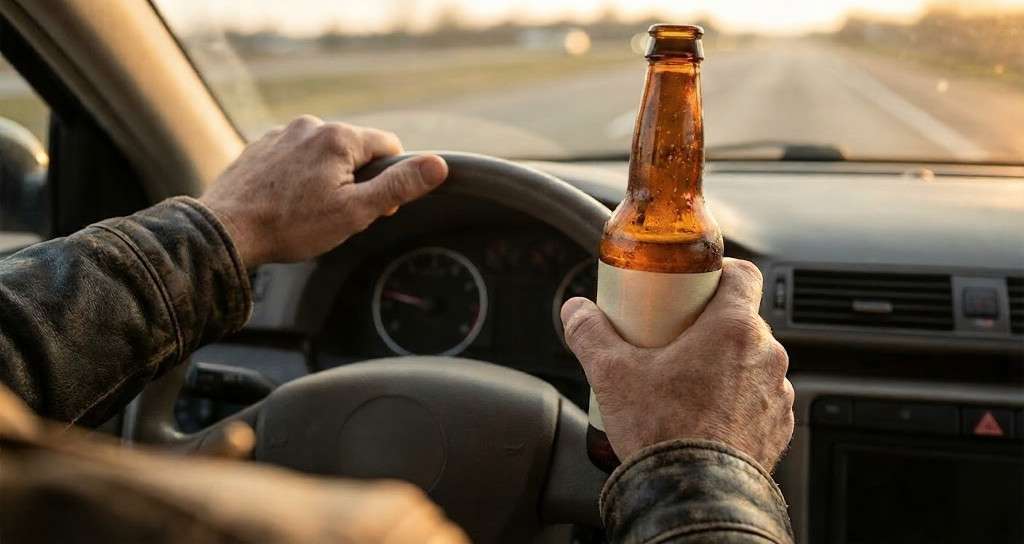
Facing a misdemeanor DUI charge in Palmdale can feel overwhelming. With California’s strict DUI laws and the potential for life-altering consequences, you need an experienced criminal defense attorney who understands the local court system, knows how to challenge the evidence against you, and will fight tirelessly to protect your rights, your license, and your future.
At Tu Defensor Criminalista, we provide aggressive, strategic defense for individuals charged with misdemeanor DUI offenses throughout Palmdale and Los Angeles County. Whether this is your first DUI arrest or you’re facing repeat charges, our dedicated legal team has the knowledge, experience, and resources to help you navigate this challenging time and pursue the best possible outcome in your case.
Free Confidential Consultation: (888) 315-3326 | Available 24/7 | Hablamos Español
Palmdale, with its population of approximately 162,536 residents[1] as of 2025, is located in northern Los Angeles County in the Antelope Valley region. The city’s position as a major residential hub with significant commuter traffic creates unique challenges when it comes to DUI enforcement and arrests.
Los Angeles County consistently reports some of the highest DUI arrest numbers in California. According to the California Department of Motor Vehicles[2], Los Angeles County accounts for approximately 19.4% of all DUI arrests statewide[3], with the county averaging between 18,000 to 22,000 DUI arrests annually. This translates to roughly 54 arrests per day across the county.
DUI enforcement in Palmdale has intensified in recent years, with the Los Angeles County Sheriff’s Department regularly conducting DUI checkpoints[4] throughout the Antelope Valley. These checkpoints, combined with increased patrols during holidays and weekends, have led to hundreds of arrests annually in the Palmdale area alone.
The California Office of Traffic Safety[5] tracks DUI-related data for cities throughout the state, providing insight into the scope of impaired driving incidents in our community. Understanding these local enforcement patterns is crucial when building your defense strategy.
Under California Vehicle Code Section 23152, it is unlawful to operate a vehicle while under the influence of alcohol, drugs, or a combination of both. A DUI is typically charged as a misdemeanor when certain aggravating factors are not present.
If you’ve been arrested for your first DUI offense in Palmdale, you’re likely facing misdemeanor charges under:
For a first-time offense to be charged as a misdemeanor, the following conditions typically apply:
Even repeat DUI offenders may face misdemeanor charges rather than felony charges, provided no aggravating circumstances exist. According to California DUI statistics[6], approximately 27.2% of convicted DUI offenders are repeat offenders, demonstrating the importance of experienced legal representation for those facing subsequent charges.
A DUI arrest escalates to a felony charge when:
California imposes severe penalties for misdemeanor DUI convictions, and these consequences increase substantially with each subsequent offense. Understanding what you’re facing is the first step in building an effective defense.
For a first-time DUI conviction in California, you may face:
Criminal Penalties:
License Consequences:
Additional Requirements:
A second DUI conviction within 10 years carries enhanced penalties:
Criminal Penalties:
License Consequences:
A third DUI within 10 years results in even more severe consequences:
Criminal Penalties:
License Consequences:
California law imposes additional penalties when certain aggravating circumstances are present:
High BAC Enhancement (VC 23578): If your BAC was 0.15% or higher, you may face:
According to the California DUI Management Information System[7], the median BAC among convicted DUI offenders is 0.16%, which is double the legal limit.
Refusal to Submit to Chemical Testing: Under California’s implied consent law, refusing a chemical test results in:
Child Endangerment (VC 23572): Having a minor under age 14 in the vehicle adds:
Understanding the DUI arrest and prosecution process in Palmdale is crucial for protecting your rights and building your defense.
Most DUI arrests begin with a traffic stop. Officers in Palmdale typically patrol heavily during weekend evenings and holidays, particularly along major corridors like:
If an officer suspects you’re impaired, they’ll likely ask you to perform field sobriety tests (FSTs), which may include:
Important: Field sobriety tests and PAS tests are generally voluntary for drivers over 21 who are not on DUI probation. You have the right to politely decline these tests without immediate legal consequences, though officers rarely inform drivers of this right.
If you’re arrested for DUI, California’s implied consent law requires you to submit to a chemical test (breath or blood) to determine your BAC. Unlike field sobriety tests, refusing this post-arrest chemical test carries significant consequences, including automatic license suspension and enhanced criminal penalties.
After your arrest, you’ll be transported to the Palmdale Sheriff’s Station or Los Angeles County jail facility for booking. Depending on your BAC level and criminal history, you may be:
Within 10 days of your arrest, you must request a DMV APS hearing to contest the administrative suspension of your license. This hearing is separate from your criminal case and requires immediate action. Missing this 10-day deadline results in automatic license suspension.
At Tu Defensor Criminalista, we handle your DMV hearing representation, fighting to preserve your driving privileges while your criminal case proceeds.
Your first court appearance, called an arraignment, typically occurs within 30 days of arrest. For Palmdale DUI cases, you’ll appear at the Antelope Valley Courthouse located at:
Antelope Valley Courthouse 42011 4th Street West Lancaster, CA 93534
At arraignment, you’ll:
Our attorneys appear on your behalf at all court proceedings, often allowing you to avoid personally appearing in court for most misdemeanor DUI hearings.
Following arraignment, we conduct a thorough investigation of your case, including:
We engage in negotiations with the Los Angeles County District Attorney’s Office to pursue:
If we cannot reach a favorable resolution through negotiation, we’re prepared to take your case to trial. Our trial experience includes challenging:
Every DUI case is unique, and the best defense strategy depends on the specific facts and circumstances of your arrest. At Tu Defensor Criminalista, we employ a comprehensive approach to identify and pursue every viable defense, including:
The Fourth Amendment protects you against unreasonable searches and seizures. For a traffic stop to be legal, officers must have reasonable suspicion that you violated a traffic law or were engaged in criminal activity. If the stop was unlawful, all evidence obtained afterward may be suppressed.
Common illegal stop scenarios include:
Alcohol takes time to absorb into your bloodstream. Your BAC may have been below 0.08% while you were actually driving, but rose above the legal limit by the time you were tested 30 minutes to two hours later. This “rising BAC” defense can be particularly effective when:
Breath testing devices, such as the commonly used Draeger Alcotest, are not infallible. Factors that can produce inaccurate readings include:
We obtain and scrutinize calibration records, maintenance logs, and training certifications to identify any issues with the testing device or procedures.
Blood samples can be compromised through:
Certain medical conditions can produce symptoms that officers mistake for intoxication:
Field sobriety tests are subjective and prone to error. Factors unrelated to intoxication that affect FST performance include:
Additionally, many officers fail to properly administer these tests according to National Highway Traffic Safety Administration (NHTSA) standardized procedures.
California Code of Regulations, Title 17, establishes specific requirements for DUI chemical testing. Violations of these regulations can invalidate test results:
In rare circumstances, you may have a defense if you drove while impaired out of necessity to prevent a greater harm, such as:
This defense requires showing you had no reasonable alternative and immediately stopped driving once the emergency passed.
When you’re arrested for DUI in Palmdale, you’re facing two separate proceedings: the criminal case in court and the administrative license suspension process through the California DMV. Many people make the mistake of focusing solely on their criminal case while neglecting the DMV hearing, which can result in an automatic license suspension.
You have only 10 days from the date of your arrest to request a DMV APS hearing. This deadline is strictly enforced – there are no extensions, and missing it results in automatic license suspension starting 30 days after your arrest.
The DMV hearing determines whether your license will be suspended based on:
These hearings are conducted by a DMV hearing officer (not a judge) and follow different rules than criminal court. Evidence standards are lower, and the burden of proof is on you to show why your license shouldn’t be suspended.
Successfully challenging your license suspension at the DMV hearing allows you to:
Our DMV hearing representation includes:
Even if you ultimately lose at the DMV hearing, the testimony and evidence obtained can prove invaluable in defending your criminal case.
Not every DUI arrest must result in a DUI conviction. Depending on the strength of the evidence and circumstances of your case, we may be able to negotiate for a reduced charge.
A “wet reckless” is a reckless driving conviction where alcohol was involved. It carries significant advantages over a DUI conviction:
Benefits:
Drawbacks:
A “dry reckless” is a reckless driving conviction with no mention of alcohol. This is the best possible reduction and offers maximum benefits:
Benefits:
When Dry Reckless May Be Possible:
According to the California DMV[6], more than 8% of DUI case resolutions result in wet reckless convictions, demonstrating that these reductions are achievable with skilled legal representation.
If you hold a commercial driver’s license, a DUI arrest poses an especially serious threat to your livelihood. California has strict regulations governing CDL holders, and even a first-time misdemeanor DUI can end your driving career.
Under federal and California law, CDL holders face:
Unlike regular drivers who may obtain restricted licenses or drive with an IID, California does not permit restricted commercial licenses. A CDL disqualification means you cannot drive commercial vehicles at all during the suspension period.
Many CDL holders are required to notify their employers within 30 days of a DUI arrest, even if it occurred in their personal vehicle. Failure to notify can result in termination and additional penalties.
For professional drivers, we employ aggressive defense strategies specifically designed to protect your commercial license:
Given the severe career consequences of a CDL disqualification, immediate legal action is essential. Contact Tu Defensor Criminalista as soon as possible if you hold a CDL and face DUI charges.
With the legalization of recreational marijuana in California, many Palmdale residents mistakenly believe they can legally drive after using cannabis. However, California Vehicle Code Section 23152(f) makes it illegal to drive while under the influence of drugs, including marijuana, regardless of its legal status.
According to the California Office of Traffic Safety[8], drug-involved crash fatalities increased by 28.9% in 2020, with marijuana being the most commonly detected substance. Unlike alcohol DUI cases where there’s a clear legal limit (0.08% BAC), no specific THC level constitutes impairment under California law. This creates defense opportunities since THC can remain in your system for weeks after use, and blood tests cannot determine when you last used marijuana.
We challenge marijuana DUI cases by demonstrating that THC in your system is from past use, attacking the reliability of Drug Recognition Expert (DRE) evaluations, and proving you weren’t actually impaired at the time of driving. You can also be arrested for DUI when taking legally prescribed medications, but we defend these cases by showing you were taking medication as prescribed and were unaware it could cause impairment.
California enforces strict “zero tolerance” laws for drivers under age 21. If you’re under 21 and arrested for DUI in Palmdale, you face charges under multiple statutes with severe consequences including license suspension, fines, alcohol education programs, and vehicle impoundment.
VC 23136 makes it illegal for anyone under 21 to drive with a BAC of 0.01% or higher, resulting in a 1-year license suspension. VC 23140 applies when BAC is 0.05% or higher, adding criminal misdemeanor charges, $100 fine, and community service. If your BAC reaches 0.08% or higher, you’ll be charged as an adult under standard DUI statutes, facing all the same penalties as drivers over 21 plus additional underage penalties.
We defend underage DUI cases by challenging the accuracy of breath tests, demonstrating mouth alcohol that produced false readings, and negotiating for diversionary programs that allow driving to school or work. California DUI statistics[9] show DUI arrests among drivers under 21 have declined significantly in recent years, but enforcement remains aggressive.
If you’re facing a second or subsequent DUI charge in Palmdale, you’re confronting significantly enhanced penalties. California’s “lookback period” for DUI is 10 years, meaning any DUI conviction within the past decade counts as a prior offense. With each subsequent conviction, penalties escalate: longer mandatory jail sentences, extended probation periods (3-5 years), longer DUI education programs (18-30 months), higher fines, and extended license revocations (2-3 years).
A third DUI conviction within 10 years results in designation as a Habitual Traffic Offender, which remains on your driving record for 10 years and creates enhanced consequences for future violations. According to the California DUI Management Information System[7], approximately 27% of convicted DUI offenders are repeat offenders, down from 37% in 1989.
When defending repeat DUI offenders, we focus on challenging the validity of prior convictions, demonstrating constitutional violations, negotiating for treatment programs instead of jail, and pursuing alternative sentencing options. Early intervention by an experienced attorney is critical because repeat offenders face more aggressive prosecution.
While most DUI arrests result in misdemeanor charges, the presence of injuries can elevate your case to a felony under Vehicle Code Section 23153. However, not all injury-involved DUI cases are automatically charged as felonies. Prosecutors consider the severity of injuries, your prior criminal history, the circumstances of the incident, your BAC level, and whether you fled the scene when deciding between misdemeanor and felony charges.
When injuries are involved, we employ specific defense strategies including challenging causation (proving the DUI didn’t cause the injury), demonstrating the other driver was at fault, showing injuries were pre-existing or exaggerated, and negotiating for misdemeanor filing instead of felony charges.
If you’re convicted of DUI in Palmdale, you’ll likely be placed on informal probation for 3 to 5 years with conditions including no driving with any alcohol, submission to chemical testing, completion of DUI education, payment of all fines, and no new law violations. Violating these terms can result in arrest, revocation of probation, imposition of suspended jail sentences, and loss of restricted driving privileges.
At probation violation hearings, we challenge the allegations, present evidence of substantial compliance, show violations were unintentional or beyond your control, and negotiate for reinstatement rather than revocation. The burden of proof is lower than in criminal trials (preponderance of evidence vs. beyond reasonable doubt), making skilled representation essential.
A DUI conviction can affect employment, professional licensing, and housing for years. California law allows for DUI expungement under Penal Code Section 1203.4 if you successfully completed probation, completed all requirements (DUI school, fines, community service), and aren’t currently charged with or serving a sentence for another offense.
An expunged DUI provides significant benefits: you can legally state you were not convicted on most job applications, improves employment and housing prospects, and provides relief from many professional licensing barriers. However, the conviction still counts as a prior if arrested for DUI again within 10 years, remains visible to law enforcement and courts, and must be disclosed when applying for government jobs or professional licenses. Our expungement services include determining eligibility, preparing and filing the petition, and representing you at the expungement hearing.
When you’re facing DUI charges in Palmdale, your choice of attorney can make the difference between a conviction and a dismissal, between jail time and freedom, between losing your license and keeping your driving privileges.
Our attorneys have extensive experience handling DUI cases in the Antelope Valley Courthouse and throughout Los Angeles County. We know the local prosecutors, judges, and most effective defense strategies for this jurisdiction. We provide complete representation covering DMV APS hearings, criminal court defense, expert witness consultation, evidence analysis, trial representation, and expungement services.
We understand that every DUI case is unique and provide one-on-one consultation, thorough investigation, custom-tailored defense strategies, regular communication, and support throughout the entire process. We don’t accept the prosecution’s version of events – we challenge every aspect of the evidence, file motions to suppress illegally obtained evidence, cross-examine officers, hire expert witnesses when needed, and take cases to trial when necessary.
We proudly serve Palmdale’s diverse Hispanic community with fluent Spanish-language services. No se preocupe si no habla inglés – nosotros hablamos español y podemos ayudarlo con su caso de DUI. We offer free initial consultations, evening and weekend appointments, 24/7 phone availability for emergencies, and flexible payment plans.
Take these critical steps immediately: First, request a DMV hearing within 10 days by calling (916) 657-6525 or having your attorney do so. Second, document everything you remember about the arrest while it’s fresh in your mind. Third, do not discuss your case with anyone except your attorney, as statements can be used against you. Fourth, contact an experienced DUI defense attorney immediately to protect your rights and begin building your defense. Finally, preserve any evidence such as receipts from where you were drinking, witness contact information, or medical records if you have a condition that might have affected field sobriety tests.
License suspension depends on several factors. For a first offense, the DMV will suspend your license for 6 months, though you may be eligible for a restricted license after 30 days with an ignition interlock device. If you refuse chemical testing, the suspension increases to 1 year. For second offenses, expect a 2-year suspension, and for third offenses, a 3-year suspension. However, if you request and win your DMV APS hearing within 10 days of arrest, you may avoid suspension entirely. This is why immediate action is crucial. Our firm handles DMV hearings as part of our comprehensive DUI defense representation.
Yes, if you’re over 21 and not on DUI probation, you can politely refuse field sobriety tests and the preliminary alcohol screening (PAS) breath test at the roadside without facing automatic penalties. These tests are voluntary investigative tools that officers use to gather evidence against you. However, you cannot refuse the post-arrest chemical test (breath or blood) without facing serious consequences including automatic license suspension and enhanced criminal penalties. The key distinction is between pre-arrest voluntary tests and post-arrest mandatory tests. Many people don’t realize they have the right to refuse roadside tests, and officers rarely inform them of this right. Consulting with an attorney about your specific situation is important because different rules apply for commercial drivers, drivers under 21, and those on DUI probation.
These are two completely separate proceedings with different purposes, rules, and consequences. The DMV administrative hearing determines whether your driver’s license will be suspended based solely on whether you were lawfully arrested and had a BAC of 0.08% or higher (or refused testing). This is a civil proceeding with a lower burden of proof. Your criminal court case determines whether you’ll be convicted of DUI and face criminal penalties like fines, jail, probation, and DUI school. The criminal case requires proof beyond a reasonable doubt. You can win one proceeding and lose the other. For example, you might win your DMV hearing (keeping your license) but still be convicted in criminal court, or vice versa. Because these are separate, you need representation in both, which is why we handle both aspects of DUI defense.
The financial impact of a DUI conviction extends far beyond court fines. While the base fine might be $390 to $1,000, penalty assessments can triple or quadruple that amount. Add in DUI school ($500-$2,500), license reinstatement fees ($125), SR-22 insurance filing, increased insurance premiums (often 2-3 times higher for 3 years), ignition interlock device installation and monthly fees ($75-$150/month), towing and impound fees, and potential lost wages from jail time or court appearances, and you’re looking at total costs of $10,000 to $20,000 or more for a first offense. Second and third offenses cost even more. These figures don’t include the cost of an attorney, but investing in quality legal representation often saves you far more money by avoiding conviction, reducing charges, or minimizing penalties. Getting charges dismissed or reduced can save you tens of thousands of dollars in the long run.
Not necessarily. While California law authorizes up to 6 months in jail for a first DUI, actual jail time depends on many factors including your BAC level, whether anyone was injured, your criminal history, and the quality of your legal defense. Many first-time DUI defendants receive no jail time, especially when represented by an experienced attorney. Alternative sentences might include electronic monitoring, work release, community service, or probation. However, certain factors make jail time more likely: high BAC (0.15% or higher), accidents, injuries, child endangerment, or refusal to submit to chemical testing.
Yes, California law prohibits “driving” or being in “actual physical control” of a vehicle while impaired. You can be arrested for DUI even if the car wasn’t moving. Prosecutors have successfully obtained convictions when defendants were found sitting in the driver’s seat with the engine running, or with keys in the ignition. However, merely being in a parked car without keys in the ignition, or sitting in the passenger seat, generally isn’t enough for a DUI conviction. These “no driving” cases present unique defense opportunities.
This creates a serious situation because you’re now facing both new DUI charges and a probation violation on your previous case. The probation violation can result in the court imposing the jail time that was previously suspended, plus additional penalties for the new offense. You’ll likely face enhanced penalties on the new DUI because it counts as a second offense, including longer jail time, extended license suspension, and mandatory 18-month DUI program. However, not all hope is lost. We defend these cases by challenging the new DUI charges (if the arrest was flawed, the probation violation may not stick) and by arguing for reinstatement of probation rather than revocation, demonstrating mitigating circumstances, and showing that the violation was isolated rather than part of a pattern. Early intervention by an experienced attorney is absolutely critical in these cases because you’re essentially fighting two cases at once.
A DUI conviction remains on your DMV driving record for 10 years from the date of the violation. This 10-year “lookback period” is important because any subsequent DUI within this timeframe will count as a second (or third) offense with enhanced penalties. On your criminal record, a DUI conviction remains indefinitely unless you obtain an expungement under Penal Code Section 1203.4. Even with an expungement, the conviction still counts as a prior for purposes of DUI enhancement if you’re arrested for another DUI within 10 years. For employment purposes, an expunged conviction generally doesn’t need to be disclosed on private job applications, though it must still be disclosed when applying for government positions or professional licenses. For commercial drivers, a DUI conviction affects your CDL status regardless of expungement. The best way to avoid these long-term consequences is to fight the charges from the beginning with experienced legal representation.
An ignition interlock device is a breathalyzer connected to your vehicle’s ignition system that prevents the car from starting if it detects alcohol on your breath. As of 2019, California law requires IID installation for all DUI convictions, though judges have some discretion on first offenses. For first-time offenders, you may need an IID for 6 months. Second offenses require 1 year, third offenses require 2 years, and fourth offenses require 3 years. The device must be installed by a certified provider at your expense (typically $75-$150 for installation plus $60-$90 per month for monitoring and calibration). You’ll need to blow into the device before starting your car and periodically while driving. Failed tests are recorded and reported to the court and DMV, potentially resulting in probation violations. While the IID requirement is burdensome, it does allow you to drive during what would otherwise be a complete license suspension period. We can sometimes negotiate for reduced IID periods or elimination of the requirement as part of a plea bargain.
This is a common misconception. Miranda warnings are only required before custodial interrogation – when you’re in custody and being questioned. Many DUI cases don’t involve significant post-arrest questioning, so failure to give Miranda warnings often doesn’t affect the case. The officer’s observations of your driving, appearance, field sobriety test performance, and chemical test results aren’t affected by Miranda issues. However, statements you made after arrest in response to questioning might be suppressed if you weren’t read your rights. Rather than focusing on Miranda, successful DUI defenses typically challenge the legality of the stop, reliability of field sobriety tests, and accuracy of chemical testing.
Whether you need to disclose depends on your employment contract, company policies, whether you drive for work, and whether you hold a professional license. Commercial drivers must notify employers within 30 days. Professional license holders often have mandatory reporting requirements. If you’re not required to disclose, you generally don’t have to volunteer information about an arrest. However, be careful about lying if directly asked. Consult with both an employment attorney and DUI defense attorney before making any disclosures. Remember that an arrest is not a conviction, and with proper representation, charges may be dismissed or reduced.
While you technically have the right to represent yourself, doing so in a DUI case is almost always a serious mistake. DUI law is highly technical, involving complex constitutional issues, scientific testimony, strict procedural requirements, and nuanced negotiation with prosecutors. Self-represented defendants typically miss the 10-day DMV hearing deadline, fail to file critical motions, are unable to effectively cross-examine witnesses, and ultimately receive harsher penalties. A DUI conviction can cost $10,000-$20,000 or more in fines, fees, insurance increases, and lost wages – not to mention jail time and license suspension. Investing in an experienced DUI attorney often results in charges being dismissed, reduced, or penalties minimized, saving you far more than the attorney fees.
Remember:
Attorney Armando Josué Cespedes is rated 5.0 on Avvo, with 34 five-star reviews from clients praising his dedication, professionalism, and results. Many note how his trial skills and attention to detail led to reduced charges or outright dismissals.



 English English
 Español de México English English Español de México
Thank you! We need your help. Would you share your experience on one of these sites?
If you have concerns you wish to address privately
