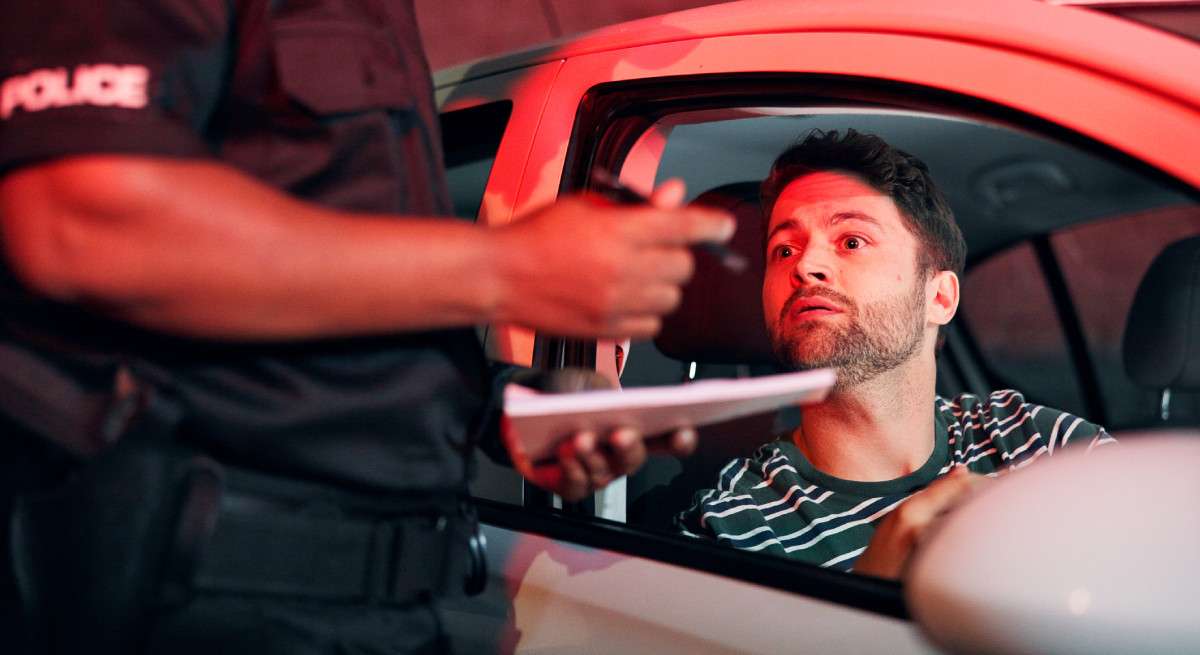
Arrested for your first DUI in Pasadena? You’re not alone, and more importantly, you’re not without options. A first-time DUI arrest is a frightening experience, especially if you’ve never been in trouble with the law before. You’re probably worried about losing your license, going to jail, paying thousands in fines, and how this will affect your job, your family, and your future. These concerns are valid—California DUI penalties are severe even for first offenders—but an experienced DUI defense attorney can make an enormous difference in the outcome of your case.
According to statewide data, among convicted DUI offenders arrested in 2019, 72.8% were first offenders[1], meaning nearly three out of four people facing DUI charges have no prior record. The Pasadena Police Department investigated 225 DUI cases in 2024, up from 194 in 2023[2], with aggressive checkpoint operations conducted throughout the year. Drivers charged with a first-time DUI face an average of $13,500 in fines and penalties[3], as well as a suspended license—but with skilled legal representation, many first-time offenders avoid the worst consequences and protect their futures.
At Tu Defensor Criminalista, we provide aggressive, experienced first-time DUI defense to clients throughout Pasadena and Los Angeles County. We understand that good people make mistakes, and we fight to ensure one error doesn’t define the rest of your life.
Free Confidential Consultation: (888) 315-3326 | Available 24/7 | Hablamos Español
California law defines DUI under Vehicle Code Section 23152, with most arrests resulting in charges under two separate but related subsections:
Vehicle Code 23152(a) – Driving Under the Influence: This statute makes it illegal to operate a vehicle while under the influence of alcohol, drugs, or both, regardless of your blood alcohol concentration (BAC). You can be convicted under this section even if your BAC is below 0.08% if the prosecution proves that alcohol or drugs impaired your physical or mental abilities to the extent that you could no longer drive as safely and cautiously as a sober person would under similar circumstances.
The subjective nature of this charge means prosecutors rely heavily on officer observations including your driving pattern (weaving, speeding, running stop signs), physical symptoms (odor of alcohol, bloodshot eyes, slurred speech, unsteady gait), field sobriety test performance, and statements you made during the stop. Each of these elements can be challenged by an experienced DUI attorney.
This statute makes it automatically illegal to drive with a BAC of 0.08% or higher. The “per se” designation means the law considers you guilty by the mere fact of having this BAC level, regardless of whether you actually appeared or felt impaired. According to the California DMV, the median BAC among convicted DUI offenders is 0.16%[1]—double the legal limit—though many first-time offenders have BAC levels much closer to the legal threshold.
When arrested for DUI in Pasadena, you’ll typically face charges under both subsections. However, even if convicted of both, it counts as only one DUI conviction for sentencing and prior offense purposes.
For most legal purposes, you’re considered a first-time DUI offender if you haven’t had a DUI conviction or “wet reckless” plea within the past 10 years. California’s DUI laws are “priorable,” meaning each conviction within a 10-year “lookback” period results in progressively harsher penalties. Even out-of-state DUI convictions from the past 10 years count as priors if they would qualify as DUI under California law.
This 10-year lookback period is crucial. If you had a DUI conviction 11 years ago, you’re still legally a first-time offender for penalty purposes. However, the court may still consider your prior conviction as a factor in sentencing even if it falls outside the lookback period.
To convict you of first-time DUI, Pasadena prosecutors must prove beyond a reasonable doubt:
For Vehicle Code 23152(a):
For Vehicle Code 23152(b):
The prosecution’s burden is “beyond a reasonable doubt”—the highest standard in American law. If your attorney can create reasonable doubt about any element of the charges, you must be acquitted.
The “driving” element requires actual vehicle operation or control. If police never witnessed you driving and cannot prove you were the driver, the prosecution’s case fails. The impairment or BAC element must exist at the time of driving, not hours later when testing occurred—this creates powerful defense opportunities.
A first-time misdemeanor DUI conviction in California carries potential penalties including:
Jail Time: Up to six months in county jail. However, many first-time offenders receive no actual jail time, especially with strong legal representation. According to statewide statistics, among first DUI offenders arrested in 2019, 66.3% were sentenced to jail[1], but actual custody time served is often minimal—typically 48 hours to a few days, and sometimes converted to community service or work release programs.
The judge has discretion to suspend jail sentences for first-time offenders who complete probation requirements successfully. This means you may face no actual jail time if you comply with all court orders.
Probation: Summary (informal) probatin for three to five years is the most frequently imposed court penalty, given in 95.9% of all convicted DUI cases[1]. Informal probation means you don’t report to a probation officer, but you must comply with court-ordered conditions including:
Violating probation conditions can result in probation revocation and imposition of the original jail sentence.
Fines and Fees: Base fines range from $390 to $1,000, but California adds multiple penalty assessments that dramatically increase the total cost. The California DMV estimates that a first-time DUI conviction costs $13,500 on average[3], including:
DUI Education Program: First offenders must complete a court-approved DUI education program:
These programs include education, group counseling, and individual interview sessions focusing on alcohol awareness and relapse prevention. Completion is mandatory for license reinstatement and probation compliance.
Community Service or Labor: Courts may order 40-120 hours of community service or public work as an alternative to or in addition to jail time.
Separate from criminal court penalties, the California DMV automatically suspends licenses[4] through its Administrative Per Se program:
First Offense Administrative Suspension: Four-month suspension if your BAC was 0.08% or higher, or one-year suspension if you refused chemical testing.
According to California DMV data, in 2020, 91,300 APS license actions were taken, with 72.1% being first-offender actions[1]. The DMV process is completely separate from criminal court—you can win one and lose the other.
Critical 10-Day Deadline: You have only 10 days from your arrest date to request a DMV administrative hearing to contest the suspension. This deadline is absolute. If you don’t request a hearing within 10 days, the suspension automatically takes effect 30 days after arrest with no opportunity for review.
Requesting a hearing also “stays” (temporarily halts) the suspension until the hearing is resolved, allowing you to continue driving while your case is pending.
In addition to the DMV administrative suspension, criminal courts impose a six-month license suspension upon DUI conviction under Vehicle Code 13352(a)(1). However, this suspension typically runs concurrently with the DMV suspension, meaning they overlap rather than adding together.
California law now requires all DUI offenders, including first-timers, to install an ignition interlock device in any vehicle they own or operate. An IID is a breathalyzer connected to your vehicle’s ignition system that prevents the engine from starting if alcohol is detected in your breath.
IID Duration for First Offenders:
IID Costs:
While the IID requirement is burdensome, it allows you to drive to work, school, medical appointments, and anywhere else during what would otherwise be a complete suspension period. Many first-time offenders opt for IID restricted licenses to maintain their mobility and employment.
Certain circumstances can increase first-time DUI penalties:
Understanding the arrest process helps you protect your rights:
Initial Traffic Stop: A Pasadena Police officer, California Highway Patrol officer, or other law enforcement officer observes a traffic violation or driving pattern suggesting impairment and initiates a traffic stop. Common reasons include weaving, speeding, running stop signs or red lights, or erratic driving.
Preliminary Investigation: The officer approaches your vehicle and observes signs of intoxication including odor of alcohol, bloodshot or watery eyes, slurred speech, open alcohol containers, or admission of drinking. Officers typically ask:
You have the right to politely decline answering these questions. Anything you say can and will be used against you.
Field Sobriety Tests (FSTs): The officer may request you perform standardized field sobriety tests including:
Critical Point: Field sobriety tests are voluntary in California. You can politely decline without penalty, though officers rarely inform drivers of this. Refusing FSTs eliminates subjective evidence that even sober people often fail.
Preliminary Alcohol Screening (PAS): The officer may request you take a preliminary breath test using a handheld device. This test is also voluntary for drivers 21 and older (except those already on DUI probation). PAS results establish probable cause for arrest and are less reliable than evidentiary testing at the station.
Arrest: If the officer determines probable cause exists based on observations, FST performance, and/or PAS results, you’ll be arrested and transported to Pasadena Police Department or the nearest station for booking.
Chemical Testing: California’s “implied consent” law requires all drivers to submit to chemical testing (breath or blood) after lawful DUI arrest. You typically have the choice between breath and blood testing. Refusal triggers automatic one-year license suspension and mandatory minimum jail time.
Booking and Release: You’ll be booked into custody, photographed, fingerprinted, and held until sober or until bail is posted. Most first-time DUI defendants are released on their own recognizance within 12-24 hours and given a citation with a court date.
DMV Hearing Request (10 Days): You have only 10 [4]d[4]ays from arrest to request a DMV administrative hearing[4] to contest your license suspension. This is your most critical deadline. Missing it results in automatic suspension with no opportunity to challenge it.
Arraignment: Your first court appearance at Pasadena Superior Courthouse, located at 300 East Walnut Street, Pasadena, CA 91101, typically occurs within several weeks of arrest (or within 48 hours if held in custody). At arraignment:
Having an attorney at arraignment provides significant advantages including reduced bail, favorable release conditions, and immediate case investigation.
The DMV hearing is completely separate from criminal court and focuses solely on your driving privileges. At the hearing, a DMV hearing officer determines:
Your Rights at the DMV Hearing:
Winning your DMV hearing preserves your driving privileges even if criminal charges proceed. Approximately 20.5% of DUI arrests in 2019 showed no corresponding conviction on DMV records[1], demonstrating that vigorous defense produces results.
The Fourth Amendment protects you from unreasonable searches and seizures. Police must have reasonable suspicion of criminal activity or a traffic violation before stopping your vehicle.
Lack of Reasonable Suspicion: Officers must observe specific, articulable facts suggesting Vehicle Code violations or criminal activity. Vague hunches, profiling based on time and location, or anonymous tips without corroboration violate your constitutional rights. If the stop was unlawful, all evidence obtained afterward—including FSTs and chemical tests—must be suppressed.
DUI Checkpoint Violations: While sobriety checkpoints are generally constitutional in California, they must follow strict guidelines established in Ingersoll v. Palmer:
Pasadena conducts regular DUI checkpoints[5] throughout the year. Checkpoints that violate constitutional requirements provide grounds for dismissing all charges.
Field sobriety tests are notoriously unreliable, with high false-positive rates even for sober individuals.
Factors Affecting FST Performance:
Improper Administration: The National Highway Traffic Safety Administration (NHTSA) has established standardized procedures for FSTs. Officers must be properly trained and must administer tests according to exact protocols. Even minor deviations from NHTSA standards invalidate results.
Voluntary Nature: Field sobriety tests are completely voluntary. Polite refusal eliminates this unreliable evidence from the prosecution’s case.
Blood and breath testing is imperfect science subject to numerous error sources:
Rising Blood Alcohol Defense: Alcohol takes 30 minutes to three hours to fully absorb into your bloodstream after consumption. Your BAC may have been below 0.08% while driving but rose above the legal limit by the time of testing. This defense is particularly effective when arrests occur shortly after you stopped drinking, or when significant time elapsed between driving and testing.
Mouth Alcohol Contamination: Breathalyzers measure alcohol in your breath, not your blood. Residual mouth alcohol from recently consumed beverages, GERD (gastroesophageal reflux disease), dental work, or regurgitation can artificially inflate breath test results by 100% or more.
Title 17 Violations: California Code of Regulations Title 17[4] establishes mandatory protocols for DUI chemical testing. Violations that invalidate test results include:
Medical Conditions: Certain conditions produce false positive results or mimic intoxication:
Blood Test Fermentation: Improperly preserved blood samples can ferment, producing alcohol that wasn’t present when blood was drawn. This particularly affects samples not refrigerated or tested promptly.
If police didn’t witness you driving, the prosecution must prove through circumstantial evidence that you were the driver. This element becomes contestable when:
Without proof beyond a reasonable doubt that you were driving, the entire case fails.
California recognizes necessity as an affirmative defense when you drove while impaired to prevent greater harm:
These defenses require showing genuine, immediate danger that left no time for legal alternatives.
Pasadena maintains aggressive first-time DUI enforcement through multiple strategies:
First-time DUI cases are prosecuted at Pasadena Superior Courthouse, serving the Northeast Judicial District.
Location and Information:
Los Angeles County Deputy District Attorneys from the Pasadena branch office handle all DUI prosecutions. These experienced prosecutors pursue penalties aggressively, making skilled defense representation essential.
In appropriate cases, first-time DUI charges can be reduced to “wet reckless”—reckless driving involving alcohol—under Vehicle Code 23103.5.
Wet Reckless Advantages:
Wet Reckless Disadvantages:
Wet reckless pleas are most common when:
In rare cases with significant legal problems, charges may be reduced to “dry reckless”—reckless driving without alcohol—under Vehicle Code 23103.
Dry Reckless Advantages:
Dry reckless pleas typically require substantial prosecution weaknesses or constitutional violations.
Some California jurisdictions offer DUI diversion programs, though availability varies by county. Diversion typically requires:
Upon successful completion, charges are dismissed entirely. However, not all courts offer diversion, and eligibility requirements are strict.
DUI convictions can affect employment in multiple ways:
DUI convictions trigger substantial insurance rate increases:
These insurance costs alone can total $10,000-$20,000 over three years.
Non-citizens face serious immigration consequences from DUI convictions:
Even lawful permanent residents (green card holders) can be deported for DUI convictions, especially those involving drugs or aggravating factors. If you’re not a U.S. citizen, working with an attorney who understands both criminal and immigration law is critical.
DUI convictions can affect:
Any DUI conviction counts as a prior for 10 years. A second DUI within this period carries dramatically enhanced penalties including mandatory minimum jail time, longer license suspensions, and higher fines.
10-Day DMV Hearing Request: This is your most critical deadline. Missing it results in automatic license suspension with no opportunity to challenge.
Evidence Preservation: Critical evidence must be preserved immediately:
Strategic Advantage: Early attorney involvement provides:
While attorney fees for first-time DUI defense range from $2,500 to $7,500 or more, consider the alternative costs:
Without Attorney:
With Attorney:
The investment in quality legal defense often saves far more than the attorney’s fee.
Not necessarily. While first-time DUI carries up to six months in jail, many first offenders avoid custody entirely. Among first DUI offenders arrested in 2019, 66.3% were sentenced to jail[1], but actual time served is often minimal—48 hours to a few days, frequently converted to community service. With strong legal representation and no aggravating factors, many first-timers receive probation with no actual jail time.
First-time DUI convictions result in overlapping suspensions: four months from the DMV and six months from the court. However, with an ignition interlock device (IID), you can usually drive anywhere, anytime during the suspension period. You have only 10 days to request a DMV hearing to challenge the administrative suspension.
Yes. Approximately 20.5% of DUI arrests result in no conviction[1], and many others are reduced to wet reckless or dry reckless. Outcomes depend on case facts, evidence strength, legal defenses, and representation quality. Common grounds for dismissal include illegal stops, improper testing, inaccurate BAC results, and constitutional violations.
Field sobriety tests are voluntary and you can politely decline without penalty. These tests are subjective evaluations that even sober people often fail, and they’re designed to gather evidence against you. However, you must submit to chemical testing (breath or blood) after arrest under California’s implied consent law.
Borderline BAC cases (0.08%-0.10%) are highly defensible. Small margins of error in breath testing, rising blood alcohol, mouth alcohol contamination, and testing protocol violations can all explain results just above the legal limit. Many borderline cases result in charge reductions or dismissals.
The average first-time DUI costs $13,500[3] including fines, fees, DUI program, insurance increases, and related expenses. This can increase to $20,000-$30,000 when including attorney fees, license reinstatement, increased insurance over three years, and potential lost income.
Impact varies by profession. Many private employers won’t terminate employees for first-time misdemeanor DUI, especially without accident or injury. However, jobs requiring driving, security clearances, professional licenses, or working with vulnerable populations may be affected. Early legal intervention and successful case resolution minimize career damage.
While legally possible, self-representation is strongly discouraged. DUI cases involve complex legal issues, scientific evidence (BAC testing, field sobriety tests), constitutional protections, DMV procedures, and prosecutor negotiations. 72.8% of convicted DUI offenders are first-timers[1] with no criminal experience. Experienced attorneys achieve dramatically better outcomes.
These are completely separate proceedings. The DMV administrative hearing addresses only your driving privileges and uses a lower burden of proof. Criminal court addresses criminal penalties including jail, fines, and probation. You can win one and lose the other. Both require legal representation for best results.
DUI convictions remain on your criminal record permanently unless expunged. For driving record purposes, the DMV keeps DUI convictions for 10 years. For “priorable” penalty purposes, DUIs count as priors for 10 years. You may be eligible for expungement after successfully completing probation.
If you’ve been arrested for your first DUI in Pasadena, time is critical. You have only 10 days to request a DMV hearing to save your license. Early legal intervention dramatically improves your chances of favorable outcomes. Don’t face these serious charges alone.
Tu Defensor Criminalista provides experienced, aggressive first-time DUI defense throughout Pasadena and Los Angeles County. We understand that good people make mistakes, and we fight to ensure one error doesn’t define the rest of your life.
Contact Information:
Available: 24 Hours a Day | 7 Days a Week
Languages: English & Spanish (Hablamos Español)
We proudly serve clients throughout Pasadena and surrounding Los Angeles County communities including:
We handle cases at Pasadena Superior Courthouse and throughout Los Angeles County’s court system.
In addition to misdemeanor DUI defense, we handle:
At Tu Defensor Criminalista, we understand the fear and uncertainty you’re experiencing after a first-time DUI arrest. We know you’re worried about jail, license suspension, fines, and how this will affect your job and family. We’re here to help.
Our approach combines:
We fight for the best possible outcome in every case, whether that’s dismissal, charge reduction, minimized penalties, or acquittal at trial.
Attorney Armando Josué Cespedes is rated 5.0 on Avvo, with 34 five-star reviews from clients praising his dedication, professionalism, and results. Many note how his trial skills and attention to detail led to reduced charges or outright dismissals.



 English English
 Español de México English English Español de México
Thank you! We need your help. Would you share your experience on one of these sites?
If you have concerns you wish to address privately
