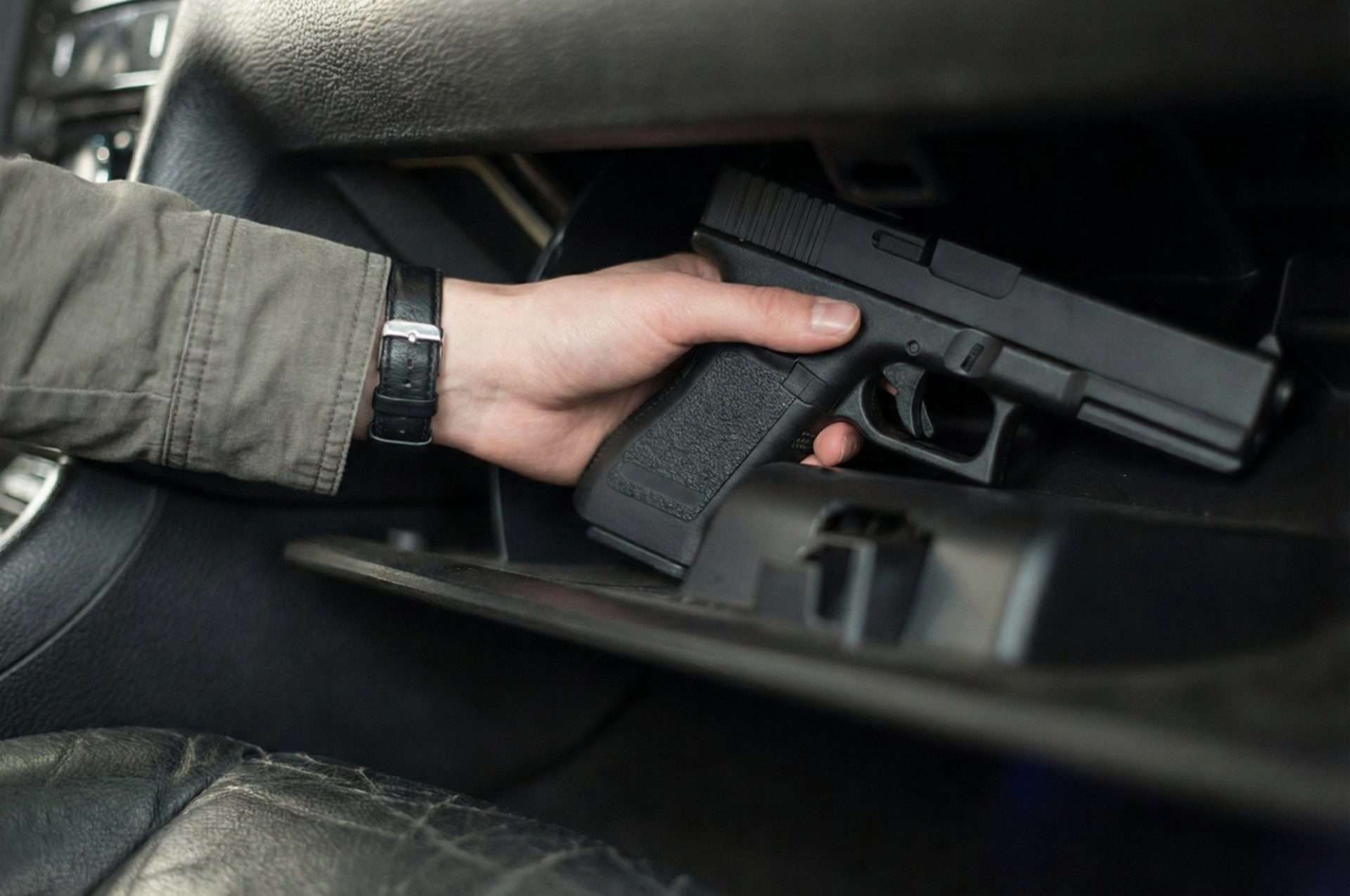
When facing charges related to concealed weapons in Downey, California, the stakes are incredibly high. A conviction can result in significant jail time, hefty fines, and a permanent criminal record that affects your employment, housing opportunities, and fundamental rights. At Tu Defensor Criminalista, we understand the complexities of California’s concealed weapons laws and provide aggressive, knowledgeable legal representation to protect your rights and freedom.
Free Confidential Consultation: (888) 315-3326 | Available 24/7 | Hablamos Español
California has some of the strictest gun laws in the nation, and Downey residents face serious consequences when accused of illegally carrying concealed weapons. Located in Southeast Los Angeles County, Downey is home to approximately 113,000 residents and maintains active law enforcement through the Downey Police Department[1]. The city’s proximity to major highways including Interstate 5, Interstate 605, and Interstate 710 means that weapons-related stops and arrests occur regularly throughout the community.
Concealed weapons charges typically arise under California Penal Code Section 25400, which prohibits carrying a concealed firearm on your person or in your vehicle without proper authorization. However, these charges can become significantly more complex depending on the specific circumstances of your case, your criminal history, and whether aggravating factors are present.
Under California law, a concealed weapon is generally defined as a firearm that is substantially hidden from view. This doesn’t mean the weapon must be completely invisible—even a partially covered firearm can result in charges if a reasonable person wouldn’t immediately recognize it as a weapon. The California Department of Justice[2] provides specific guidance on what constitutes concealment, but enforcement often comes down to the officer’s discretion at the time of the stop.
Concealed weapons charges can involve handguns carried in waistbands, pockets, or under clothing; firearms stored in glove compartments, center consoles, or under seats in vehicles; weapons concealed in bags, backpacks, or purses; firearms covered by blankets or clothing in vehicles; weapons hidden in custom compartments or secret storage areas; and firearms wrapped in towels, newspapers, or other everyday items.
The location where you’re arrested matters significantly. Downey’s urban setting means many arrests occur during traffic stops on major thoroughfares like Lakewood Boulevard, Firestone Boulevard, Imperial Highway, or Paramount Boulevard. Others happen during routine police encounters at local businesses, parks, or residential areas throughout the city’s diverse neighborhoods.
California Penal Code Section 25400 PC is the primary statute governing concealed weapons charges. This law makes it illegal to carry a concealed firearm on your person or in a vehicle while you are the driver or passenger. The statute applies throughout Downey and all of California, with limited exceptions.
To convict you of carrying a concealed weapon under PC 25400, the prosecution must prove several elements beyond a reasonable doubt: you carried a firearm on your person or in your vehicle; the firearm was substantially concealed on your person or within your vehicle; you knew you were carrying the firearm; and the firearm was capable of being used as a weapon.
Each element presents potential defense opportunities. For instance, if you didn’t know the weapon was present—perhaps it was left in your vehicle by someone else—you cannot be convicted under this statute. Similarly, if the firearm was inoperable or clearly visible rather than concealed, the charges may not be valid.
The prosecution bears the burden of proving each element beyond a reasonable doubt, which is the highest standard of proof in the American legal system. This demanding standard exists to protect innocent individuals from wrongful conviction. When the prosecution cannot meet this burden on even one element, the charges must be dismissed or result in acquittal.
The penalties for carrying a concealed weapon in Downey depend on numerous factors, including whether the offense is charged as a misdemeanor or felony, your criminal history, and any aggravating circumstances. Understanding these potential consequences is crucial to appreciating the seriousness of these charges.
When prosecuted as a misdemeanor, which is common for first-time offenders without aggravating factors, penalties may include up to one year in county jail, fines up to $1,000, summary (misdemeanor) probation, community service requirements, mandatory weapons safety courses, restitution to any victims, forfeiture of the weapon, and installation of a search condition allowing police to search you at any time.
More serious cases are prosecuted as felonies, particularly when certain factors are present. Felony convictions carry significantly harsher penalties including 16 months, two years, or three years in California state prison, fines up to $10,000, formal (felony) probation, loss of gun ownership rights, impact on professional licenses, lifetime prohibition on firearm possession in certain cases, strike on your record under California’s Three Strikes Law in some circumstances, and mandatory registration requirements.
According to the California Department of Corrections and Rehabilitation[3], weapons-related offenses account for a substantial portion of the state’s prison population, reflecting the serious view courts take toward these violations.
Charged with carrying a concealed weapon in Downey? You’re facing criminal convictions ranging from misdemeanor violations to felony charges with state prison sentences, permanent loss of gun rights, devastating employment consequences, professional license revocations, and immigration consequences that can tear families apart. Whether accused of carrying a concealed handgun in your vehicle, possessing weapons without proper permits, or facing enhanced charges based on prior convictions or gang allegations, concealed weapons convictions destroy careers, reputations, and futures.
At Tu Defensor Criminalista, we provide aggressive concealed weapons defense throughout Downey, Norwalk, Cerritos, Bellflower, South Gate, Paramount, and all Southeast Los Angeles County communities. Our criminal defense team understands California’s complex firearms laws, Fourth Amendment protections, and defense strategies that challenge illegal searches, contest knowledge requirements, and fight for dismissals and acquittals.
Several circumstances automatically elevate concealed weapons charges from misdemeanors to felonies in California. Understanding these factors is critical because they dramatically increase potential penalties.
According to the Downey Unified School District[5], Downey’s numerous schools including Downey High School, Warren High School, and multiple elementary and middle schools create extensive zones where enhanced penalties apply.
Facing charges for possession of a firearm by a prohibited person in Downey? You’re confronting felony convictions carrying 16 months to three years in state prison, permanent loss of gun ownership rights, deportation for non-citizens, professional license revocations, and collateral consequences affecting every aspect of your life. Whether prohibited based on prior felony convictions, domestic violence restraining orders, certain misdemeanor convictions, or mental health restrictions, PC 29800 violations are prosecuted aggressively throughout Los Angeles County.
We challenge prohibited person allegations by contesting the validity of predicate convictions, demonstrating restoration of rights, proving momentary possession for lawful purposes, establishing constructive possession defenses, and fighting illegal searches that discovered firearms. Our defense team investigates every element of prohibited person charges, challenges prosecution evidence, and protects your constitutional rights throughout proceedings.
Understanding how these arrests typically occur can help you appreciate both the vulnerability of ordinary citizens to these charges and the numerous defense opportunities that may exist.
Many concealed weapons arrests in Downey begin with routine traffic stops. Officers patrolling Lakewood Boulevard, Paramount Boulevard, Bellflower Boulevard, or Interstates 5, 605, and 710 frequently conduct stops for minor traffic violations. During these stops, officers may observe firearms in plain view during their approach, conduct searches based on probable cause or consent, discover weapons during inventory searches after arrests for other offenses, use drug-detection dogs that alert to vehicles leading to searches, notice suspicious bulges or outlines suggesting weapon presence, observe furtive movements suggesting attempts to hide contraband, or claim they smell marijuana providing justification for searches.
According to Los Angeles County Sheriff’s Department[6] statistics, traffic stops remain one of the most common circumstances for weapons discoveries throughout the county, including Downey’s jurisdiction. The department conducts hundreds of thousands of traffic stops annually, with a significant percentage resulting in searches and weapons discoveries.
However, not all traffic stop searches are legal. The Fourth Amendment requires officers to have specific legal justification before searching your vehicle. We scrutinize every aspect of the traffic stop, including whether officers had reasonable suspicion justifying the initial stop, whether the traffic violation actually occurred, whether officers improperly prolonged the stop beyond its original purpose, whether consent to search was freely and voluntarily given, whether probable cause actually existed for any warrantless search, and whether officers exceeded the scope of any search warrant or exception.
Downey police respond to numerous calls at residential properties throughout the city’s neighborhoods. During these responses, officers may discover concealed weapons when conducting welfare checks on residents, responding to domestic violence calls, executing search warrants for drugs or other contraband, investigating noise complaints or disturbances, following up on probation or parole compliance checks, responding to burglar alarms or security system activations, or conducting knock-and-talk operations.
The Fourth Amendment protects against unreasonable searches, but numerous exceptions allow officers to search homes and discover weapons legally. However, violations of your constitutional rights during these searches can provide strong grounds for dismissing charges. Common constitutional violations in residential searches include warrantless entries without valid exceptions, searches exceeding the scope of consent, improper execution of search warrants, failure to knock and announce before forced entry, searches based on false or misleading warrant affidavits, and continuation of searches after consent is withdrawn.
A concealed weapons conviction carries consequences that extend far beyond fines and potential incarceration. These collateral consequences can affect virtually every aspect of your life.
Many employers conduct background checks, and a weapons conviction appears prominently on criminal records. Industries with particular concerns include healthcare and medical services, education and childcare, government employment at all levels, security and law enforcement, licensed professions including contractors and real estate agents, financial services and banking, transportation including commercial driving, and jobs requiring security clearances.
According to the U.S. Bureau of Labor Statistics[7], California’s employment market is highly competitive, and a criminal record significantly reduces job prospects across most sectors. In Downey’s economy, which includes aerospace manufacturing, healthcare, retail, and professional services, a weapons conviction creates substantial employment barriers.
Landlords routinely screen potential tenants, and weapons convictions raise serious red flags. You may find yourself denied rental applications outright, required to pay higher security deposits, limited to less desirable housing options, unable to live in certain complexes or neighborhoods, disqualified from subsidized housing programs, or rejected by homeowners associations in certain communities.
According to Los Angeles County Planning[8] data, rental markets throughout Southeast Los Angeles County are competitive and housing costs continue rising, making these limitations create substantial hardship.
For non-citizens in Downey’s diverse community, weapons convictions can trigger devastating immigration consequences. Depending on the specific charges and your immigration status, you may face deportation proceedings and removal from the United States, denial of naturalization applications, inability to adjust status to lawful permanent residence, bars to reentry if removed from the United States, denial of visa applications for family members, revocation of existing visas or lawful status, or mandatory detention during removal proceedings.
The U.S. Citizenship and Immigration Services[9] treats weapons offenses as serious crimes that may establish grounds for removal, making experienced legal representation absolutely critical for non-citizens facing these charges. Immigration law classifies certain weapons offenses as aggravated felonies or crimes involving moral turpitude, both of which trigger severe immigration consequences.
California’s licensing boards take weapons convictions very seriously. If you hold professional licenses, a conviction may result in license suspension or revocation, mandatory reporting to your licensing board, disciplinary proceedings separate from criminal cases, inability to renew licenses, barriers to obtaining new professional licenses, public disclosure of disciplinary actions, or mandatory supervision or practice restrictions.
Defending against concealed weapons charges requires thorough investigation, detailed knowledge of California firearms law, and strategic advocacy. At Tu Defensor Criminalista, we employ numerous defense strategies depending on your case’s specific circumstances.
The Fourth Amendment protects against unreasonable searches and seizures. If police violated your constitutional rights while discovering the weapon, we can file motions to suppress evidence. Common violations include illegal traffic stops, unlawful vehicle searches, illegal home searches, and arrests without probable cause.
Officers must have reasonable suspicion to stop your vehicle. If the stop was pretextual or lacked legal justification, any evidence discovered during that stop may be inadmissible. We investigate whether the officer actually observed the claimed traffic violation, whether the violation was sufficient to justify the stop, whether the officer’s stated reason for the stop was pretextual, whether the stop’s duration was reasonable given its purpose, and whether the officer improperly expanded the stop’s scope.
According to California Courts[10] statistics, motions to suppress evidence based on Fourth Amendment violations succeed in a significant percentage of cases where constitutional violations occurred. Successful suppression motions often result in case dismissal, as the prosecution cannot proceed without the illegally seized weapon.
To convict you under PC 25400, prosecutors must prove you knew you were carrying the firearm. This knowledge requirement creates defense opportunities when someone else placed the weapon in your vehicle without your awareness, you recently purchased or borrowed the vehicle, multiple people had access to the vehicle, the weapon was discovered in a shared space, you can demonstrate you had no reason to know about the weapon’s presence, or the weapon was hidden in an area you don’t typically access.
Knowledge cannot be presumed simply because the weapon was in your vehicle. The prosecution must present affirmative evidence demonstrating you knew about the weapon. When they cannot meet this burden, we move for dismissal or argue for acquittal.
If the firearm was clearly visible rather than concealed, the charges should not apply. We investigate the weapon’s actual position when discovered, whether ordinary observation would reveal the weapon, photographic or video evidence of the scene, witness statements about the weapon’s visibility, whether the weapon was in plain view from outside the vehicle, and whether any attempt was made to hide the weapon.
California law provides exceptions to concealed carry prohibitions. Valid defenses include valid CCW permits, transporting under legal exemptions, authorized security personnel status, and temporary possession at shooting ranges. We examine whether you complied with legal transportation requirements and whether the prosecution can prove you violated them.
Understanding what to expect as your case progresses through the Los Angeles County criminal justice system helps you make informed decisions and prepare effectively.
Following your arrest, Downey Police officers transport you to their station for booking. During this process, officers record your personal information, photograph and fingerprint you, confiscate personal property, place you in a holding cell, run background checks, check for outstanding warrants, and enter your information into criminal databases.
The booking process typically takes several hours. Officers may attempt to question you during or after booking—you should exercise your right to remain silent and request an attorney immediately. Anything you say can and will be used against you, and police are trained in interrogation techniques designed to elicit incriminating statements.
Your first court appearance is the arraignment, typically held within 48 hours of arrest if you remain in custody. Arraignments for Downey cases occur at facilities designated by Los Angeles County Superior Court[11]. During arraignment, the court reads the charges against you, you enter a plea, the court addresses bail, the court sets future hearing dates, you receive copies of the complaint and other documents, and the court appoints counsel if you cannot afford an attorney.
We typically advise entering a not guilty plea at arraignment, preserving all defense options while we investigate your case thoroughly. Guilty or no contest pleas at arraignment are usually premature and prevent effective advocacy.
For felony charges, a preliminary hearing determines whether sufficient evidence exists to proceed to trial. During this hearing, the prosecution presents evidence supporting the charges, we can cross-examine witnesses, we can present limited evidence, the judge determines whether probable cause exists, and the court evaluates whether each element can be proven.
Preliminary hearings provide valuable opportunities to assess the prosecution’s case and identify weaknesses, lock witnesses into testimony, discover prosecution evidence, identify case weaknesses, evaluate witness credibility, and preserve testimony for impeachment at trial.
Between arraignment and trial, we file appropriate motions and engage in plea negotiations. We challenge illegally obtained evidence through motions to suppress, argue for dismissal based on constitutional violations or insufficient evidence, seek reduction of felony charges to misdemeanors when eligible, and negotiate with prosecutors to reduce charges, minimize penalties, explore alternative sentencing options, achieve case dismissal when possible, avoid immigration consequences, protect professional licenses, and minimize collateral consequences.
According to California Department of Justice[4] crime statistics, the vast majority of criminal cases resolve through plea agreements rather than trials, making skilled negotiation critical. However, we prepare every case for trial while simultaneously negotiating, ensuring prosecutors understand our willingness to try cases when necessary.
If negotiations fail to achieve acceptable results, we prepare aggressively for trial. California law entitles you to either a jury trial or court trial. During trial, we challenge the prosecution’s evidence, present defense evidence and witnesses, cross-examine prosecution witnesses, argue for acquittal, make legal objections protecting your rights, present opening and closing arguments, and select favorable jurors during voir dire.
Our trial experience and courtroom skills position us to fight effectively for your freedom. We’ve successfully defended numerous clients at trial, achieving acquittals, hung juries, and favorable verdicts.
Concealed weapons charges often accompany other firearms-related offenses. Understanding these related charges helps you appreciate the full scope of potential consequences.
When your freedom, rights, and future are at stake, you need an attorney who combines legal knowledge, courtroom experience, and genuine commitment to your defense.
We stay current on recent legislative changes affecting weapons charges, evolving case law interpreting firearms statutes, local enforcement practices in Los Angeles County, prosecution strategies and tendencies, appellate decisions affecting defenses, changes to CCW permit requirements, and updates to prohibited weapons lists.
The California Legislature regularly enacts new firearms legislation, requiring constant vigilance to understand current law. We monitor legislative developments and immediately incorporate new legal strategies into our practice to benefit our clients.
We regularly appear in courthouses throughout Los Angeles County, providing familiarity with local judges and prosecutors, understanding of courthouse procedures and expectations, established professional relationships that benefit negotiations, knowledge of local sentencing practices, and insight into courtroom culture and norms.
Local experience matters tremendously in criminal defense. Knowing which judges are receptive to particular arguments, which prosecutors are reasonable in negotiations, and how local court culture operates provides substantial advantages that benefit our clients throughout proceedings.
We treat every client as an individual with unique circumstances, concerns, and goals. You receive direct attorney communication, thorough explanation of your options and likely outcomes, honest assessment of your case’s strengths and weaknesses, strategic planning tailored to your specific situation, regular updates on case progress, accessibility for questions and concerns, and personal attention throughout the process.
We maintain manageable caseloads ensuring each client receives the attention their case deserves. You’re not just another file number—you’re an individual whose future depends on the quality of representation you receive.
We don’t simply process cases—we fight for our clients. Our approach includes thorough investigation of every factual detail, creative legal strategies to achieve the best possible outcome, willingness to take cases to trial when necessary, persistent advocacy at every stage of proceedings, challenging prosecution evidence and witnesses, presenting compelling defense evidence, and fighting for dismissals and acquittals.
Understanding that Downey’s population includes many Spanish speakers, we provide full legal services in both English and Spanish, ensuring clear communication and comprehensive understanding throughout your case. Language barriers should never prevent effective legal representation.
Exercise your right to remain silent and request an attorney immediately. Do not answer questions or provide statements without legal representation present. Contact Tu Defensor Criminalista as soon as possible to protect your rights and begin building your defense.
Depending on the circumstances, it may be possible to negotiate felony charges down to misdemeanors. Factors include your criminal history, the weapon’s characteristics, where you were arrested, and whether aggravating circumstances exist. An experienced attorney can evaluate your eligibility for charge reduction.
The impact on your gun rights depends on whether you’re convicted of a misdemeanor or felony. Certain weapons convictions create ten-year prohibitions on firearm ownership, while others result in lifetime bans. Some convictions may be eligible for rights restoration after completing probation.
Lack of knowledge is a valid defense to concealed weapons charges. The prosecution must prove you knew the weapon was present. We can challenge the charges by demonstrating others had access to your vehicle, you recently acquired the vehicle, or other circumstances suggest you were unaware of the weapon’s presence.
No. Officers need probable cause or your consent to search your vehicle. Mere suspicion is insufficient. If officers searched your vehicle illegally, we can file motions to suppress any evidence discovered during that illegal search, potentially resulting in case dismissal.
California generally prohibits both concealed carry and open carry of firearms without proper authorization. Different statutes govern each type of carry, but both are illegal without appropriate permits or legal exemptions.
Case timelines vary significantly based on complexity, court schedules, whether the case goes to trial, and other factors. Misdemeanor cases may resolve in several months, while felony cases often take a year or more.
First-time offenders may be eligible for more lenient treatment, including probation rather than jail time, reduced charges, or alternative sentencing programs. However, weapons charges remain serious even for first-time offenders, and convictions still create significant consequences.
Whether you remain in custody depends on bail decisions. Many defendants are released on bail pending case resolution. We advocate for bail reduction or release on your own recognizance when appropriate.
Out-of-state CCW permits provide no legal authority to carry concealed weapons in California. California does not recognize permits from other states, and you can be arrested and prosecuted despite having valid permits elsewhere.
Weapons convictions can trigger serious immigration consequences, including deportation, inadmissibility, and denial of naturalization. Non-citizens facing weapons charges need attorneys experienced in both criminal defense and immigration law’s intersection.
Whether firearms are returned depends on case outcomes and your legal status. If charges are dismissed or you’re acquitted, you may reclaim legally owned weapons. However, convictions typically result in permanent weapon forfeiture.
Evidence obtained through illegal searches can be suppressed, meaning it cannot be used against you at trial. Successful suppression motions often result in case dismissal. We aggressively challenge illegal searches and fight to suppress unconstitutionally obtained evidence.
Yes. California requires registration of firearms brought into the state. New residents must register weapons within prescribed timeframes. Failure to register can result in criminal charges.
Yes. Some weapons violations trigger both state and federal jurisdiction. Federal charges typically involve more serious circumstances and carry harsher penalties. Coordinated defense strategies are essential when facing dual prosecution.
New arrests while on probation trigger probation violation proceedings in addition to new criminal charges. Probation violations can result in imposition of previously suspended sentences plus punishment for new offenses.
Gang enhancements add years to sentences and create mandatory minimum prison terms. Prosecutors must prove gang association and that the offense benefited the gang. We aggressively challenge gang enhancement allegations.
Some convictions are eligible for expungement under California Penal Code Section 1203.4 after completing probation. Expungement provides relief from certain consequences but doesn’t restore gun rights or eliminate all conviction impacts.
Remember:
Attorney Armando Josué Cespedes is rated 5.0 on Avvo, with 34 five-star reviews from clients praising his dedication, professionalism, and results. Many note how his trial skills and attention to detail led to reduced charges or outright dismissals.



 English English
 Español de México English English Español de México
Thank you! We need your help. Would you share your experience on one of these sites?
If you have concerns you wish to address privately
