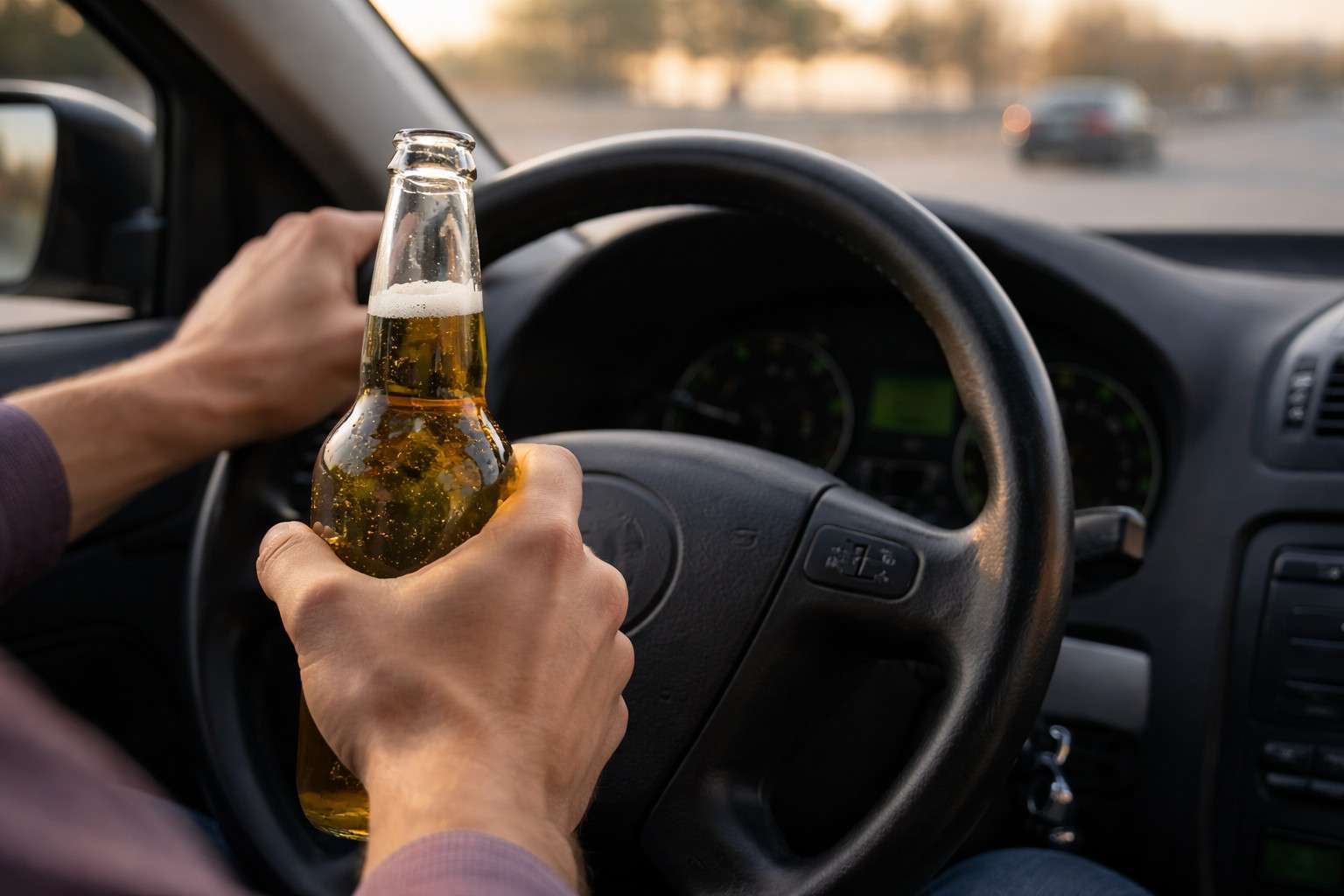
If you have been arrested for driving under the influence in Downey, California, you are facing a serious legal challenge that demands immediate action and experienced legal representation. At Tu Defensor Criminalista, we understand that a DUI arrest can be one of the most stressful experiences of your life, affecting your employment, your driving privileges, your finances, and your future opportunities. Our dedicated Downey DUI defense attorneys are committed to providing aggressive, knowledgeable representation to protect your rights and fight for the best possible outcome in your case.
Located in the heart of Los Angeles County, Downey is a vibrant community of approximately 109,368 residents[1] with a rich cultural heritage and a diverse population where 75.3% identify as Hispanic[2]. The city’s location along major thoroughfares including the I-605, I-5, and State Route 19 means that Downey residents frequently travel through high-enforcement areas where DUI checkpoints and saturation patrols are common. With Los Angeles County accounting for nearly 19% of all DUI arrests in California[3] and averaging approximately 18,000 to 22,000 DUI arrests annually[4], understanding your legal rights and having skilled representation is more important than ever.
Free Confidential Consultation: (888) 315-3326 | Available 24/7 | Hablamos Español
California law enforcement takes driving under the influence very seriously, and Downey is no exception. Whether you were stopped at a sobriety checkpoint on Lakewood Boulevard, pulled over on Firestone Boulevard for suspected impaired driving, or arrested near the Downey Landing shopping area, you need to understand the charges you are facing and the potential consequences.
DUI charges in Downey fall under California Vehicle Code Section 23152[5], which actually encompasses several different types of offenses:
Vehicle Code 23152(a) makes it illegal to drive under the influence of alcohol, regardless of your blood alcohol concentration (BAC). This means that even if your BAC is below the legal limit of 0.08%, you can still be convicted if the prosecution can prove that alcohol impaired your ability to drive safely. Law enforcement officers assess impairment through observations of your driving behavior, your physical appearance, your performance on field sobriety tests, and other indicators of intoxication.
Vehicle Code 23152(b) makes it illegal to drive with a BAC of 0.08% or higher. This is known as the “per se” law because the prosecution does not need to prove actual impairment – merely that your BAC was at or above the legal limit. This charge is based on chemical test results from breath, blood, or in some cases, urine tests.
In most DUI arrests in Downey, defendants are charged with both 23152(a) and 23152(b) simultaneously. However, even if convicted of both charges, they count as only one DUI conviction for purposes of sentencing and your driving record. According to the California Department of Motor Vehicles[6], the median BAC among convicted DUI offenders is 0.16% – exactly double the legal limit – indicating that many drivers significantly exceed the minimum threshold for intoxication.
The vast majority of DUI arrests in Downey are charged as misdemeanors. Statewide statistics show that 95.7% of all DUI arrests in California are misdemeanors[7], while only 3.9% are charged as felonies. A first, second, or third DUI offense is typically prosecuted as a misdemeanor, provided that no one was injured and certain aggravating factors are not present.
However, prosecutors may elevate your charge to a felony DUI if:
Felony DUI charges carry significantly harsher penalties, including state prison time rather than county jail, longer license suspensions, and a permanent felony record that can affect your employment, housing opportunities, professional licenses, and other aspects of your life. Understanding the distinction between misdemeanor and felony charges is crucial to mounting an effective defense strategy.
Even though a misdemeanor DUI is the less serious classification, the penalties can still be severe and life-altering. California law provides for escalating penalties with each subsequent DUI conviction within a 10-year period.
If this is your first DUI arrest and you have no prior DUI or wet reckless convictions in the past 10 years, you face the following potential penalties:
Probation conditions typically include requirements that you not drive with any measurable amount of alcohol in your system, submit to chemical testing if stopped on suspicion of DUI, maintain valid auto insurance, and violate no laws. Statewide data indicates that about 73% of DUI arrests in California result in a conviction[8], making skilled legal representation essential to improving your odds.
A second DUI conviction within 10 years of a prior DUI or wet reckless conviction carries enhanced penalties:
A third DUI conviction within 10 years results in increasingly serious consequences:
Beyond these court-imposed penalties, a DUI conviction in Downey will affect your auto insurance rates substantially. Insurance companies typically classify DUI offenders as high-risk drivers, and you may see your premiums increase by 50% to 300% or more. Some insurance carriers may refuse to cover you altogether, forcing you to obtain expensive SR-22 insurance. The total financial impact of a DUI conviction, when factoring in fines, increased insurance costs, legal fees, DUI program costs, ignition interlock device expenses, and lost wages, can easily exceed $15,000 to $20,000 for a first offense and much more for subsequent offenses.
Understanding what happens after a DUI arrest in Downey can help reduce anxiety and allow you to make informed decisions about your case. The DUI process involves two separate proceedings: the criminal court case and the DMV administrative hearing.
Most DUI arrests in Downey follow a similar pattern. A law enforcement officer – typically from the Downey Police Department, California Highway Patrol, or Los Angeles County Sheriff’s Department – stops you for a traffic violation, suspicious driving behavior, or at a sobriety checkpoint. The officer observes signs of intoxication such as the odor of alcohol, slurred speech, bloodshot eyes, or poor coordination. You may be asked to perform field sobriety tests such as walking in a straight line, standing on one leg, or following an object with your eyes.
If the officer has probable cause to believe you are driving under the influence, you will be arrested and taken to the Downey Police Department or another nearby facility for chemical testing. California’s implied consent law requires all drivers to submit to chemical testing after a lawful DUI arrest. Refusal to take a breath or blood test results in automatic enhanced penalties, including a mandatory one-year license suspension for a first refusal.
After your arrest, the officer will confiscate your driver’s license and issue you a temporary license that is valid for 30 days. You will also receive a notice of suspension from the DMV. This is a critical time period because you have only 10 days from the date of arrest to request a DMV hearing to contest the automatic license suspension.
The DMV administrative hearing is completely separate from your criminal court case. This hearing determines whether your driving privilege will be suspended based on the arrest. To protect your right to drive, you or your attorney must contact the DMV within 10 days of your arrest to request a hearing. This request stays the automatic suspension and allows you to continue driving until the hearing takes place and a decision is issued.
At the DMV hearing, the hearing officer will consider several issues:
An experienced Downey DUI attorney can represent you at this hearing, cross-examine the arresting officer, challenge the chemical test results, and present evidence in your favor. Winning a DMV hearing prevents a license suspension, which is crucial for maintaining your employment and daily responsibilities, especially in Downey where the mean travel time to work is 30.9 minutes[9], indicating that most residents depend heavily on their vehicles for commuting.
Your first court appearance is the arraignment, typically held at the Downey Branch Court of the Los Angeles Superior Court located at 7500 E. Imperial Highway. At the arraignment, you will be formally advised of the charges against you, your constitutional rights will be explained, and you will be asked to enter a plea of guilty, not guilty, or no contest.
It is almost always advisable to plead not guilty at the arraignment, even if you believe the case against you is strong. Entering a not guilty plea preserves all of your legal rights and options, and allows your attorney time to investigate the case, review the evidence, identify potential defenses, and negotiate with the prosecution.
After the arraignment, the case proceeds through several stages including pretrial conferences, motion hearings, and potentially a trial. Many DUI cases in Downey are resolved through negotiation before trial. An experienced attorney may be able to negotiate a reduction of charges to a lesser offense such as wet reckless (Vehicle Code 23103.5), dry reckless (Vehicle Code 23103), or exhibition of speed, depending on the circumstances of your case.
Every DUI case is unique, and there are numerous potential defenses that an experienced attorney can raise on your behalf. The prosecution must prove every element of the DUI charge beyond a reasonable doubt, which is the highest standard of proof in the American legal system. If your attorney can create reasonable doubt about any element of the charge, you should be found not guilty.
The Fourth Amendment to the U.S. Constitution protects you from unreasonable searches and seizures. For a traffic stop to be lawful, the officer must have reasonable suspicion that you have violated a traffic law or that criminal activity is occurring. If the officer did not have a valid reason to stop your vehicle, any evidence obtained as a result of that illegal stop may be suppressed, potentially leading to dismissal of the charges.
Common challenges to traffic stops include:
Field sobriety tests are notoriously unreliable. The standardized field sobriety tests – including the horizontal gaze nystagmus test, the walk-and-turn test, and the one-leg stand test – are supposed to be administered according to strict protocols established by the National Highway Traffic Safety Administration. However, officers frequently deviate from these protocols, conduct the tests in poor conditions, or fail to account for factors that can affect performance such as age, weight, injuries, medical conditions, nervousness, uneven surfaces, poor lighting, or adverse weather conditions.
Furthermore, field sobriety tests are voluntary – you have no legal obligation to perform them. Many people are unaware of this and perform the tests because the officer requests it, but these tests are designed to collect evidence against you and are rarely helpful to your defense.
Breath and blood tests are subject to numerous potential errors and inaccuracies. An experienced DUI attorney will scrutinize every aspect of the chemical testing process, including:
The officer must have probable cause to arrest you for DUI. Probable cause requires more than mere suspicion – it requires facts and circumstances that would lead a reasonable person to believe you were driving under the influence. If the officer lacked probable cause, the arrest was unlawful and the evidence may be suppressed.
Additional defenses that may apply in your case include:
Los Angeles County has intensified DUI enforcement efforts in recent years, and Downey has been significantly affected by this trend. Sobriety checkpoints have become increasingly common throughout the county, with law enforcement agencies conducting checkpoint operations on busy corridors in Downey and surrounding communities.
According to recent data, Los Angeles County averages approximately 100 DUI arrests every single day[10], with annual totals reaching 36,000 DUI arrests per year[11]. This aggressive enforcement includes regular DUI checkpoints, DUI saturation patrols, and heightened enforcement during holiday periods such as New Year’s Eve, Fourth of July, Labor Day, Thanksgiving, and Christmas.
DUI checkpoints in Downey are typically set up on high-traffic routes such as Lakewood Boulevard, Firestone Boulevard, Imperial Highway, or near entertainment districts where bars and restaurants are concentrated. While checkpoints are legal in California, they must be conducted according to strict constitutional guidelines. The checkpoint must be publicly announced in advance, operate according to a neutral screening process, be reasonably located, and be clearly visible to approaching motorists. If law enforcement violates these requirements, any evidence obtained at the checkpoint may be challenged in court.
The consequences of a DUI conviction are severe and long-lasting. Beyond the immediate penalties of jail time, fines, and license suspension, a DUI conviction creates a permanent criminal record that can affect you for years or even decades. Many people facing DUI charges make the mistake of thinking they should simply plead guilty and accept the punishment, especially if they believe the evidence against them is strong. This is a costly error.
From the moment you are arrested, law enforcement and prosecutors are building a case against you. Without an attorney advocating for your interests, you may unknowingly waive important rights or make statements that strengthen the prosecution’s case. An experienced DUI attorney will:
DUI defense is a highly specialized area of criminal law, and experience matters. An attorney who regularly practices in the Downey courts and is familiar with local prosecutors, judges, and court procedures has significant advantages. Local knowledge includes understanding which defenses are most effective with particular judges, which prosecutors are reasonable and willing to negotiate, and how to navigate the specific procedures of the Downey courthouse.
At Tu Defensor Criminalista, our attorneys have extensive experience defending clients throughout Los Angeles County, including the Downey community. We have handled hundreds of DUI cases and have developed relationships with local prosecutors and court personnel that can benefit our clients. We understand the unique challenges faced by Downey residents, including the area’s diverse population, language barriers that many Spanish-speaking residents face when dealing with the legal system, and the economic impacts of DUI charges on working families in the community.
A DUI charge affects every aspect of your life, and we understand the stakes. For many Downey residents, losing driving privileges means losing the ability to get to work, take children to school, attend medical appointments, and fulfill daily responsibilities. In a community where the median household income is $87,400[12] and 94.2% of residents are employed[13], maintaining employment is critical to family stability.
We work diligently to minimize the impact of DUI charges on your life by:
Downey is a unique community within Los Angeles County, and certain factors make DUI defense particularly important for local residents.
With approximately 31.9% of Downey residents born outside the United States[12] and substantial portions of the population holding green cards or temporary visas, immigration consequences are a critical concern in DUI cases. While a misdemeanor DUI is not automatically grounds for deportation, it can affect your immigration status in several ways:
Our attorneys are sensitive to immigration concerns and will work to achieve outcomes that minimize or eliminate immigration consequences. We can consult with immigration attorneys when necessary to ensure that plea agreements and case resolutions protect your immigration status to the greatest extent possible.
With 57.8% of Downey households reporting speaking Spanish[13], language barriers present significant challenges for many residents facing DUI charges. Understanding your legal rights, navigating court procedures, and communicating effectively with prosecutors and judges requires fluency in English and familiarity with legal terminology.
At Tu Defensor Criminalista, we serve Spanish-speaking clients throughout Downey and Los Angeles County. Our bilingual staff and attorneys can communicate with you in your native language, ensure you fully understand your rights and options, and provide culturally sensitive representation that respects your background and values.
Downey is a predominantly working-class community where families depend on stable employment to maintain their households. The financial burden of a DUI conviction – including fines, increased insurance costs, lost wages, and attorney fees – can be devastating for Downey families. We offer flexible payment plans and work within your budget to ensure you have access to quality legal representation regardless of your financial circumstances.
Understanding DUI statistics helps place your case in context and demonstrates why experienced legal representation is so important.
California has made progress in reducing DUI arrests over the past decade, but DUI remains a major public safety concern. According to the California Department of Motor Vehicles DUI Management Information System[6]:
Despite the decline in arrests, alcohol-related traffic fatalities remain a serious problem. In 2020, approximately 31.8% of all traffic fatalities in California were alcohol-involved[14], and alcohol-related crash fatalities actually increased by 7.6% that year.
Los Angeles County consistently accounts for the largest share of California’s DUI arrests. Recent statistics show:
These statistics underscore the aggressive enforcement environment in Los Angeles County and the importance of skilled legal representation when facing DUI charges in Downey.
A. Field sobriety tests are voluntary, and you have the right to politely decline them. Unlike chemical tests (breath or blood tests), there is no legal penalty for refusing field sobriety tests. These tests are designed to collect evidence against you and are notoriously unreliable, with performance affected by numerous factors unrelated to intoxication. Many DUI attorneys recommend politely declining field sobriety tests and requesting to speak with an attorney. However, you should always be respectful and cooperative with law enforcement.
A “wet reckless” charge is a reduced charge under Vehicle Code Section 23103.5. It is a reckless driving charge that involves alcohol but is not technically a DUI conviction. A wet reckless carries less severe penalties than a DUI, including lower fines, shorter probation, no mandatory license suspension by the court (though the DMV may still suspend your license administratively), and a shorter DUI program. However, a wet reckless still counts as a prior offense if you are arrested for DUI again within 10 years. An experienced attorney may be able to negotiate a wet reckless plea in cases where the prosecution’s evidence is weak or there are mitigating circumstances.
A DUI conviction remains on your California driving record for 10 years. For purposes of enhanced penalties for subsequent DUI offenses, a prior DUI counts against you for 10 years from the date of the prior offense. However, a DUI conviction remains on your criminal record permanently unless you successfully petition the court for expungement after completing probation. Even after expungement, the DUI remains on your driving record for 10 years, and it still counts as a prior offense for purposes of enhanced penalties if you are convicted of another DUI within that time period.
Generally, no. Completing an alcohol program is a condition of probation after a DUI conviction, not a way to avoid conviction. However, some California counties offer diversion programs for first-time DUI offenders with very low BAC levels and no aggravating factors. These programs are rare and have strict eligibility requirements. An experienced DUI attorney can advise you whether you might qualify for any alternative programs in your case.
Not necessarily. While California law provides for up to 6 months in jail for a first DUI conviction, many first-time offenders receive alternative sentencing such as community service, work furlough, house arrest, or electronic monitoring instead of actual jail time. The specific sentence depends on factors including your BAC level, whether anyone was injured, your criminal history, and the specific circumstances of your case. An experienced attorney can often negotiate alternatives to jail time, especially for first-time offenders.
After a DUI arrest, the officer will confiscate your physical license and issue you a temporary license that is valid for 30 days. You can continue driving during this 30-day period. If you or your attorney request a DMV hearing within 10 days of your arrest, you can continue driving until the hearing is held and a decision is issued, which may extend your driving privilege for several weeks or months. If you do not request a hearing, or if the hearing officer rules against you, your license will be suspended. However, you may be eligible for a restricted license that allows you to drive to and from work and your DUI program if you install an ignition interlock device or meet other requirements.
The DMV administrative hearing is a separate proceeding from your criminal court case. At the hearing, the hearing officer determines whether your driving privilege should be suspended based on the arrest. The hearing officer considers whether the officer had reasonable cause to stop you, probable cause to arrest you, and whether you were driving with a BAC of 0.08% or higher or refused chemical testing. You have the right to be represented by an attorney at this hearing, to cross-examine witnesses (usually the arresting officer), and to present evidence in your defense. If you win the DMV hearing, your license will not be suspended based on the arrest, though you may still face a court-ordered suspension if you are convicted in the criminal case.
The total cost of a DUI conviction goes far beyond the court fines. When you add up all the expenses, a first-time DUI typically costs $15,000 to $20,000 or more, including:
• Court fines and penalty assessments: $1,800 to $3,000
• DUI education program: $500 to $1,500
• Increased insurance premiums: $4,000 to $10,000 over three years
• DMV license reissue fees: $125
• Ignition interlock device: $2 to $3 per day for several months
• Attorney fees: Variable, but a worthwhile investment to potentially avoid conviction or reduce charges
• Lost wages from court appearances, jail time, and community service
• Towing and impound fees if your vehicle were towed
• Potential lost employment opportunities or job termination
These costs increase substantially for second and subsequent offenses. Investing in an experienced DUI attorney may save you thousands of dollars in the long run by achieving a better outcome in your case.
While you have the right to represent yourself, doing so is strongly discouraged. DUI law is complex and constantly evolving, with technical requirements regarding chemical testing procedures, constitutional search and seizure issues, and specific evidentiary rules. Prosecutors are experienced attorneys who handle DUI cases every day. Representing yourself puts you at a severe disadvantage. The consequences of a DUI conviction are too serious to risk self-representation. An experienced DUI attorney knows how to identify defenses you might miss, negotiate effectively with prosecutors, and protect your rights throughout the process.
Take the following steps as soon as possible after a DUI arrest:
• Contact an experienced DUI attorney immediately – time is critical, especially for the DMV hearing deadline
• Request a DMV hearing within 10 days of your arrest to stay the automatic license suspension
• Write down everything you remember about the arrest while it is fresh in your memory, including where you were stopped, what you said to the officer, how field sobriety tests were conducted, and any other relevant details
• Gather any evidence that might help your case, such as receipts showing when and where you consumed alcohol, witness contact information, photographs of the arrest location, or medical records of conditions that might affect field sobriety tests
• Do not discuss your case with anyone except your attorney – anything you say can potentially be used against you
• Follow all conditions of your release, including any bail conditions or travel restrictions
The impact of a DUI on your employment depends on your profession and the specific circumstances. You are not legally required to inform your employer about a DUI arrest or conviction unless your job specifically requires disclosure of criminal arrests or convictions, or unless your job involves driving. However, a DUI can affect employment in several ways:
• If your job requires driving, loss of your license may make it impossible to perform your duties
• If your job requires a professional license (such as doctors, nurses, lawyers, teachers, or real estate agents), you may be required to report the DUI to your licensing board, which could result in discipline
• Background checks for new employment may reveal the conviction
• Court appearances and jail time may require time off work
• Commercial drivers with a CDL face especially serious consequences, with potential disqualification from holding a commercial license
An experienced attorney can help minimize employment consequences by fighting to avoid conviction, negotiating charge reductions, seeking alternative sentencing that minimizes time away from work, and protecting your professional licenses.
Remember:
Attorney Armando Josué Cespedes is rated 5.0 on Avvo, with 34 five-star reviews from clients praising his dedication, professionalism, and results. Many note how his trial skills and attention to detail led to reduced charges or outright dismissals.



 English English
 Español de México English English Español de México
Thank you! We need your help. Would you share your experience on one of these sites?
If you have concerns you wish to address privately
